

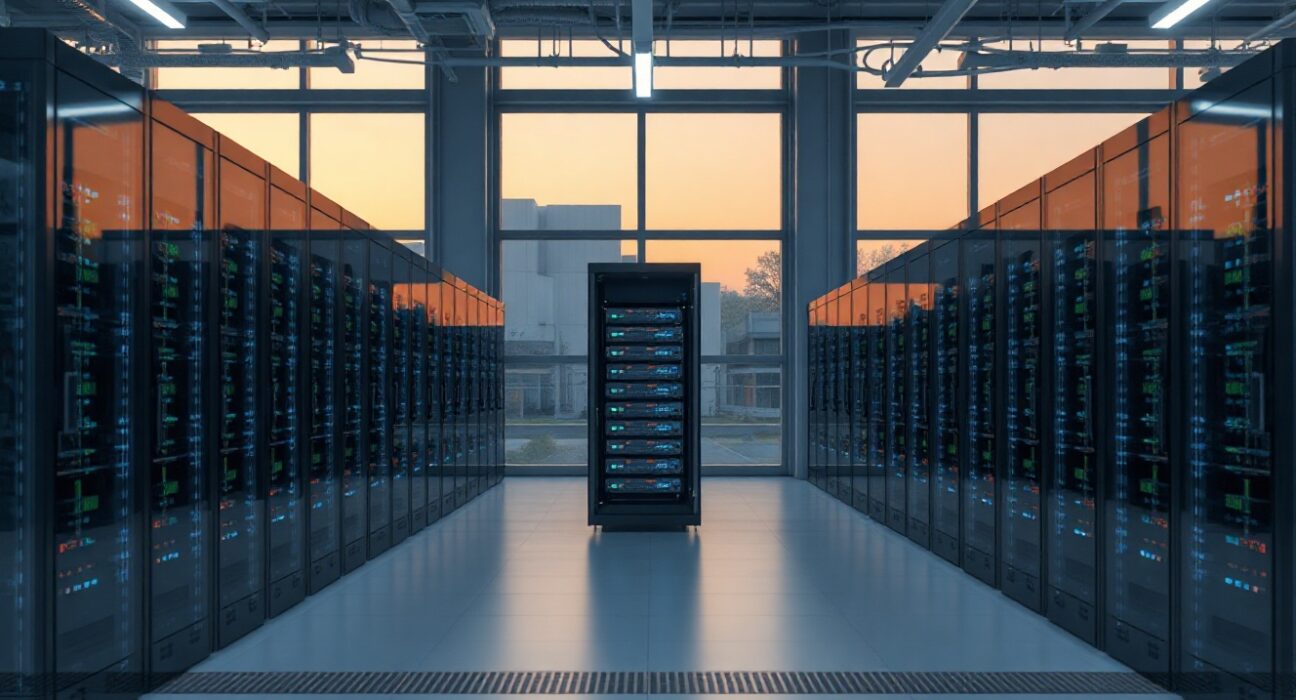
Bitcoin mining firms MARA Holdings and CleanSpark both reported sharp revenue declines and net losses in their latest quarterly earnings, underscoring the mounting profitability pressure across the crypto mining sector as network difficulty rises and digital asset prices remain volatile.
Quarterly Results at a Glance
MARA Holdings recorded second-quarter revenue of $174.9 million, down 27% from the same period last year. The company posted a net loss of $611.3 million, which it attributed largely to digital asset valuation losses. CleanSpark, meanwhile, reported fiscal third-quarter revenue of $138.0 million, a 30.5% decrease year-over-year, alongside a net loss of $239.8 million.
Both companies have been expanding their high-performance computing (HPC) and artificial intelligence (AI) infrastructure businesses, a strategic pivot aimed at diversifying revenue streams beyond traditional bitcoin mining. The Block first reported the earnings figures.
Why Mining Profitability Is Weakening
The revenue declines reflect a broader trend affecting the bitcoin mining industry. The network’s hash rate has climbed to record levels, meaning miners need more computational power to earn the same amount of bitcoin. At the same time, the bitcoin halving event in April 2024 cut block rewards from 6.25 to 3.125 BTC, halving the primary revenue source for miners overnight.
Electricity costs and hardware expenses have also risen, squeezing margins further. For companies like MARA and CleanSpark, which hold significant bitcoin inventories, mark-to-market accounting rules can amplify losses when prices fall, as seen in the digital asset valuation losses reported by both firms.
Pivot to AI and High-Performance Computing
In response to these headwinds, both miners are repositioning themselves as broader digital infrastructure providers. MARA has announced partnerships to host AI workloads, while CleanSpark has acquired additional sites with access to cheap power, aiming to attract HPC clients.
This strategic shift could provide more stable, contract-based revenue compared to the volatile bitcoin market. However, it also introduces new operational challenges, including the need for specialized talent and significant capital investment.
What This Means for the Crypto Mining Sector
The earnings reports from MARA and CleanSpark are likely indicative of the wider challenges facing bitcoin miners. Smaller, less efficient operations may struggle to survive, potentially leading to industry consolidation. For investors, the key takeaway is that mining profitability is no longer solely tied to bitcoin prices—it increasingly depends on operational efficiency, energy costs, and the ability to diversify into adjacent technology sectors.
Regulatory scrutiny is also rising, with lawmakers in the U.S. and Europe examining the environmental impact of mining and the financial risks posed by crypto assets. Companies that can demonstrate stable revenue streams and responsible energy use may be better positioned to navigate these pressures.
Conclusion
MARA Holdings and CleanSpark’s latest quarterly results highlight the ongoing transformation of the bitcoin mining industry. While both companies face significant financial headwinds, their investments in AI and HPC infrastructure signal a strategic shift toward more diversified, resilient business models. The coming quarters will reveal whether these pivots can offset the structural decline in mining profitability.
FAQs
Q1: Why did MARA Holdings and CleanSpark report such large net losses?
The losses were primarily driven by digital asset valuation write-downs, as both companies hold substantial bitcoin reserves. When bitcoin prices decline, accounting rules require them to record impairment charges, which can lead to large paper losses even if they haven’t sold any coins.
Q2: What is the impact of the bitcoin halving on mining companies?
The halving reduces the block reward miners receive for validating transactions by 50%. This directly cuts revenue, forcing miners to either increase efficiency, lower costs, or find alternative revenue streams to remain profitable.
Q3: How are bitcoin miners diversifying into AI?
Miners are repurposing their data centers and power infrastructure to host AI and high-performance computing workloads. They can offer low-cost energy and existing cooling systems, which are attractive to AI companies needing massive computational resources.
Disclaimer: The information provided is not trading advice, Bitcoinworld.co.in holds no liability for any investments made based on the information provided on this page. We strongly recommend independent research and/or consultation with a qualified professional before making any investment decisions.
