

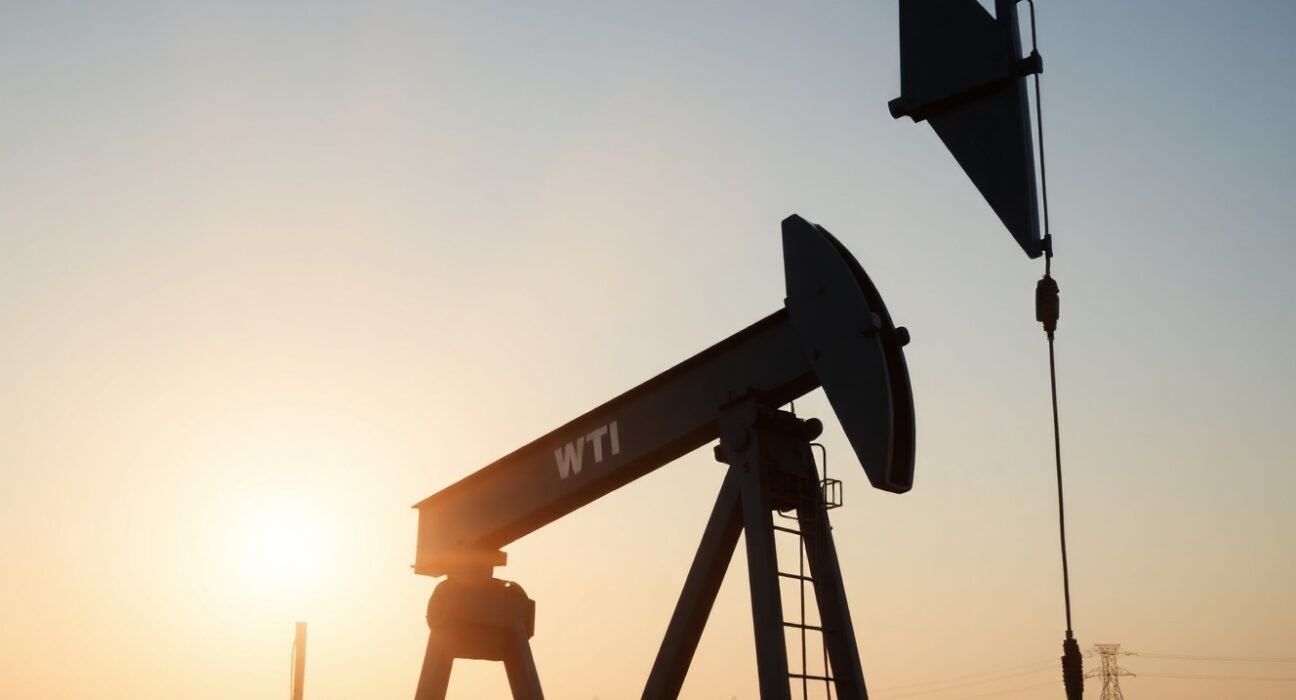
West Texas Intermediate (WTI) crude oil retreated below $76.00 per barrel on [Day, Date], as diplomatic discussions aimed at reopening the strategic Strait of Hormuz gathered momentum, easing immediate supply disruption fears among traders.
Market Drivers: Geopolitical Talks vs. Supply Concerns
The pullback in WTI prices comes after a period of heightened volatility driven by geopolitical tensions in the Middle East. The Strait of Hormuz, a critical chokepoint through which roughly 20% of global oil consumption passes, has been at the center of supply disruption worries. However, ongoing talks between regional and international stakeholders have raised hopes of a diplomatic resolution, prompting some traders to price out a near-term supply outage.
As of [current date], WTI futures were trading at $75.82, down from an intraday high of $76.40. The decline reflects a broader market recalibration, with investors weighing the potential for increased supply against persistent demand concerns.
What the Reopening of Hormuz Means for Oil Markets
The reopening of the Strait of Hormuz would restore a vital artery for crude exports from major producers like Saudi Arabia, Iraq, and the UAE. A successful resolution would likely lead to a more stable supply outlook, potentially capping price gains and providing relief to import-dependent economies.
Analysts note that even the prospect of reopening has a psychological impact on the market. “The market is sensitive to headlines from the talks,” said [Expert Name], an energy analyst at [Firm]. “Any sign of progress tends to trigger profit-taking and short-term bearish pressure on prices.”
Implications for Global Energy Prices
For consumers and businesses, a sustained decline in oil prices could translate into lower fuel costs and reduced inflationary pressures. However, the situation remains fluid, and a breakdown in negotiations could quickly reverse the current trend.
The broader context includes ongoing production cuts by OPEC+ and fluctuating demand from major economies like China and the United States. These factors are likely to keep oil prices range-bound in the near term, with geopolitical developments acting as a key swing factor.
Conclusion
WTI oil’s dip below $76.00 underscores the market’s sensitivity to diplomatic progress in the Middle East. While the reopening of the Strait of Hormuz would ease supply fears, the outcome of the talks remains uncertain. Traders and consumers alike should monitor these developments closely, as any setback could reignite upward pressure on prices.
FAQs
Q1: Why is the Strait of Hormuz important for oil prices?
The Strait of Hormuz is a narrow waterway between Oman and Iran, through which about 20% of global oil consumption passes. Any threat to its closure can cause supply disruption fears, leading to price spikes.
Q2: How do talks to reopen Hormuz affect WTI prices?
Progress in diplomatic talks reduces the perceived risk of supply disruptions, leading traders to lower risk premiums, which often results in a decline in oil prices.
Q3: What other factors are influencing WTI oil prices?
Key factors include OPEC+ production decisions, global demand outlook (especially from China and the U.S.), inventory data, and broader geopolitical stability.
Disclaimer: The information provided is not trading advice, Bitcoinworld.co.in holds no liability for any investments made based on the information provided on this page. We strongly recommend independent research and/or consultation with a qualified professional before making any investment decisions.
