

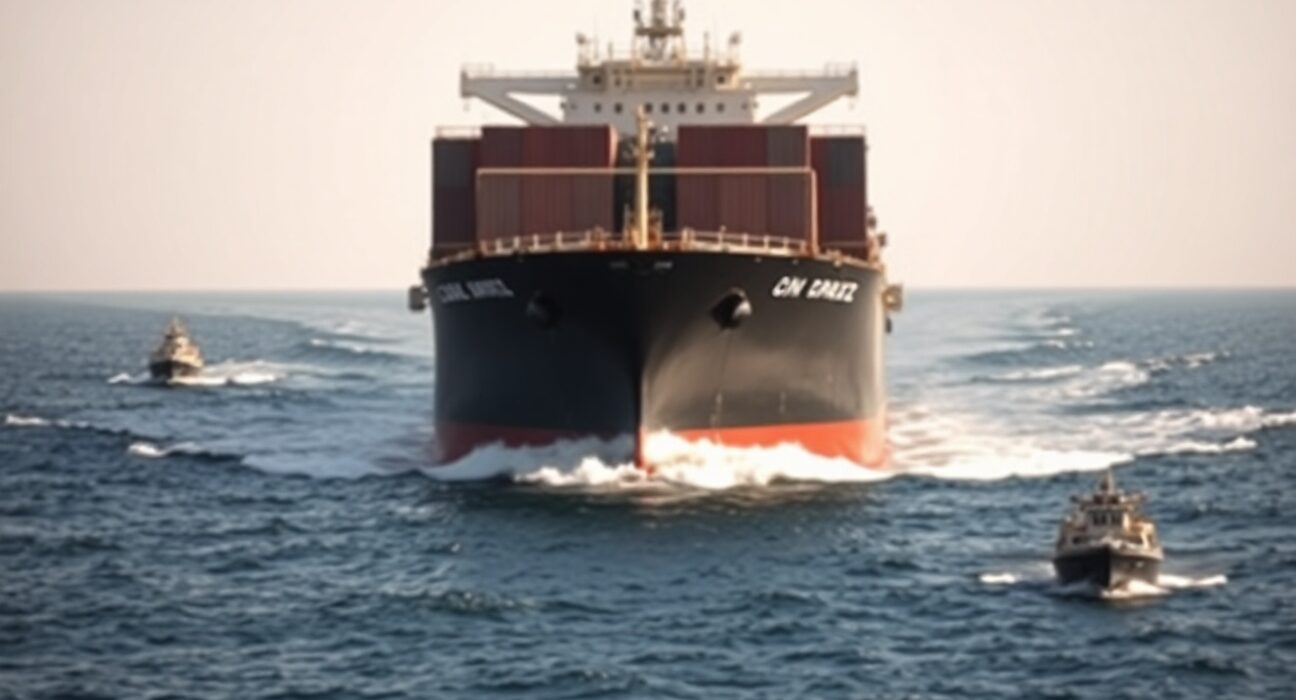
Oil markets are facing renewed supply risks in the Strait of Hormuz, with ING analysts pointing to cautious investor positioning as geopolitical tensions persist in the region.
Strait of Hormuz: A Critical Chokepoint
The Strait of Hormuz, a narrow waterway between Oman and Iran, is a vital passage for global oil shipments. Approximately 20% of the world’s petroleum consumption passes through this strait daily, making it a key focus for energy markets. Any disruption—whether from military conflict, sabotage, or political maneuvering—can have immediate effects on oil prices and supply chains.
ING’s Analysis: Cautious Positioning
According to a recent note from ING, the market is adopting a cautious stance due to the elevated risk of supply disruptions. The analysts highlight that while the immediate risk of a full closure remains low, the possibility of targeted attacks or increased naval tensions could lead to temporary shipping delays or rerouting costs. This uncertainty is prompting traders to hold more conservative positions, balancing potential upside risks against downside demand concerns.
Market Implications
For consumers and businesses, the key takeaway is that oil prices may remain volatile as long as geopolitical tensions persist. A disruption in the Strait could lead to sharp price spikes, while any de-escalation could quickly reverse gains. Investors are advised to monitor diplomatic developments and naval activity in the region, as these are the primary drivers of risk premiums in the oil market.
Conclusion
While the Strait of Hormuz remains a flashpoint for oil supply risk, ING’s analysis suggests that cautious positioning reflects a market that is wary but not panicked. The balance between geopolitical risk and global demand will likely keep prices range-bound in the near term, with any significant escalation posing the greatest threat to stability.
FAQs
Q1: What is the Strait of Hormuz and why does it matter for oil?
The Strait of Hormuz is a narrow waterway between Oman and Iran, through which about 20% of global oil consumption passes. It is a critical chokepoint for crude and LNG shipments, making it a strategic location for energy markets.
Q2: How does geopolitical risk affect oil prices?
Geopolitical risk can add a risk premium to oil prices, as traders anticipate potential supply disruptions. The threat of conflict or attacks in key shipping lanes like the Strait of Hormuz can lead to volatility and higher prices.
Q3: What does ING’s cautious positioning mean for investors?
ING’s cautious positioning suggests that the market is uncertain about the direction of oil prices. Investors may want to hedge against volatility and stay informed about geopolitical developments to manage risk effectively.
Disclaimer: The information provided is not trading advice, Bitcoinworld.co.in holds no liability for any investments made based on the information provided on this page. We strongly recommend independent research and/or consultation with a qualified professional before making any investment decisions.
