

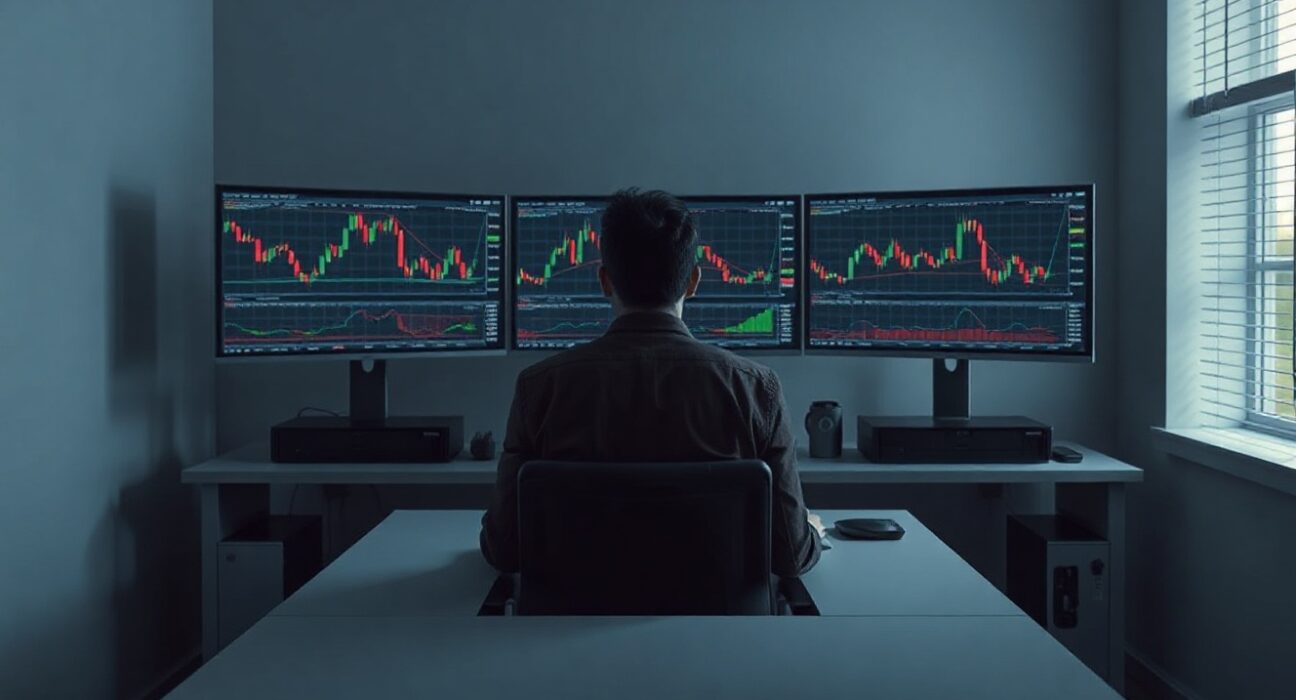
Attempting to predict short-term price movements in the cryptocurrency market without professional-grade tools or a disciplined strategy is a common pitfall that often leads to significant losses. As of 2025, retail traders face an increasingly complex environment shaped by institutional participation, algorithmic trading, and global macroeconomic factors, making solo market timing more challenging than ever.
The Illusion of Control in a Volatile Market
Many traders believe they can outsmart the market by reading charts and following news. However, the cryptocurrency market is influenced by a wide array of factors, including regulatory announcements, technological upgrades, and shifts in investor sentiment. Without access to real-time data feeds, advanced analytics, and risk management protocols, individual traders are at a distinct disadvantage. The reality is that even seasoned professionals rely on sophisticated systems to filter noise and identify meaningful patterns—tools that are not available to the average retail investor.
Why Emotional Decision-Making Undermines Success
Emotional responses to price swings are a leading cause of poor trading outcomes. Fear of missing out (FOMO) often drives traders to buy at peaks, while panic selling during dips locks in losses. A structured approach, guided by predefined entry and exit points, helps mitigate these psychological pitfalls. Without a clear plan, traders are more likely to make impulsive decisions that deviate from rational analysis. This is why many financial advisors recommend using automated tools or following a well-researched strategy rather than relying on gut feeling.
The Role of Professional Tools and Data
Institutional traders have long used algorithmic models, sentiment analysis, and risk management software to gain an edge. For individual traders, accessing similar resources—such as crypto analytics platforms, portfolio trackers, and market sentiment indices—can level the playing field. These tools provide objective data that helps remove emotion from the equation. Moreover, they offer insights into market depth, order flow, and historical volatility, which are crucial for making informed decisions. By leveraging such resources, traders can focus on strategy rather than constant chart-watching.
Practical Steps to Improve Your Trading Approach
Instead of trying to figure out the market on your own, consider adopting a more structured methodology. Start by defining your risk tolerance and investment goals. Then, use reputable sources for market analysis and consider paper trading to test strategies without financial risk. Diversifying your portfolio across different assets can also reduce exposure to any single coin’s volatility. Finally, stay informed about regulatory changes and technological developments, as these can have outsized impacts on prices. This approach not only improves decision-making but also builds long-term resilience.
Conclusion
Successfully navigating the cryptocurrency market requires more than just intuition; it demands access to reliable data, a clear strategy, and emotional discipline. While the allure of quick profits can be tempting, the evidence suggests that most retail traders who attempt to time the market alone underperform. By leveraging professional tools and adopting a structured approach, you can enhance your chances of making sound investment decisions and avoid the costly mistakes that come from going it alone.
FAQs
Q1: Why is it difficult to time the crypto market on your own?
Timing the crypto market is difficult because it is influenced by a complex mix of global events, market sentiment, and technological changes. Retail traders often lack access to real-time data and advanced analytics, making it hard to predict short-term movements accurately.
Q2: What tools can help me make better trading decisions?
There are several tools available, including crypto analytics platforms (e.g., CoinMarketCap, TradingView), portfolio trackers, and sentiment analysis tools. These provide objective data on market trends, volume, and social sentiment, helping you make informed decisions rather than relying on emotion.
Q3: How can I avoid emotional trading mistakes?
To avoid emotional mistakes, set clear entry and exit points before entering a trade, use stop-loss orders, and stick to a well-defined strategy. Paper trading can also help you practice without risking real money, building discipline over time.
Disclaimer: The information provided is not trading advice, Bitcoinworld.co.in holds no liability for any investments made based on the information provided on this page. We strongly recommend independent research and/or consultation with a qualified professional before making any investment decisions.
