

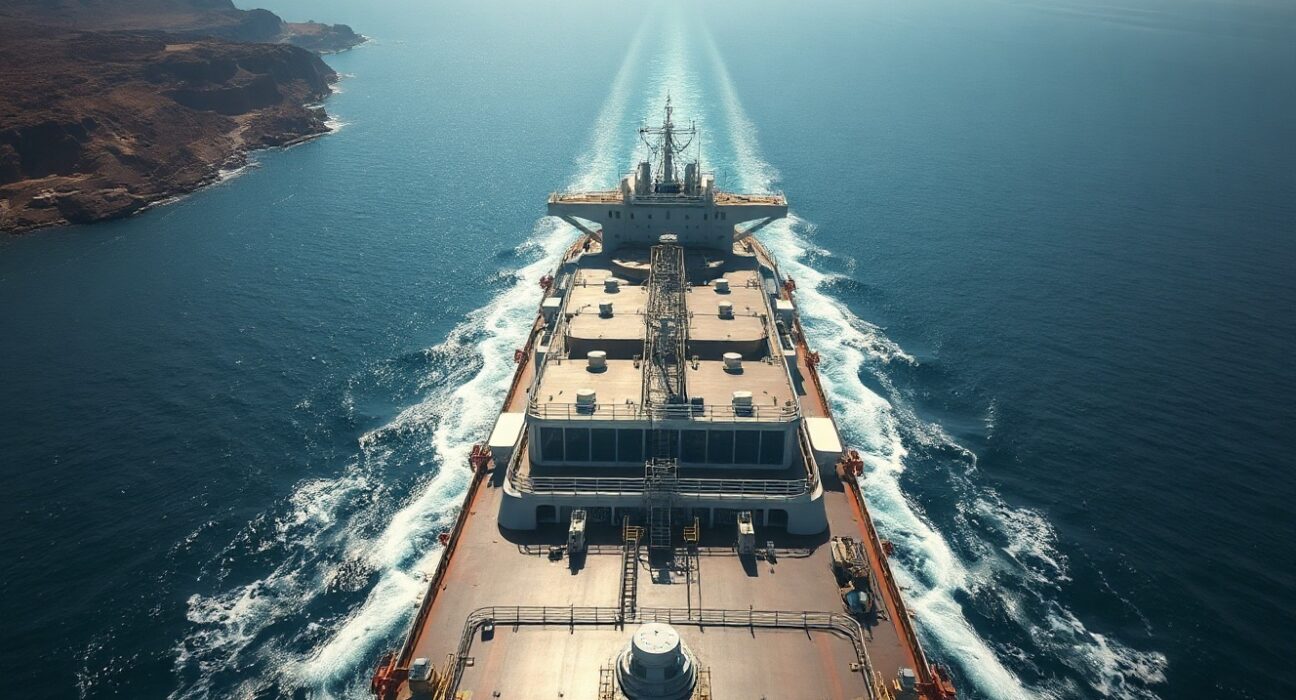
Commerzbank analysts note that oil prices are once again reflecting a risk premium tied to the Strait of Hormuz, as geopolitical tensions in the region heighten supply concerns.
Geopolitical Tensions Rekindle Supply Fears
The Strait of Hormuz, a narrow waterway between Oman and Iran, is a critical chokepoint for global oil shipments. Approximately 20% of the world’s oil consumption passes through it daily, making any disruption a significant risk to supply. Commerzbank’s latest commentary highlights that the market is pricing in a higher probability of supply disruptions, driven by recent escalations in the Middle East.
While the bank does not specify a target price, its assessment suggests that the risk premium could persist as long as geopolitical uncertainties remain. This is not a new phenomenon; similar premiums have emerged during past conflicts, such as the Iran-Iraq War in the 1980s and the 2019 attacks on Saudi Aramco facilities, which temporarily knocked out 5% of global supply.
Market Implications and Investor Considerations
For investors, the renewed risk premium means that oil prices may be more volatile than fundamentals alone would suggest. Traders are likely to monitor headlines from the region closely, as any incident could trigger sharp price swings. Conversely, a de-escalation could lead to a rapid unwinding of the premium, as seen in previous episodes.
Commerzbank’s analysis serves as a reminder that geopolitical risk is a key driver of oil prices, alongside supply-demand dynamics and OPEC+ decisions. The bank’s view aligns with broader market sentiment that the Strait of Hormuz remains the single most important chokepoint for global energy security.
Why This Matters for Global Energy Markets
The Strait of Hormuz’s strategic importance cannot be overstated. A prolonged disruption would not only affect oil prices but also have ripple effects on natural gas (LNG) and global shipping costs. For consumers, higher oil prices could translate into increased fuel and transportation costs, potentially feeding into inflation. For producers, the risk premium offers an opportunity for higher revenues, but it also underscores the fragility of supply chains.
Understanding these dynamics is crucial for anyone with exposure to energy markets, from commodity traders to policymakers. The current situation is fluid, and while the risk premium is a reflection of market sentiment, it is not a certainty of disruption.
Conclusion
Commerzbank’s observation that oil prices carry a Strait of Hormuz risk premium is a timely reminder of the geopolitical factors shaping energy markets. As tensions persist, the premium may remain a feature of oil pricing, but its duration and magnitude will depend on diplomatic and military developments in the region. For now, market participants should brace for potential volatility.
FAQs
Q1: What is the Strait of Hormuz and why is it important for oil?
The Strait of Hormuz is a narrow waterway between Oman and Iran, through which about 20% of global oil consumption passes. It is a critical chokepoint for oil tankers, making it a key vulnerability for global supply.
Q2: How does a risk premium affect oil prices?
A risk premium is an additional amount added to the price of oil to account for the risk of supply disruptions. It can drive prices higher than they would be based on supply-demand fundamentals alone.
Q3: What could cause the risk premium to disappear?
The premium would likely fade if geopolitical tensions de-escalate, such as through diplomatic agreements or a reduction in military activities. Any clear sign of reduced risk could prompt traders to unwind the premium quickly.
Disclaimer: The information provided is not trading advice, Bitcoinworld.co.in holds no liability for any investments made based on the information provided on this page. We strongly recommend independent research and/or consultation with a qualified professional before making any investment decisions.
