

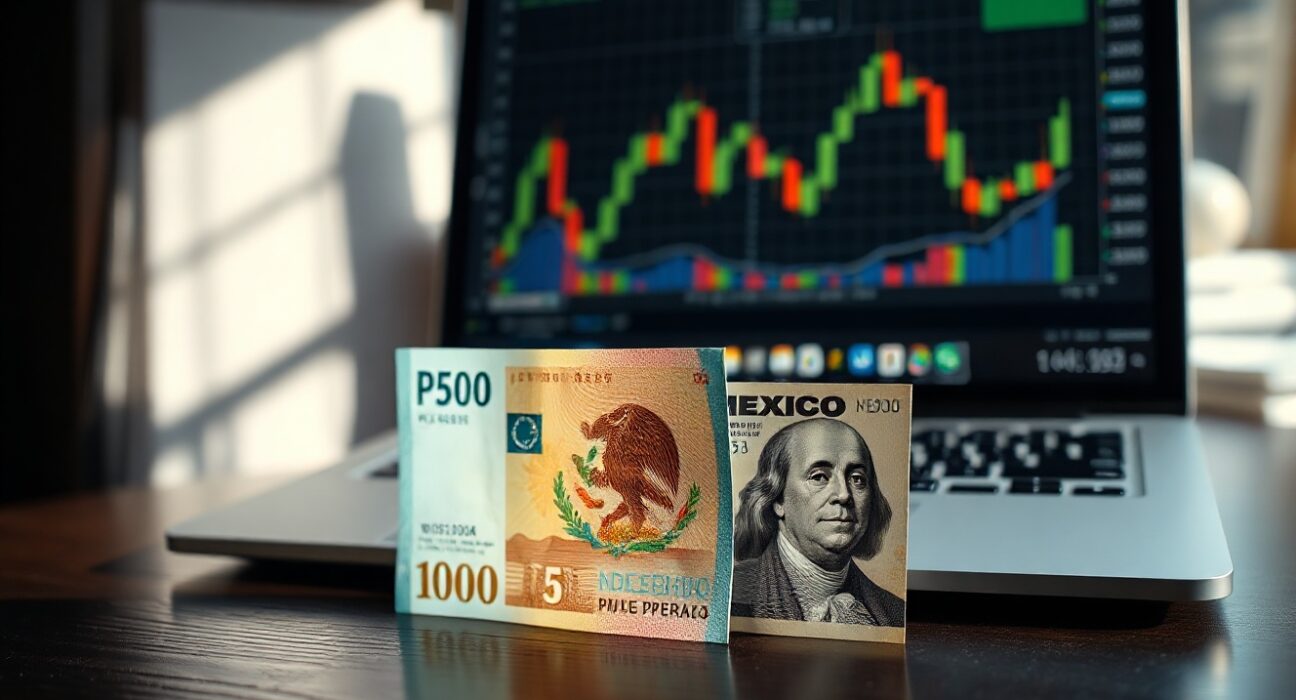
The Mexican peso strengthened to a two-year high against the US dollar on Tuesday, as a softer-than-expected US consumer inflation report dampened expectations for further Federal Reserve interest rate hikes. The USD/MXN pair fell to approximately 16.70, its lowest level since 2021, according to market data.
What Drove the Peso’s Rally?
The catalyst for the peso’s surge was the release of the latest US Consumer Price Index (CPI) data, which showed a smaller-than-anticipated increase in prices. This has led traders to scale back bets on the Fed’s next move, with many now pricing in a pause in the central bank’s tightening cycle. A less hawkish Fed typically weakens the dollar, as lower interest rates reduce the appeal of dollar-denominated assets.
Additionally, Mexico’s own economic fundamentals have been supportive. The Bank of Mexico has maintained a relatively high benchmark interest rate, which attracts foreign capital seeking higher yields. The country’s robust export sector, particularly in manufacturing and remittances, has also provided a solid backdrop for the currency.
Market Implications and Trader Sentiment
The peso’s appreciation has significant implications for traders and businesses. A stronger peso reduces the cost of imports for Mexican companies but can weigh on exporters by making their goods more expensive abroad. For international investors, the move signals growing confidence in Mexico’s economic stability, but it also raises concerns about potential intervention by the central bank to curb excessive strength.
According to analysts, the currency’s momentum could continue if US inflation continues to cool and the Fed signals a definitive end to rate hikes. However, some caution that geopolitical risks and domestic political developments could trigger reversals. The market is now closely watching upcoming economic data from both countries for further direction.
Why This Matters for Your Portfolio
For forex traders, the USD/MXN pair offers a compelling opportunity, but it’s essential to stay informed about central bank policies and macroeconomic indicators. The peso’s strength also affects cross-border trade and investment decisions, making this a key development for businesses with exposure to Mexico. Understanding these dynamics can help you make more informed decisions in a volatile market.
Conclusion
The Mexican peso’s rally to a two-year high reflects a confluence of favorable factors: softer US inflation, reduced Fed hike expectations, and solid domestic fundamentals. While the outlook remains positive, traders should remain vigilant for potential volatility triggers. As always, staying updated on economic releases and central bank communications is crucial.
FAQs
Q1: Why did the Mexican peso strengthen?
The peso strengthened after US CPI data came in softer than expected, leading traders to reduce bets on Federal Reserve rate hikes, which weakened the dollar.
Q2: What does a stronger peso mean for the Mexican economy?
A stronger peso lowers import costs and can help control inflation, but it may hurt export competitiveness. It also attracts foreign investment due to higher yields.
Q3: Could the peso continue to rally?
If US inflation remains subdued and the Fed signals a pause in hikes, the peso could extend gains. However, unexpected economic data or geopolitical events could reverse the trend.
Disclaimer: The information provided is not trading advice, Bitcoinworld.co.in holds no liability for any investments made based on the information provided on this page. We strongly recommend independent research and/or consultation with a qualified professional before making any investment decisions.
