

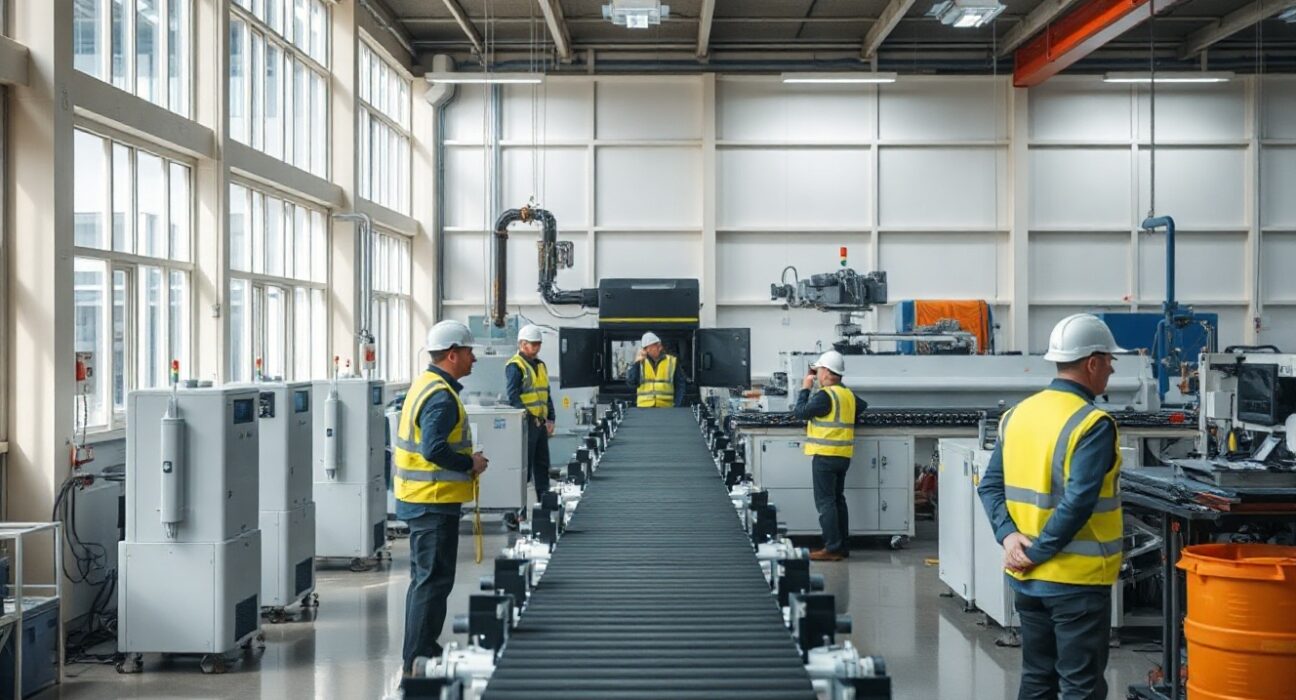
UK manufacturing production contracted by 0.5% month-on-month in June, according to official data released today, falling short of the 0.2% decline economists had forecast. The drop marks a setback for the sector after a modest recovery in the previous month, raising fresh questions about the resilience of Britain’s industrial base amid elevated borrowing costs and subdued global demand.
What drove the decline in June?
The monthly fall was broad-based, with significant decreases in the manufacture of transport equipment, machinery, and electrical goods. The Office for National Statistics (ONS) noted that the decline was partly a correction after a stronger-than-expected May, when output rose by 0.4%. However, the underlying trend remains weak, with manufacturing output still below its pre-pandemic peak.
Analysts point to persistent headwinds: high energy costs, labor shortages, and weakening export orders from key trading partners. The Bank of England’s prolonged period of restrictive monetary policy has also weighed on investment and consumer demand for big-ticket items, which are often manufactured domestically.
Broader industrial picture
Manufacturing accounts for around 9.5% of UK gross domestic product, and its performance is closely watched as a bellwether for the wider economy. The June data follows a mixed second quarter: while services have shown resilience, the industrial sector has struggled to gain momentum. The total index of production, which includes mining, energy, and water supply, also fell by 0.6% in June, reflecting lower oil and gas extraction.
Year-on-year, manufacturing output was 0.7% lower than in June 2023, highlighting the sector’s struggle to return to sustained growth. The ONS data aligns with recent purchasing managers’ surveys that have consistently shown contraction in the manufacturing sector throughout the second quarter.
What this means for the economy
The weaker manufacturing figures may reinforce expectations that the Bank of England will proceed cautiously with further interest rate cuts. While the services sector has helped the economy avoid a recession, the industrial slump poses a risk to overall growth in the second half of the year. Policymakers will also be monitoring whether the decline is temporary or signals a more prolonged downturn, particularly as the new government has pledged to boost industrial strategy and ‘make in Britain’ a priority.
Conclusion
June’s manufacturing production data underscores the challenges facing the UK’s industrial sector. The 0.5% monthly contraction, worse than forecast, points to ongoing structural issues and a fragile recovery. As the Bank of England weighs its next policy move and the government sets out its economic agenda, the sector’s performance will remain a key indicator of the nation’s economic health.
FAQs
Q1: What does ‘month-on-month’ mean in this context?
It compares the level of production in June with the level in May, showing the short-term change. A negative figure means output decreased from the previous month.
Q2: Why is manufacturing production important for the UK economy?
Manufacturing contributes nearly 10% of GDP, supports high-skilled jobs, and drives exports. Its performance influences productivity, investment, and regional economic health.
Q3: Could this decline lead to a recession?
While a single month’s data does not indicate a recession, persistent contraction in manufacturing, combined with weak services growth, could raise the risk. Economists will watch upcoming quarterly GDP figures for a clearer trend.
Disclaimer: The information provided is not trading advice, Bitcoinworld.co.in holds no liability for any investments made based on the information provided on this page. We strongly recommend independent research and/or consultation with a qualified professional before making any investment decisions.
