

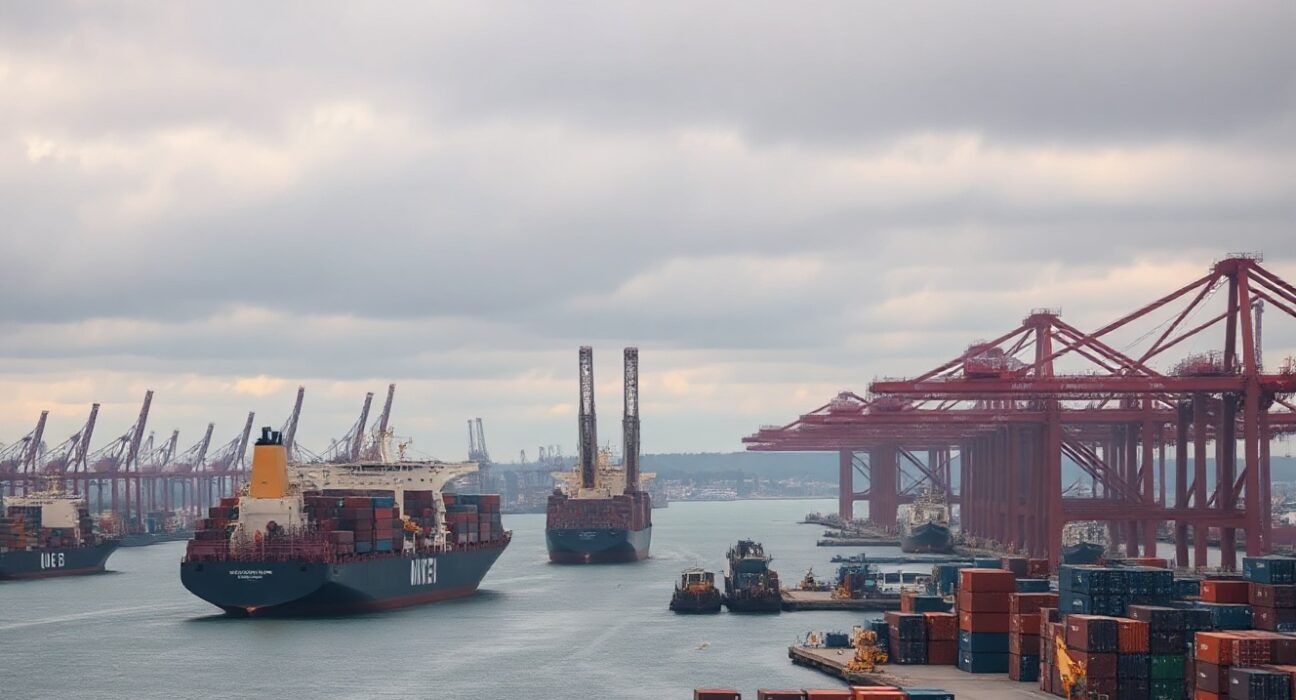
The United Kingdom’s trade balance with non-EU countries fell to a deficit of £-10.448 billion in June, widening from a revised £-7.14 billion in the previous month, according to the latest official data. The deterioration reflects a sharp increase in imports from outside the European Union, while export growth remained subdued, signaling evolving trade dynamics as the UK adjusts to post-Brexit arrangements and global supply chain shifts.
What the latest figures show
The June trade data, released by the Office for National Statistics (ONS), reveals a significant widening of the non-EU trade gap. Imports from non-EU partners rose notably, while exports saw only modest gains, leading to a larger deficit. This marks the second consecutive month of a widening deficit, following a period of relative stability earlier in the year.
Analysts point to several factors, including increased consumer demand for goods from Asia and North America, as well as higher energy prices that have inflated the value of imports. The data also reflects ongoing adjustments in trade patterns as businesses diversify supply chains away from the EU.
Why the non-EU trade balance matters
The non-EU trade balance is a key indicator of the UK’s economic health and its global competitiveness. A widening deficit can signal that domestic demand is outpacing export capacity, potentially weighing on GDP growth. It also influences currency markets and investor sentiment, as persistent deficits may raise concerns about the sustainability of the UK’s external position.
For businesses, the figures provide insight into trade conditions outside the EU, helping them assess opportunities in fast-growing markets such as the US, China, and the Middle East. For consumers, the deficit can indirectly affect prices, as increased imports often reflect cheaper goods, but may also contribute to inflationary pressures if driven by higher costs.
Broader trade context and outlook
The UK’s overall trade balance, including both EU and non-EU partners, has been under pressure due to global economic headwinds, including elevated inflation and slower growth in key export markets. The non-EU deficit is particularly sensitive to commodity prices, especially energy, and to the strength of the pound, which affects the cost of imports.
Looking ahead, economists expect the trade deficit to remain volatile, influenced by global supply chain adjustments and the pace of economic recovery in major trading partners. Government initiatives aimed at boosting exports, such as trade agreements with non-EU countries, may help narrow the gap over the medium term, but immediate improvements are unlikely.
Conclusion
The widening of the UK’s non-EU trade deficit to £-10.448 billion in June highlights ongoing challenges in rebalancing the country’s external trade. While imports surged, export growth lagged, reflecting both domestic demand and global market conditions. Policymakers and businesses will need to monitor these trends closely as they navigate an uncertain economic environment.
FAQs
Q1: What is the UK non-EU trade balance?
The UK non-EU trade balance measures the difference between the value of goods and services exported to countries outside the European Union and the value of imports from those countries. A negative balance indicates a trade deficit.
Q2: Why did the non-EU trade deficit widen in June?
The deficit widened primarily due to a significant increase in imports from non-EU countries, while exports grew at a slower pace. Factors include higher demand for foreign goods, energy prices, and ongoing supply chain adjustments.
Q3: How does the trade deficit affect the UK economy?
A widening trade deficit can weigh on GDP growth, as imports subtract from net trade. It can also influence currency value and investor confidence, though the impact varies depending on underlying causes.
Disclaimer: The information provided is not trading advice, Bitcoinworld.co.in holds no liability for any investments made based on the information provided on this page. We strongly recommend independent research and/or consultation with a qualified professional before making any investment decisions.
