

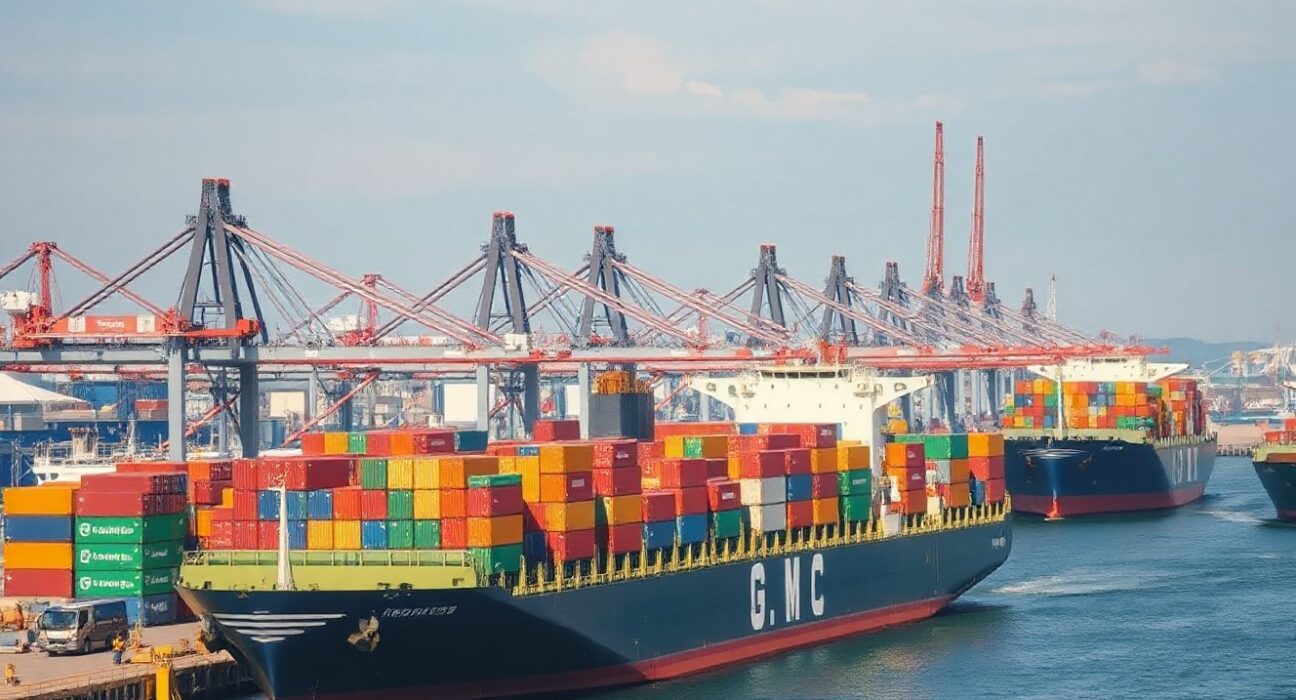
South Korea’s export price index rose 49.1% year-on-year in July, up from a revised 48.9% in June, according to data released by the Bank of Korea. This marks the 13th consecutive month of double-digit growth, driven by robust global demand for semiconductors, petroleum products, and steel.
What’s Driving the Export Price Surge?
The continued rise in export prices reflects both higher global commodity costs and strong demand for Korean manufactured goods. Semiconductors, which account for a significant share of South Korea’s exports, saw prices climb sharply as the global chip shortage persists. Petroleum products also benefited from elevated crude oil prices, while steel exports were buoyed by infrastructure spending in key markets.
In month-on-month terms, export prices increased 0.4% in July, a slight deceleration from June’s 0.8% gain, suggesting that price pressures may be moderating. Import prices also rose, up 38.5% year-on-year, though they declined 0.1% from the previous month, indicating some easing in global input costs.
Implications for the South Korean Economy
The strong export price growth is a double-edged sword. On one hand, it boosts the value of South Korea’s shipments, supporting trade balances and corporate revenues. On the other, it feeds into domestic inflation, as higher export prices often translate into higher costs for consumers and businesses.
The Bank of Korea has been closely monitoring these trends as it considers its monetary policy stance. The central bank has already raised interest rates several times over the past year to combat inflation, and further hikes remain possible if price pressures persist.
What This Means for Global Trade
South Korea’s export data is often seen as a bellwether for global trade, given its position as a major exporter of technology and industrial goods. The continued strength in export prices suggests that global demand remains resilient, despite concerns about an economic slowdown in major economies like the United States and China.
However, the pace of growth may be peaking. The slight month-on-month slowdown, coupled with easing import prices, could signal that the current cycle of price increases is nearing its end. If global demand cools, export price growth could moderate in the coming months.
Conclusion
South Korea’s export price growth remains strong in July, reflecting robust global demand and high commodity prices. While this supports the economy’s trade performance, it also adds to inflationary pressures that policymakers must manage. The coming months will be critical in determining whether this trend continues or begins to ease.
FAQs
Q1: What is the export price index?
The export price index measures the average change in prices of goods exported from South Korea. It is compiled by the Bank of Korea and is a key indicator of trade performance and inflationary pressures.
Q2: Why did export prices rise so sharply in July?
The rise was driven by higher global commodity prices, particularly for semiconductors, petroleum products, and steel, as well as strong demand from key trading partners.
Q3: How does export price growth affect consumers?
Higher export prices can lead to higher domestic prices for imported goods and raw materials, contributing to overall inflation. This may prompt the central bank to raise interest rates, affecting borrowing costs for consumers and businesses.
Disclaimer: The information provided is not trading advice, Bitcoinworld.co.in holds no liability for any investments made based on the information provided on this page. We strongly recommend independent research and/or consultation with a qualified professional before making any investment decisions.
