

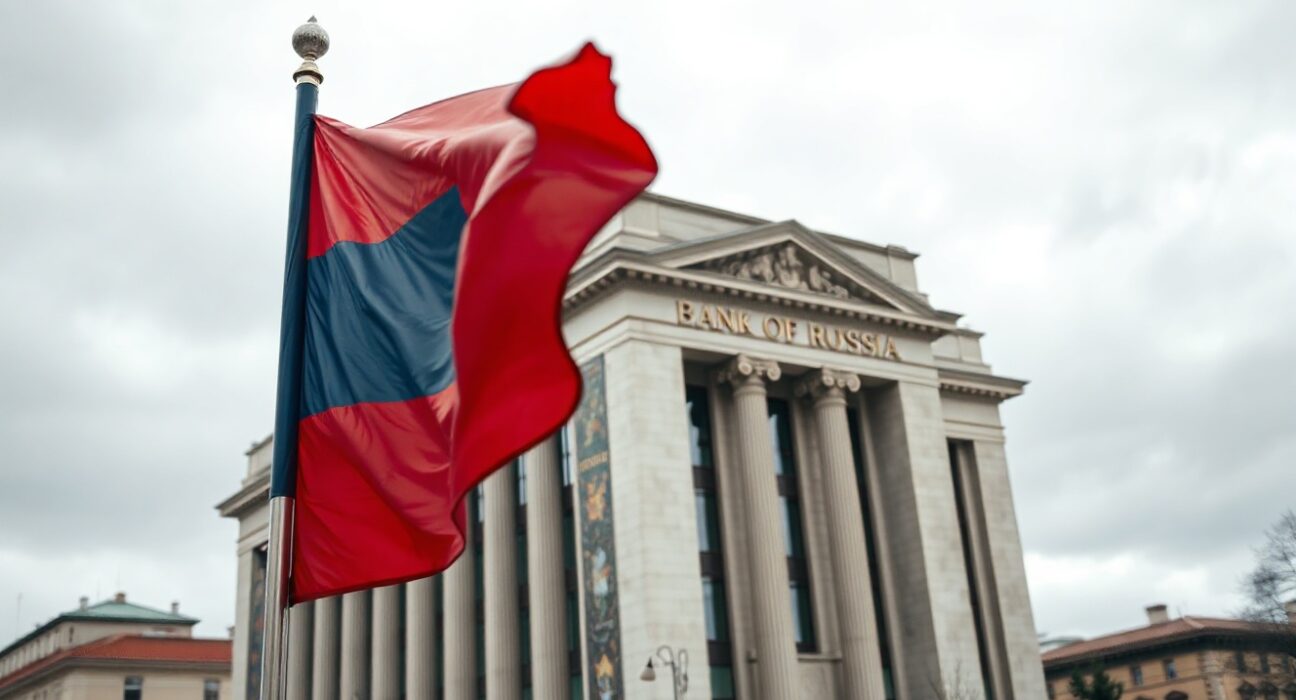
Russia’s central bank reserves increased to $740 billion as of the latest reporting period, up from $720.3 billion previously, according to official data. The rise underscores the country’s continued ability to accumulate foreign exchange and gold reserves despite ongoing international sanctions.
What Drives the Increase in Reserves?
The growth in reserves reflects a combination of factors, including higher gold prices, export revenues, and currency revaluation effects. Russia has consistently diversified its reserves, increasing gold holdings and reducing exposure to US dollar assets, a strategy aimed at mitigating sanctions risk.
Analysts note that the increase is also supported by a recovery in energy exports and a relatively stable fiscal position. The central bank’s proactive management of capital flows has helped maintain a buffer against external shocks.
Implications for the Russian Economy and the Ruble
Higher reserves typically strengthen a country’s ability to defend its currency and meet external obligations. For Russia, this buffer is crucial given the ongoing financial restrictions imposed by Western nations.
The ruble has shown resilience in recent months, supported by capital controls and a trade surplus. However, the effectiveness of reserves in shielding the economy is limited by the fact that a significant portion of these assets is frozen abroad due to sanctions.
What This Means for Global Markets
The increase in Russia’s reserves may have limited direct impact on global markets, but it signals that the Russian economy is adapting to sanctions. Investors and policymakers watch these figures closely as an indicator of economic stability and geopolitical risk.
Conclusion
Russia’s central bank reserves reaching $740 billion marks a notable increase from the previous $720.3 billion, reflecting the country’s ongoing efforts to build economic resilience. While sanctions continue to pose challenges, the reserve growth provides a cushion for the ruble and fiscal stability. The trend is likely to continue, albeit with potential volatility driven by geopolitical developments.
FAQs
Q1: What are central bank reserves?
Central bank reserves are assets held by a central bank in foreign currencies, gold, and other instruments. They are used to back liabilities, influence monetary policy, and ensure economic stability.
Q2: Why did Russia’s reserves increase?
The increase is primarily due to higher gold prices, export revenues, and currency revaluation. Russia has also been diversifying its reserve composition to reduce reliance on the US dollar.
Q3: How do sanctions affect Russia’s reserves?
Sanctions have frozen a portion of Russia’s reserves held in Western financial institutions. However, the central bank has adapted by shifting assets to gold and non-Western currencies, allowing the total to grow despite restrictions.
Disclaimer: The information provided is not trading advice, Bitcoinworld.co.in holds no liability for any investments made based on the information provided on this page. We strongly recommend independent research and/or consultation with a qualified professional before making any investment decisions.
