

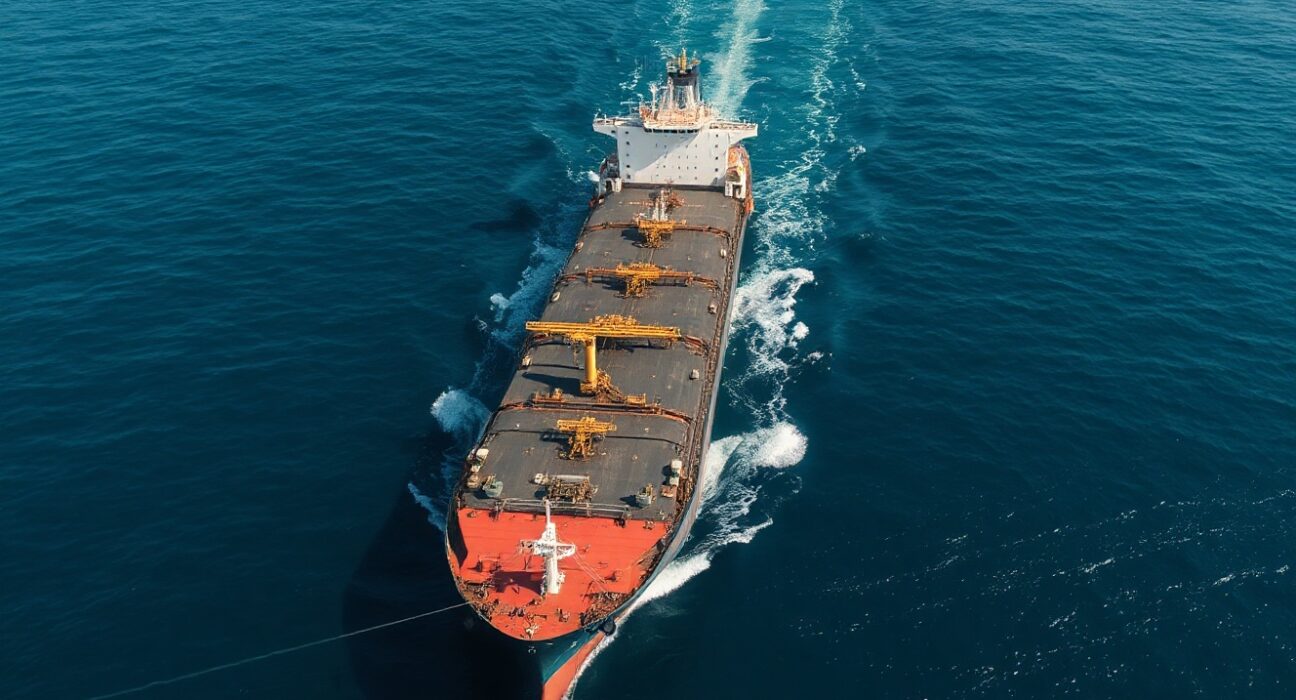
West Texas Intermediate (WTI) crude oil is trading below $80.50 per barrel as of [Date], with market participants closely monitoring diplomatic efforts aimed at de-escalating tensions and ensuring the safe reopening of the Strait of Hormuz, a critical chokepoint for global oil shipments.
Market Snapshot: WTI price action and immediate drivers
WTI futures are under pressure as diplomatic channels show signs of progress, reducing the immediate risk premium that had been priced in following recent disruptions in the region. The $80.50 level is acting as a key resistance point, with traders looking for a definitive catalyst to break the current range. The market’s focus remains on the potential for a swift resolution that would allow for the unhindered passage of tankers through the strait, which handles roughly 20% of global oil consumption.
Geopolitical Context: Why the Strait of Hormuz matters
The Strait of Hormuz is the world’s most important oil transit route, connecting producers in the Middle East with global markets. Any disruption, whether from military conflict or diplomatic standoffs, has immediate implications for supply chains and energy prices. The current diplomatic efforts are centered on finding a framework that addresses the security concerns of all parties involved while guaranteeing freedom of navigation. Traders are cautiously optimistic, but the situation remains fluid, and the potential for setbacks keeps a floor under prices.
Supply and Demand Fundamentals
Beyond geopolitics, the oil market is also balancing supply from OPEC+ and other major producers against a demand outlook that has been tempered by global economic uncertainty. While the diplomatic track is the primary driver today, inventory data and production figures continue to shape the medium-term price trajectory. A successful reopening of the strait would likely ease supply fears, potentially pushing prices below the current psychological threshold. Conversely, a breakdown in talks could quickly reignite a rally toward recent highs.
Implications for Traders and Consumers
For traders, the current price action offers a clear example of how geopolitical risk is being actively managed. The $80.50 level is a line in the sand; a decisive break could trigger algorithmic selling, while a bounce would confirm strong buying interest at lower levels. For consumers, the price of WTI is a leading indicator for retail fuel costs. A sustained move lower in crude would eventually translate to cheaper gasoline and diesel, providing some relief from inflationary pressures. However, any escalation in the region would reverse that trend quickly.
Conclusion
WTI crude’s position below $80.50 reflects a market in wait-and-see mode, with diplomatic efforts in the Middle East serving as the primary swing factor. The coming days are critical; tangible progress could lead to a sharp sell-off in oil prices, while a stalemate will likely keep the risk premium intact. As always, the situation is subject to rapid change, and market participants should remain prepared for volatility.
FAQs
Q1: What is the significance of the $80.50 price level for WTI?
The $80.50 level is acting as a near-term resistance point. Traders are watching it as a key technical indicator; a move above it could signal further gains, while a rejection often leads to a pullback toward lower support levels.
Q2: How does the Strait of Hormuz affect global oil prices?
The strait is a vital transit route for approximately 20% of global oil consumption. Any threat of closure or disruption immediately impacts supply expectations, which in turn drives up global benchmark prices like WTI and Brent.
Q3: What factors could cause oil prices to fall from current levels?
A successful diplomatic resolution that guarantees the safe reopening of the Strait of Hormuz would be the most significant bearish catalyst. Additionally, weaker-than-expected global economic data that reduces demand forecasts could also push prices lower.
Disclaimer: The information provided is not trading advice, Bitcoinworld.co.in holds no liability for any investments made based on the information provided on this page. We strongly recommend independent research and/or consultation with a qualified professional before making any investment decisions.
