

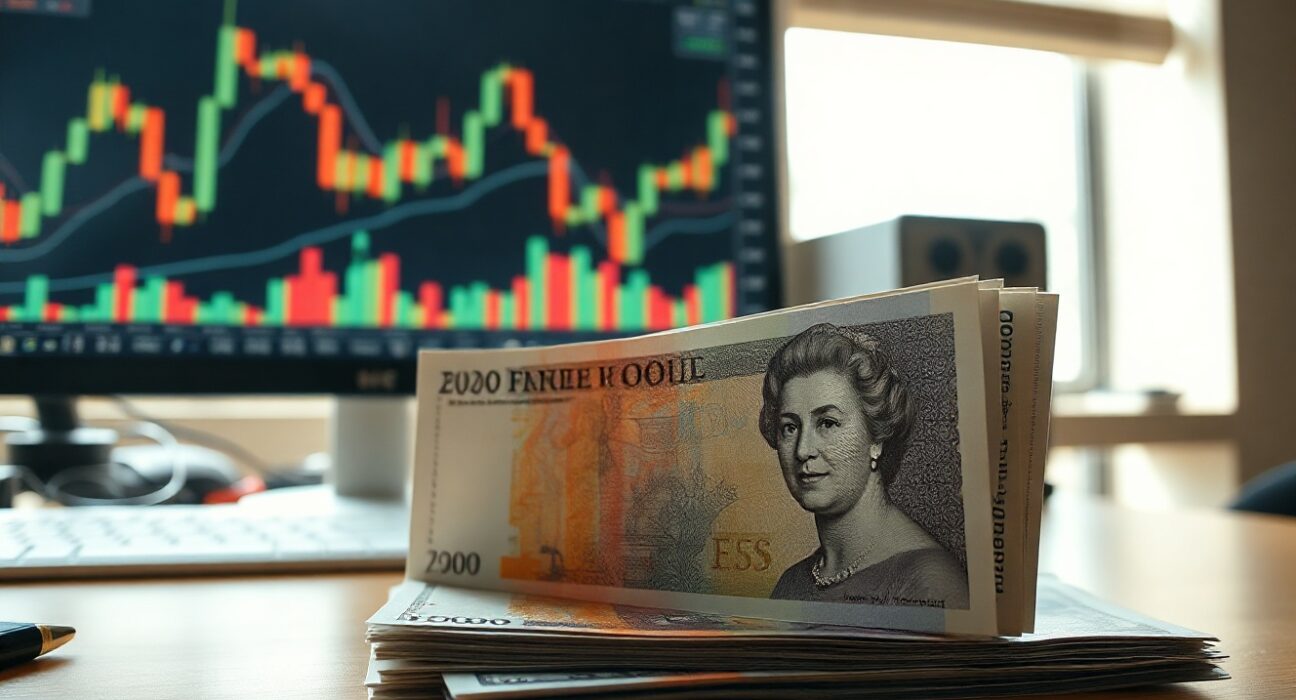
The British pound advanced against the US dollar on [date], following the release of weaker-than-expected US retail sales data that dampened expectations of further Federal Reserve interest rate hikes. The US Commerce Department reported that retail sales fell by [percentage]% in [month], compared to the [previous month]’s [percentage]% gain, and below the [percentage]% increase forecast by economists.
Market Reaction and Currency Movements
The pound sterling rose to [rate] against the dollar, up [percentage]% on the day, as traders adjusted their positions in light of the softer US economic data. The US dollar index, which measures the greenback against a basket of major currencies, slipped [percentage]% to [level]. The move reflects a growing market consensus that the Fed may pause its rate hiking cycle sooner than previously anticipated, as inflationary pressures show signs of easing.
Implications for Federal Reserve Policy
The weak retail sales figures, released on [date], add to a series of economic indicators suggesting that the US economy is slowing down. This has led to a shift in market expectations, with futures markets now pricing in a [percentage]% probability of a rate cut at the next Fed meeting in [month]. A weaker dollar typically benefits the pound, as it makes UK exports more competitive and boosts the attractiveness of sterling-denominated assets.
Why This Matters for Traders and Investors
For currency traders, the pound’s strength against the dollar presents both opportunities and risks. A sustained rally in GBP/USD could impact multinational corporations’ earnings, affect import and export prices, and influence central bank policy decisions in the UK. The Bank of England has its own monetary policy challenges, with inflation still above its 2% target, but the recent dollar weakness provides some relief to UK importers and consumers.
Expert Insights and Market Outlook
Analysts are divided on the pound’s near-term trajectory. Some argue that the dollar’s weakness is temporary and that the Fed may still raise rates if inflation proves sticky. Others point to the UK’s improving economic outlook and the Bank of England’s cautious approach as supportive of sterling. “The market is clearly reassessing the Fed’s next move, and that’s giving the pound a tailwind,” said [analyst name], a currency strategist at [firm]. “But the path is not one-way, and volatility is likely to persist.”
Conclusion
In summary, the pound’s advance against the dollar is a direct response to the latest US retail sales data, which has weakened the case for further Fed rate hikes. While the short-term outlook for GBP/USD appears positive, traders should remain vigilant, as economic data releases and central bank communications can quickly shift market sentiment. As always, staying informed and adapting to changing conditions is key for investors navigating the forex market.
FAQs
Q1: Why did the pound rise against the dollar?
The pound rose after US retail sales data came in weaker than expected, reducing the likelihood of the Federal Reserve implementing further interest rate hikes. A slower pace of Fed tightening typically weakens the dollar, benefiting the pound.
Q2: What does this mean for UK consumers and businesses?
A stronger pound can lower the cost of imported goods, potentially easing inflation pressures in the UK. For businesses that export, a stronger pound may make their products more expensive overseas, which could impact sales.
Q3: How might the Bank of England react to these developments?
The Bank of England will closely monitor currency movements and their impact on inflation. While a stronger pound can help curb imported inflation, the BoE’s policy decisions will remain data-driven, focusing on domestic economic indicators such as wage growth and services inflation.
Disclaimer: The information provided is not trading advice, Bitcoinworld.co.in holds no liability for any investments made based on the information provided on this page. We strongly recommend independent research and/or consultation with a qualified professional before making any investment decisions.
