

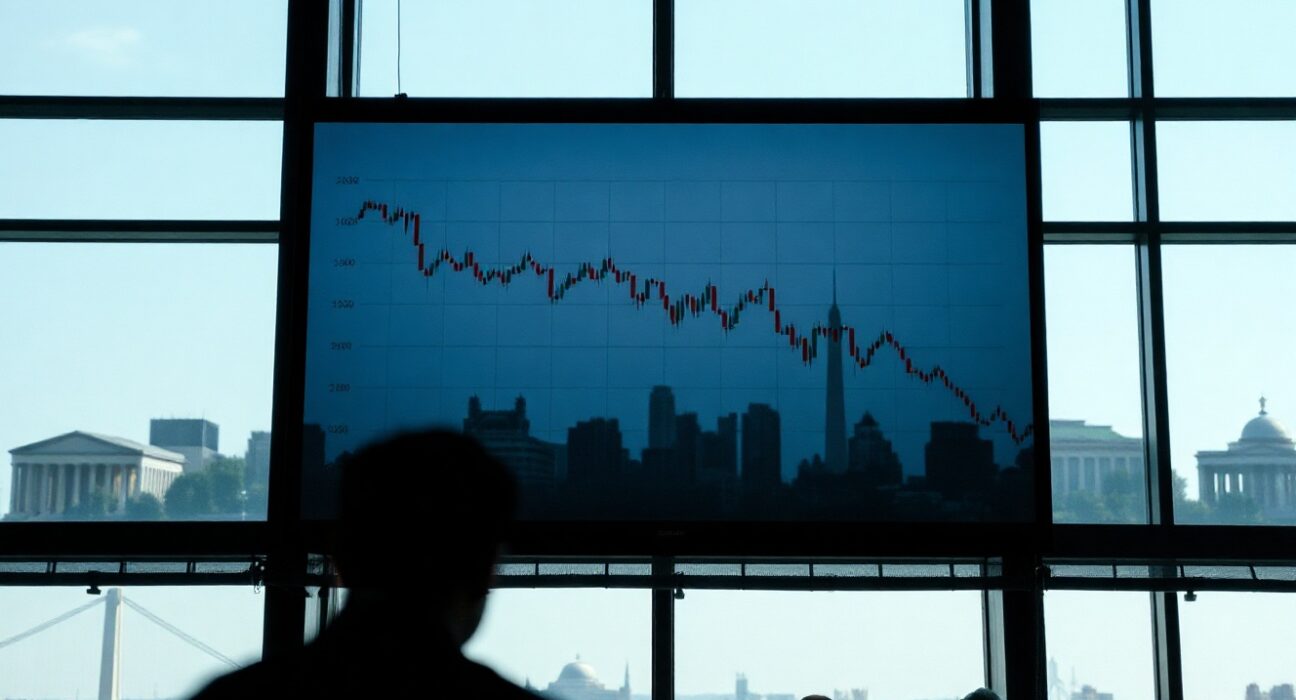
The US Dollar Index is under pressure as of early 2025, with the greenback unable to sustain a rally amid persistent concerns over Washington’s fiscal trajectory and trade policy unpredictability. The index, which measures the dollar against a basket of major currencies, has faced headwinds from market perceptions that the current administration’s policies may undermine long-term economic stability.
Why the Dollar Is Struggling
The primary drag on the dollar stems from Washington’s widening budget deficit and the associated increase in Treasury supply, which investors are absorbing with caution. Additionally, the administration’s tariff policies have introduced uncertainty, prompting some trading partners to diversify away from dollar-denominated assets. As of mid-February 2025, the Dollar Index has retreated approximately 3% from its January peak, reflecting these concerns.
Market participants are also weighing the Federal Reserve’s monetary policy path. While the Fed has signaled a cautious approach to rate cuts, the market is pricing in potential easing later this year, which could further diminish the dollar’s yield advantage.
Global Implications of a Weaker Dollar
A softer dollar has broad implications for global markets. Emerging market currencies and commodities, particularly gold and oil, have benefited from the dollar’s decline. For international investors, a weaker dollar means higher returns on non-US assets when converted back to dollars. However, it also raises import costs for US consumers, potentially adding to inflationary pressures.
What This Means for Investors
Investors should monitor the dollar’s trajectory closely, as it influences everything from corporate earnings to portfolio diversification strategies. A sustained decline could prompt central banks in other countries to adjust their own policies, and it may accelerate the global push toward de-dollarization. However, the dollar’s role as the world’s primary reserve currency remains entrenched, and any shift is likely to be gradual.
Conclusion
In summary, the US Dollar Index is facing significant headwinds from Washington’s fiscal and trade policies, which are unlikely to dissipate quickly. While the dollar remains dominant, its near-term weakness reflects genuine market concerns. For now, the index appears capped, with any rally likely to be sold into as long as policy uncertainty persists.
FAQs
Q1: What is the US Dollar Index?
The US Dollar Index (DXY) measures the value of the US dollar relative to a basket of six major currencies: the euro, Japanese yen, British pound, Canadian dollar, Swedish krona, and Swiss franc. It is a widely used benchmark for the dollar’s overall strength in global markets.
Q2: How do Washington’s policies affect the dollar?
Fiscal policies, such as government spending and tax changes, influence the dollar through their impact on economic growth, inflation, and the national debt. Trade policies, including tariffs and trade agreements, can affect the dollar by altering trade flows and investor confidence in US assets.
Q3: What are the implications of a weaker dollar for the average consumer?
A weaker dollar makes imported goods more expensive, potentially leading to higher prices for consumers. It can also make US exports more competitive, which may support domestic manufacturing. Additionally, it can affect travel costs and the value of foreign investments.
Disclaimer: The information provided is not trading advice, Bitcoinworld.co.in holds no liability for any investments made based on the information provided on this page. We strongly recommend independent research and/or consultation with a qualified professional before making any investment decisions.
