

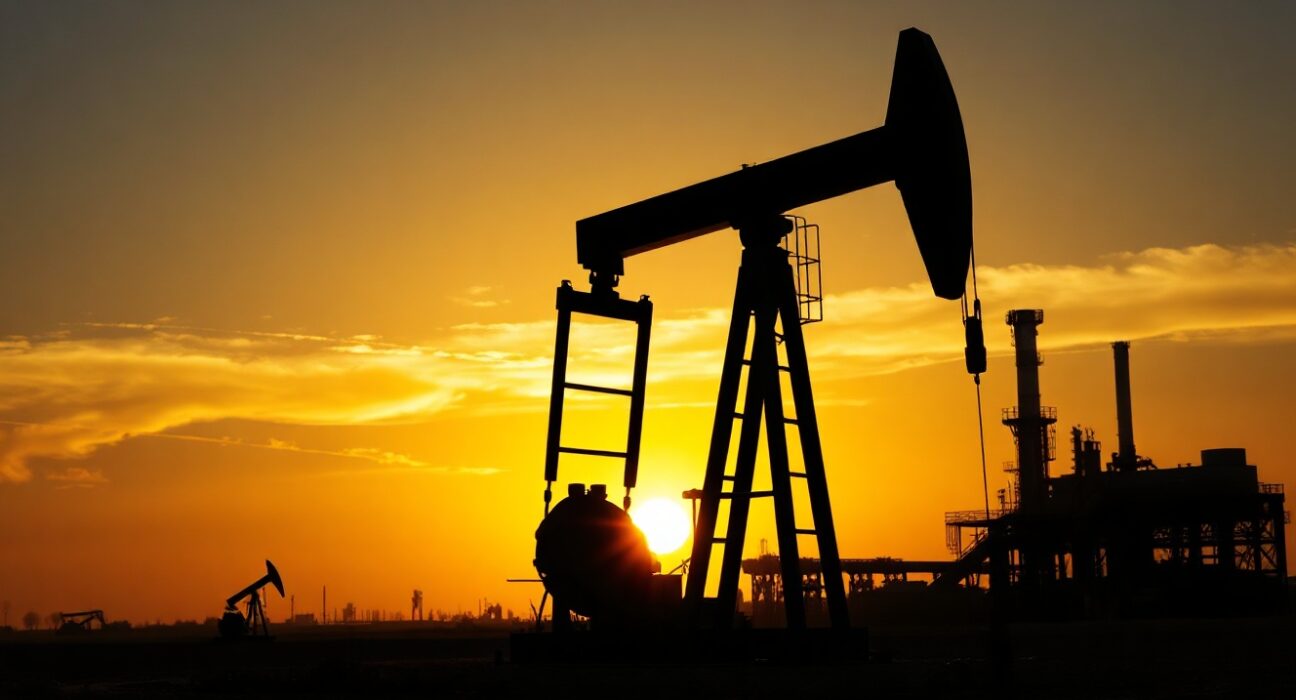
WTI crude oil futures rose above $82 per barrel on [date], as escalating tensions between the United States and Iran reignited concerns over potential supply disruptions in the Middle East. The price move reflects growing market anxiety over the possibility of supply constraints, even as global inventories remain relatively well-supplied.
What is Driving the Price Increase?
The latest uptick in WTI prices follows a series of diplomatic and military signals between Washington and Tehran. The United States has increased naval presence in the Strait of Hormuz, a critical chokepoint for global oil shipments, while Iran has responded with threats to close the waterway if its oil exports are further restricted. These developments have heightened the risk premium embedded in crude prices, as traders assess the potential for a direct confrontation that could disrupt tanker traffic.
Historically, any significant escalation in the region has led to short-term price spikes. In 2019, drone attacks on Saudi Aramco facilities temporarily knocked out 5% of global supply, underscoring the market’s sensitivity to Middle East disruptions. While the current situation has not yet resulted in physical supply losses, the psychological impact is evident in the futures curve, with prompt contracts trading at a premium to later-dated ones.
Market Fundamentals and OPEC+ Response
Beyond geopolitics, the oil market is also balancing supply and demand fundamentals. OPEC+ has maintained production cuts, with several members voluntarily reducing output to support prices. However, the group has also signaled flexibility to adjust policy if geopolitical events lead to sustained price increases. The International Energy Agency (IEA) recently noted that global oil inventories are below the five-year average, providing less buffer against potential disruptions.
Demand-side signals remain mixed. While China’s economic recovery has been uneven, the US summer driving season is expected to boost gasoline consumption. However, high interest rates and inflation could temper overall demand growth. These factors contribute to a complex outlook, where geopolitical risks are layered onto an already tight balance.
Why This Matters for Consumers and the Economy
Higher oil prices translate directly into increased costs for gasoline, diesel, and jet fuel, affecting consumers and businesses alike. In the US, the national average gasoline price has edged up in recent weeks, which could influence inflation readings and the Federal Reserve’s policy path. For the broader economy, sustained price increases could act as a tax on consumption, slowing growth. Conversely, a de-escalation in tensions could quickly unwind the risk premium, leading to a sharp price correction.
Conclusion
WTI’s move above $82 underscores the market’s vulnerability to geopolitical shocks. While the immediate trigger is the US-Iran standoff, the underlying supply-demand dynamics remain tight. Traders will be watching for any diplomatic breakthroughs or military actions that could shift the risk calculus. As always, the situation is fluid, and prices are likely to remain volatile in the near term.
FAQs
Q1: What is the current WTI price level?
As of [date], WTI crude oil futures are trading above $82 per barrel, up from earlier levels. Prices are subject to rapid changes based on market conditions and geopolitical developments.
Q2: How do US-Iran tensions affect oil prices?
Tensions raise the risk of supply disruptions, especially if the Strait of Hormuz is threatened. The market prices in a risk premium, which can push prices higher even without actual supply losses.
Q3: What should consumers expect at the pump?
If WTI prices remain elevated, gasoline prices are likely to follow, though the impact may be moderated by regional refining capacity and local competition. Consumers should monitor fuel prices for potential increases in the coming weeks.
Disclaimer: The information provided is not trading advice, Bitcoinworld.co.in holds no liability for any investments made based on the information provided on this page. We strongly recommend independent research and/or consultation with a qualified professional before making any investment decisions.
