

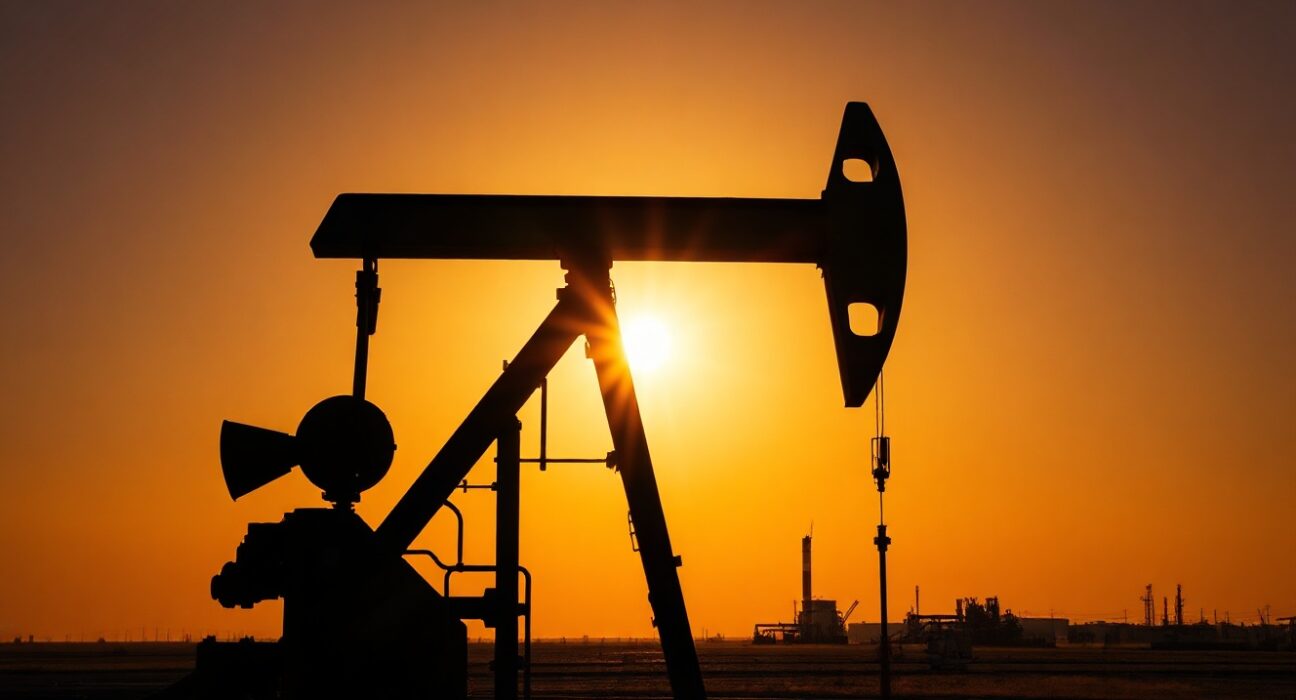
Oil prices are trading near $90 a barrel as of this week, driven by escalating geopolitical risks in the Middle East that threaten supply stability. The recent surge reflects market concerns over potential disruptions to crude flows from the region, a key artery for global energy supplies.
Why Oil Prices Are Rising
The latest price jump is primarily attributed to heightened tensions in the Middle East, where conflicts and diplomatic standoffs have raised the specter of supply interruptions. Traders are pricing in a risk premium, as any significant disruption could tighten an already balanced market.
Brent crude, the international benchmark, has climbed steadily over the past sessions, with analysts pointing to a combination of geopolitical uncertainty and resilient demand. The $90 level is psychologically significant, as it marks a threshold that could prompt further volatility if breached decisively.
Market Context and Implications
Oil’s ascent comes amid broader commodity market strength, with energy prices influencing inflation expectations and central bank policies. For consumers, higher crude prices typically translate into increased fuel costs, which can ripple through economies and affect household spending.
From a supply perspective, OPEC+ production cuts have tightened the market, leaving little spare capacity to offset potential outages. The International Energy Agency has previously warned that the world remains vulnerable to supply shocks, and the current situation underscores that fragility.
What Traders Are Watching
Market participants are closely monitoring diplomatic efforts and any signs of de-escalation, which could quickly unwind the risk premium. Conversely, any direct confrontation involving major oil producers could push prices significantly higher. Additionally, upcoming inventory data and economic indicators will provide further direction.
Conclusion
Oil’s proximity to $90 reflects a market on edge, balancing geopolitical risks against supply and demand fundamentals. While the situation remains fluid, the potential for sustained high prices carries broad implications for global inflation and economic growth. As events unfold, traders and consumers alike will be watching for signs of stability or further escalation.
FAQs
Q1: Why is oil price near $90 significant?
The $90 level is a psychological and technical threshold that can trigger increased volatility and impact consumer fuel prices, influencing inflation and economic policy.
Q2: How do Middle East tensions affect oil prices?
The Middle East accounts for a large share of global oil production and transit routes. Any threat of disruption can prompt traders to add a risk premium, driving prices up.
Q3: What could cause oil prices to drop from here?
De-escalation of geopolitical tensions, stronger-than-expected supply from non-OPEC producers, or a significant slowdown in global demand could ease upward pressure on prices.
Disclaimer: The information provided is not trading advice, Bitcoinworld.co.in holds no liability for any investments made based on the information provided on this page. We strongly recommend independent research and/or consultation with a qualified professional before making any investment decisions.
