

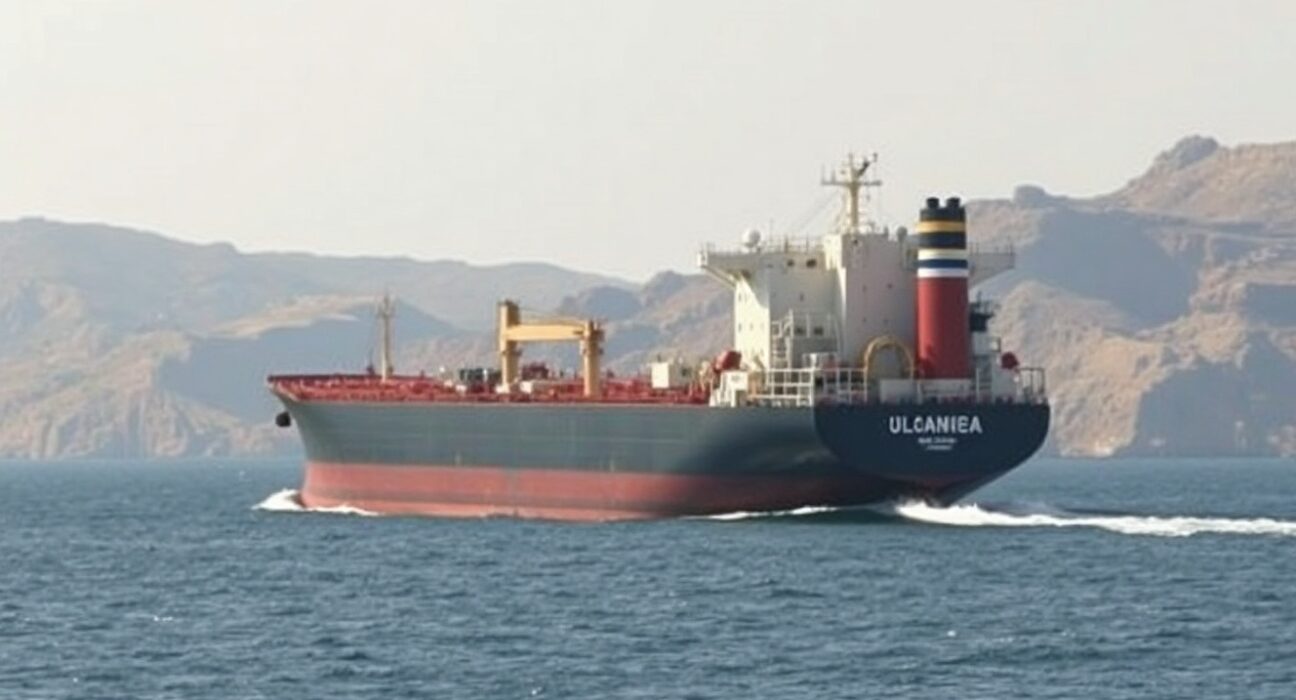
The United Kingdom Maritime Trade Operations (UKMTO) reported an incident in the Strait of Hormuz on [Date of report, if known, otherwise ‘this week’], raising concerns about the safety of one of the world’s most critical oil shipping lanes. The UKMTO, which serves as the primary point of contact for mariners in the region, issued an advisory without providing immediate details, but the development is enough to prompt heightened vigilance among shipping companies and oil markets.
What Happened in the Strait of Hormuz?
The UKMTO advisory, which was also relayed by Reuters, indicates that an incident occurred but does not specify the nature, whether it involved a vessel, a security threat, or a navigational hazard. The Strait of Hormuz is a narrow waterway between Iran and Oman, through which about 20% of global oil consumption passes, making any disruption a significant concern for energy markets and global trade. The UKMTO typically issues such advisories when there is a potential threat to maritime security, including possible hijackings, attacks, or suspicious approaches by fast boats.
Why This Matters for Global Oil Markets
Even a brief disruption in the Strait of Hormuz can lead to volatility in oil prices, as traders factor in the risk of supply delays or interruptions. As of [current date], Brent crude futures have shown sensitivity to such news, though the immediate price reaction depends on the severity of the incident. The strait is also a vital route for liquefied natural gas (LNG) from Qatar, the world’s largest LNG exporter, meaning that any prolonged closure would have far-reaching effects beyond crude oil.
Historical Context and Previous Incidents
The Strait of Hormuz has been a flashpoint for tensions between Iran and Western nations, with periodic incidents involving tankers, mines, and seizures. In 2019, a series of attacks on tankers near the strait escalated U.S.-Iran tensions, and in 2023, Iran seized several commercial vessels in the area. These events have led to increased naval patrols and international escort operations. The current incident, while not yet detailed, adds to a pattern of maritime insecurity that shipping companies have had to navigate with careful risk assessment.
What Should Mariners and Industry Watch For?
Mariners are advised to monitor UKMTO and other maritime security channels for updates, and to report any suspicious activity immediately. The shipping industry, including major tanker operators and insurers, will be assessing the risk, which could influence war-risk premiums for vessels transiting the region. For the broader public, the incident underscores the fragility of global supply chains and the importance of stable maritime routes for energy security.
Conclusion
The UKMTO’s report of an incident in the Strait of Hormuz is a developing story that warrants close attention. While the immediate impact is uncertain, the strategic importance of the waterway means that any threat to its safety has global implications. As more details emerge, the response from maritime authorities and the reaction of oil markets will be key indicators of the incident’s severity.
FAQs
Q1: What is the UKMTO?
The United Kingdom Maritime Trade Operations is a Royal Navy organization that acts as the primary point of contact for merchant ships and naval forces in the Middle East, providing advisories on maritime security threats.
Q2: Why is the Strait of Hormuz so important?
The strait is a narrow waterway between Iran and Oman, through which roughly 20% of global oil consumption and significant LNG supplies pass, making it a critical chokepoint for world energy trade.
Q3: What should I watch for as the situation develops?
Follow official updates from the UKMTO and other maritime security agencies, and monitor oil price movements for immediate market reactions. The nature of the incident, any claims of responsibility, and the response from naval forces will be important factors.
Disclaimer: The information provided is not trading advice, Bitcoinworld.co.in holds no liability for any investments made based on the information provided on this page. We strongly recommend independent research and/or consultation with a qualified professional before making any investment decisions.
