

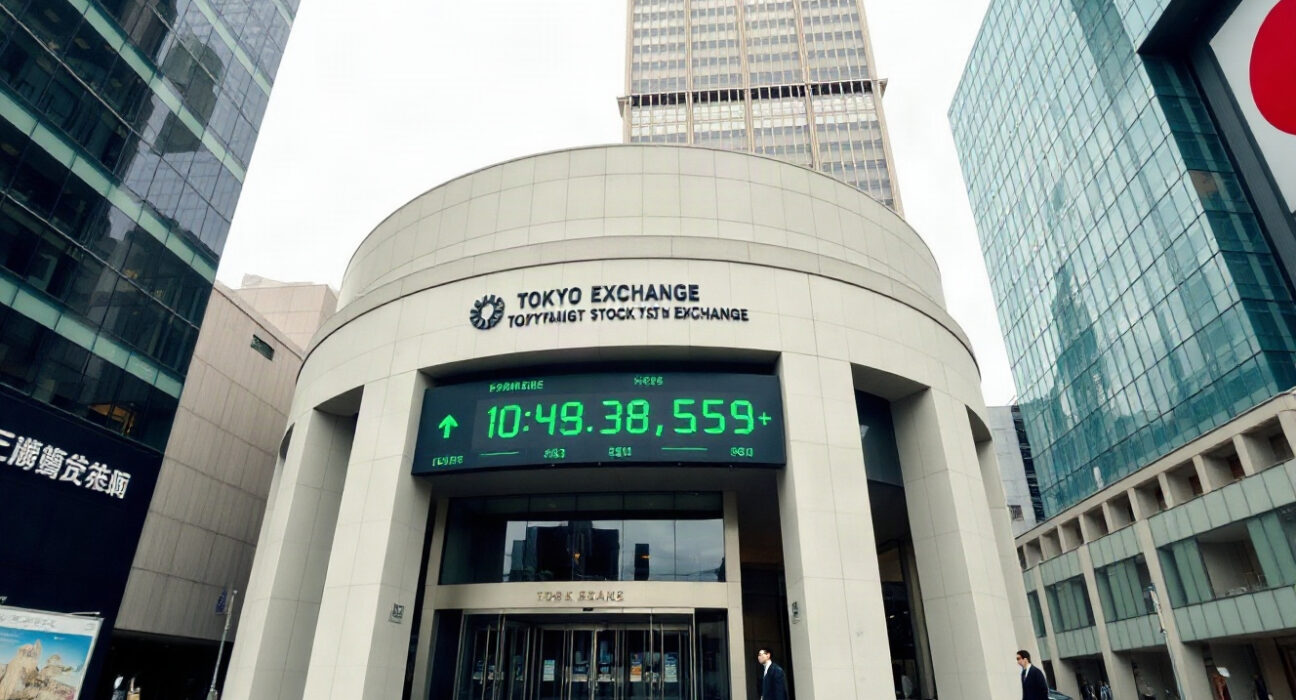
Foreign investment in Japanese stocks surged to ¥621.2 billion in the week ending August 14, according to the latest data from the Japan Exchange Group, marking a sharp reversal from the previous week’s outflow of ¥368.5 billion.
What drove the sudden turnaround in foreign flows?
The swing of nearly ¥1 trillion between the two weeks underscores a rapid shift in international investor sentiment toward Japanese equities. While the official breakdown by investor type or sector is not yet available, market analysts point to a combination of factors that likely contributed to the renewed appetite.
Recent corporate earnings reports from major Japanese exporters have generally beaten expectations, supported by a weaker yen that boosts overseas revenue when converted back to yen. Additionally, the Bank of Japan’s cautious approach to further interest rate hikes has reassured some investors who feared a rapid tightening cycle would dampen economic growth.
The data, compiled by the Tokyo Stock Exchange and Osaka Exchange, captures both cash and derivative transactions, offering a broad view of foreign participation in Japan’s equity markets.
How does this compare with recent trends?
The inflow on August 14 is among the largest weekly foreign purchases of Japanese stocks this year, but it follows a volatile period. Earlier in 2025, foreign investors were net sellers in several weeks, reflecting global uncertainty over trade policies and geopolitical tensions.
Despite the latest inflow, the cumulative foreign position in Japanese equities remains sensitive to global macro signals. For instance, the previous week’s outflow of ¥368.5 billion was one of the steepest of the quarter, driven by concerns over a potential slowdown in the U.S. economy and its ripple effects on Asian markets.
The current rebound suggests that investors are selectively re-entering the market, focusing on companies with strong fundamentals and shareholder-friendly policies, such as improved governance and higher dividend payouts.
Why this matters for the Japanese market
Foreign investment is a critical driver of liquidity and price momentum in Tokyo, where overseas investors account for a significant portion of daily trading volume. A sustained inflow could support the Nikkei 225 and TOPIX indices, which have been range-bound in recent weeks.
For domestic policymakers, the return of foreign capital is a positive signal, indicating that Japan’s efforts to enhance corporate governance and market attractiveness are gaining traction. It also provides a buffer against potential outflows from other asset classes, such as bonds, where foreign ownership has been more volatile.
Conclusion
The ¥621.2 billion foreign inflow into Japanese stocks for the week ending August 14 marks a decisive reversal from the prior week’s outflow, reflecting renewed confidence in Japan’s equity market. While the sustainability of this trend depends on global economic conditions and corporate earnings momentum, the data underscores Japan’s continued appeal as a destination for international capital.
FAQs
Q1: What does the ¥621.2 billion figure represent?
It represents the net amount of Japanese stocks purchased by foreign investors during the week ending August 14, as reported by the Japan Exchange Group. A positive figure indicates net buying.
Q2: Why did foreign investment swing so sharply from the previous week?
The swing likely reflects changing investor sentiment driven by strong corporate earnings, a weaker yen, and the Bank of Japan’s monetary policy stance, which together made Japanese equities more attractive compared to the prior week’s concerns.
Q3: How reliable is this data?
The data is compiled by the Tokyo Stock Exchange and Osaka Exchange, providing a comprehensive and authoritative measure of foreign investment flows. It is widely used by market participants and economists to gauge international interest in Japanese equities.
Disclaimer: The information provided is not trading advice, Bitcoinworld.co.in holds no liability for any investments made based on the information provided on this page. We strongly recommend independent research and/or consultation with a qualified professional before making any investment decisions.
