

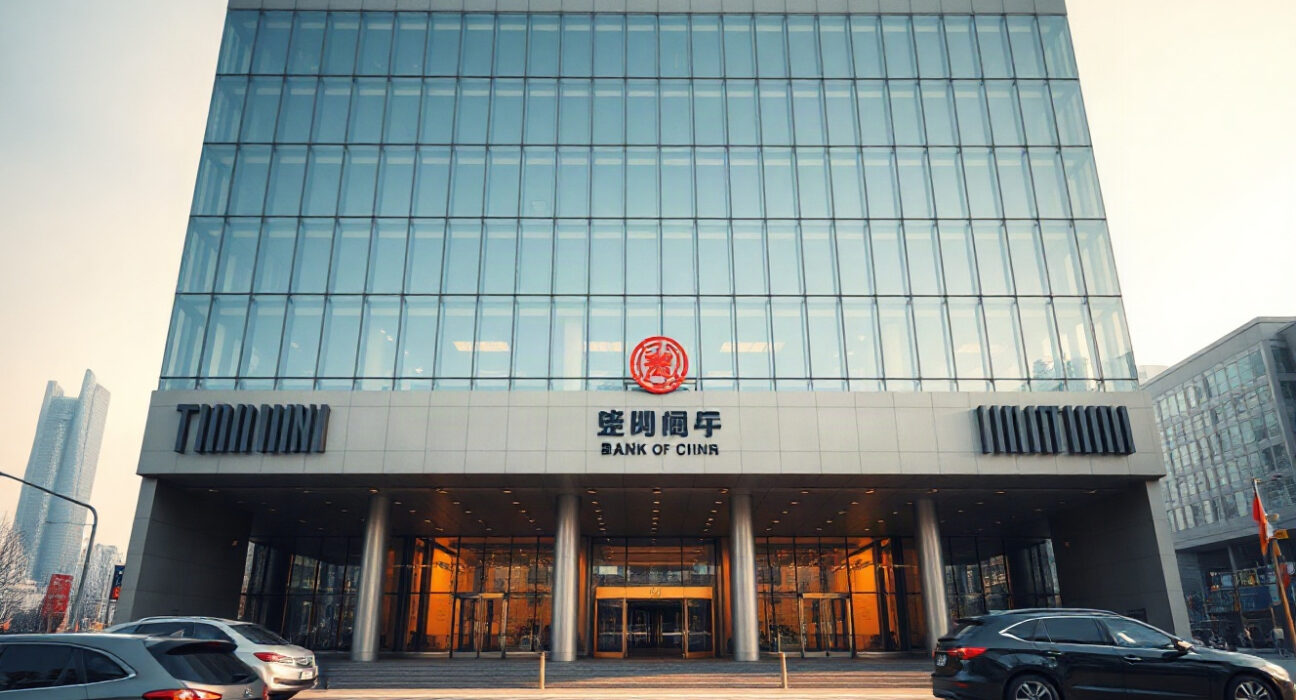
The People’s Bank of China (PBoC) kept its benchmark lending rate unchanged at 3% on Monday, matching market expectations and signaling a steady monetary policy stance as the world’s second-largest economy navigates a fragile recovery and global headwinds.
What the Decision Means
The one-year loan prime rate (LPR), the key reference for most corporate and household loans, remained at 3% as of the latest fixing. The five-year LPR, which anchors mortgage rates, was also left unchanged at 3.5%. The decision was widely anticipated by economists, as the central bank has maintained a cautious approach, balancing the need to support growth with concerns over financial stability and capital outflows.
The PBoC’s choice to hold rates comes after a series of targeted measures aimed at boosting liquidity for small businesses and the property sector. Analysts view the hold as a sign that policymakers are content with the current level of monetary accommodation, preferring to let fiscal stimulus and structural reforms take the lead in driving economic momentum.
Market Reaction and Implications
Financial markets showed little immediate reaction to the announcement, as the decision was fully priced in. However, the sustained low-rate environment continues to put pressure on commercial banks’ net interest margins, potentially affecting their profitability in the coming quarters.
For borrowers, the unchanged LPR means no immediate change in loan repayments, offering some relief to households and businesses still grappling with subdued consumer confidence and weak investment demand. The property sector, a major driver of China’s economy, remains under stress, and the steady rate helps maintain stability in mortgage costs, though it does little to address deeper structural issues such as oversupply and local government debt.
Why It Matters
The PBoC’s decision is more than a technical adjustment; it reflects a broader policy philosophy of measured, data-dependent action. With inflation remaining low and the yuan under intermittent pressure, the central bank is walking a tightrope between stimulating growth and preserving external stability. This hold reinforces the message that Beijing is not inclined to resort to aggressive easing, preferring a more targeted and sustainable approach.
Conclusion
The PBoC’s decision to hold its key rate at 3% aligns with market forecasts and underscores a commitment to policy continuity. While the unchanged rate offers short-term predictability, the long-term challenge of fostering durable growth in a complex global environment remains. Investors and businesses will now watch for signals from the central bank’s future meetings and any shifts in its policy toolkit.
FAQs
Q1: What is the Loan Prime Rate (LPR)?
The Loan Prime Rate is the benchmark lending rate set by the People’s Bank of China, used as a reference for most loans issued by commercial banks in the country. It is published monthly and influences borrowing costs for households and businesses.
Q2: Why did the PBoC keep the rate unchanged?
The PBoC kept the rate unchanged to maintain monetary stability, supporting economic recovery without fueling inflation or excessive financial risk. The decision was in line with market expectations and reflects a cautious approach to policy.
Q3: How does this decision affect the average borrower?
For existing borrowers with floating-rate loans, the unchanged LPR means no immediate change in monthly payments. For new loans, the steady rate ensures borrowing costs remain predictable, though the overall impact on credit demand depends on broader economic conditions.
Disclaimer: The information provided is not trading advice, Bitcoinworld.co.in holds no liability for any investments made based on the information provided on this page. We strongly recommend independent research and/or consultation with a qualified professional before making any investment decisions.
