

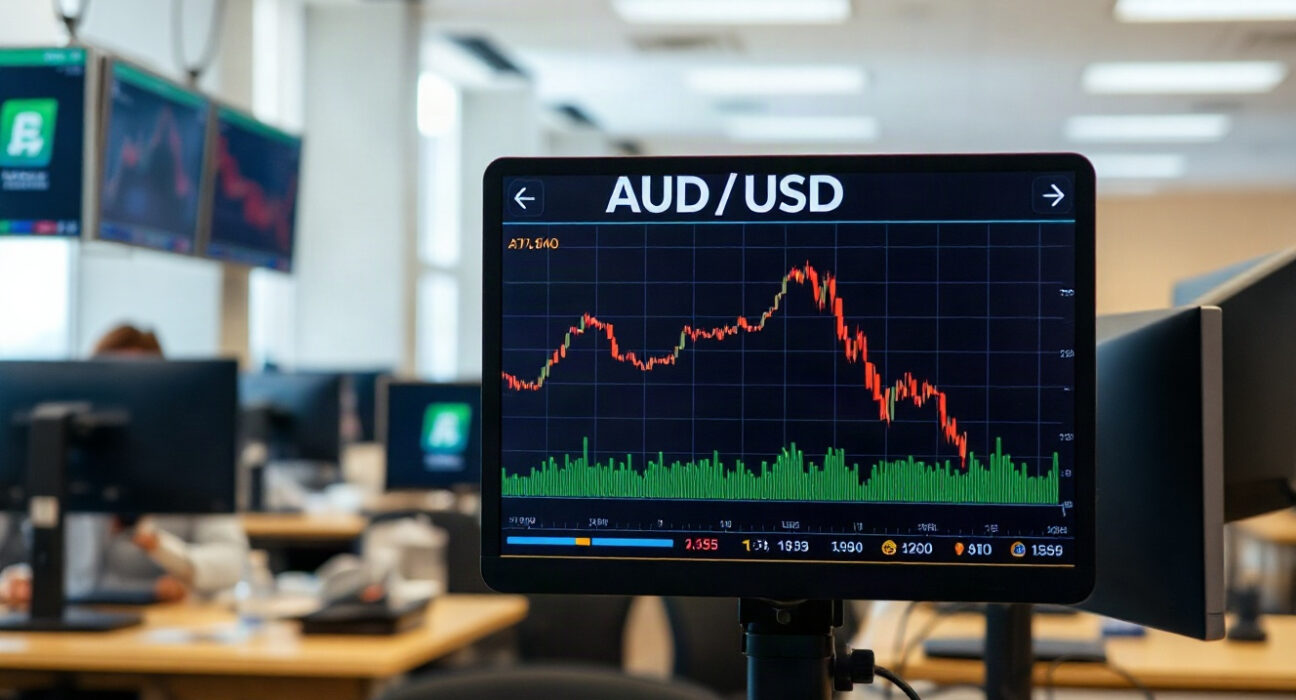
The Australian Dollar fell against the US Dollar on Thursday after the release of weaker-than-expected domestic labor market data, which showed the economy shed jobs in May and the unemployment rate ticked higher, prompting markets to increase bets on an earlier interest rate cut by the Reserve Bank of Australia (RBA).
Labor Market Misses Expectations
According to data released by the Australian Bureau of Statistics on Thursday, the economy lost 4,000 jobs in May, defying forecasts of a 15,000 gain. The unemployment rate rose to 4.1% from 4.0% in April, while the participation rate remained steady at 66.8%.
The weak figures suggest that the labor market is cooling, which could ease wage pressures and give the RBA more room to consider policy easing. As of the data release, money markets priced in a 70% chance of a rate cut by September, up from around 50% before the data.
Market Reaction and AUD/USD Performance
The Australian Dollar dropped to a session low of $0.6630 following the release, before stabilizing around $0.6645, down 0.3% on the day. The currency has been under pressure in recent weeks as investors weigh the outlook for global growth and commodity prices.
Analysts noted that the labor data reinforces the case for the RBA to cut rates, potentially as soon as August. However, some cautioned that the central bank may wait for more evidence of sustained weakness before acting.
Implications for Traders and the Economy
For traders, the weaker labor market signals a potential shift in the RBA’s policy trajectory, which could influence short-term positioning in the AUD. For the broader economy, rising unemployment may weigh on consumer spending, a key driver of growth.
The data also adds to a mixed global picture, with central banks in other developed economies also grappling with inflation and growth trade-offs. The RBA’s next policy meeting is scheduled for July, where the board will have the opportunity to respond to the latest data.
Conclusion
Thursday’s labor market report marks a clear softening in Australia’s employment landscape, prompting a sharp market reaction and increasing expectations of an RBA rate cut. While the data is only one month, it adds to the case for policy easing and will be closely watched by economists and investors in the coming weeks.
FAQs
Q1: Why did the Australian Dollar fall after the labor data?
The AUD fell because the weak labor market data increased the likelihood of an RBA rate cut, which typically makes a currency less attractive to investors.
Q2: What is the current unemployment rate in Australia?
As of the May report, the unemployment rate rose to 4.1%, up from 4.0% in April.
Q3: When is the RBA’s next policy meeting?
The RBA is scheduled to meet in July, where it will consider the latest economic data and decide on interest rates.
Disclaimer: The information provided is not trading advice, Bitcoinworld.co.in holds no liability for any investments made based on the information provided on this page. We strongly recommend independent research and/or consultation with a qualified professional before making any investment decisions.
