

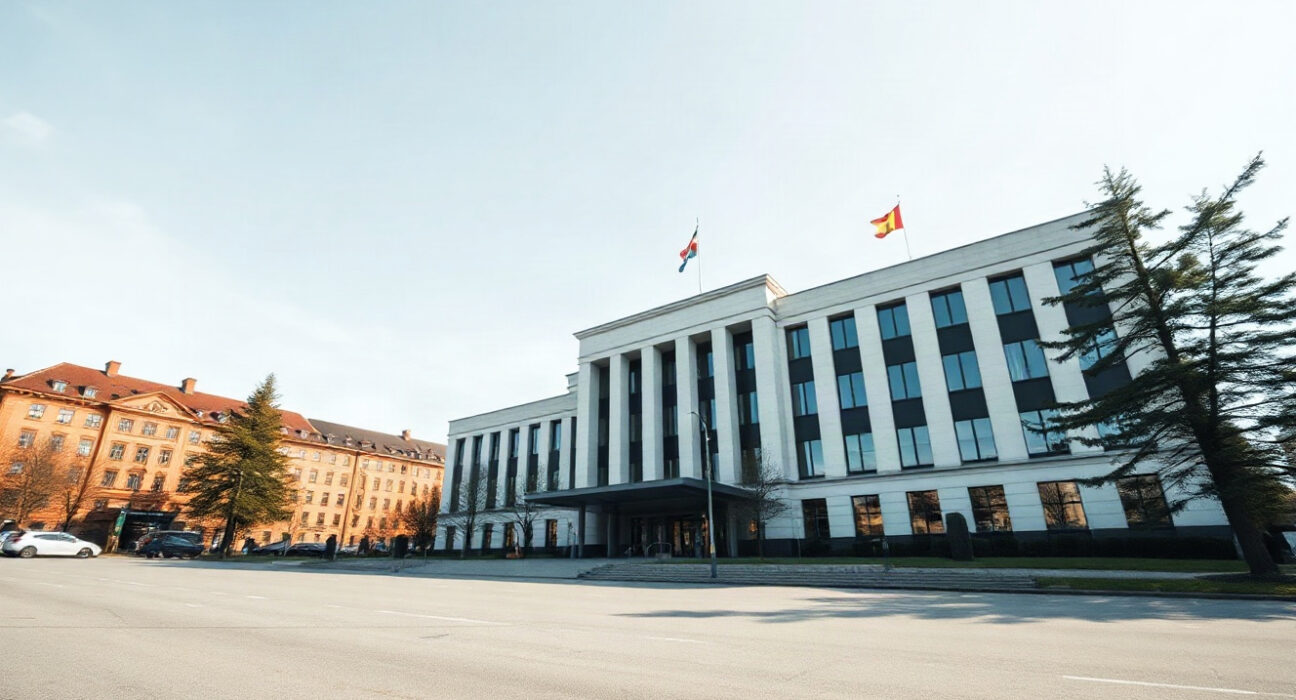
Sweden’s central bank, the Riksbank, left its key policy rate unchanged at 1.75% on [Date of decision], a move that matched market forecasts and marked a pause after a series of rate cuts over the past year.
Context and Rationale
The decision to hold rates comes amid a mixed economic picture in Sweden. While inflation has moderated from the peaks seen in 2022 and 2023, it remains above the Riksbank’s 2% target, and the central bank has signaled a cautious approach to further easing. The pause follows a cumulative reduction of [X] basis points since [start year], as the Riksbank sought to balance supporting a sluggish economy with containing price pressures.
According to the Riksbank’s latest monetary policy report, the executive board assessed that the current level of the policy rate is appropriate to bring inflation back to target within a reasonable time horizon, while not unnecessarily dampening economic activity. The bank also noted that the krona’s exchange rate and global economic conditions, particularly the outlook for the euro area and the US, remain key uncertainties.
Market and Economic Implications
The decision was widely anticipated by economists and market participants. The Swedish krona showed little immediate reaction, trading in a narrow range against the euro and the dollar after the announcement. Money markets had priced in a high probability of a hold, given the Riksbank’s earlier communication.
For households and businesses, the pause means borrowing costs remain at their current level, affecting mortgage rates and corporate lending. Swedish households, many of whom hold variable-rate mortgages, have felt the impact of higher rates, and any future cuts would provide relief. However, the Riksbank has emphasized that future decisions will depend on incoming data, particularly inflation and economic activity.
Why This Matters
This decision is significant for anyone with exposure to the Swedish economy, including investors, businesses, and consumers. The Riksbank’s path forward will influence the krona’s value, the housing market, and overall economic growth. With inflation still above target, the central bank is walking a tightrope between supporting the economy and ensuring price stability. The next policy meeting is scheduled for [Date], where new forecasts and a potential rate change will be considered.
Conclusion
The Riksbank’s decision to hold rates at 1.75% was in line with expectations and reflects a cautious stance amid persistent inflation and economic uncertainty. The central bank remains data-dependent, and future moves will hinge on how inflation and growth evolve in the coming months.
FAQs
Q1: Why did the Riksbank hold the key rate at 1.75%?
The Riksbank held the rate to balance inflation control with economic support. Inflation remains above the 2% target, but the bank sees the current level as appropriate for now, given the uncertain economic outlook.
Q2: How does this decision affect mortgage rates in Sweden?
Mortgage rates are influenced by the Riksbank’s policy rate. With the rate unchanged, variable mortgage rates are likely to remain stable, though individual banks may adjust their rates based on funding costs and competition.
Q3: What will the Riksbank consider before changing rates again?
The Riksbank will focus on inflation trends, economic growth, the krona’s exchange rate, and global conditions. Future decisions will be data-driven, with the next meeting likely to provide more clarity.
Disclaimer: The information provided is not trading advice, Bitcoinworld.co.in holds no liability for any investments made based on the information provided on this page. We strongly recommend independent research and/or consultation with a qualified professional before making any investment decisions.
