

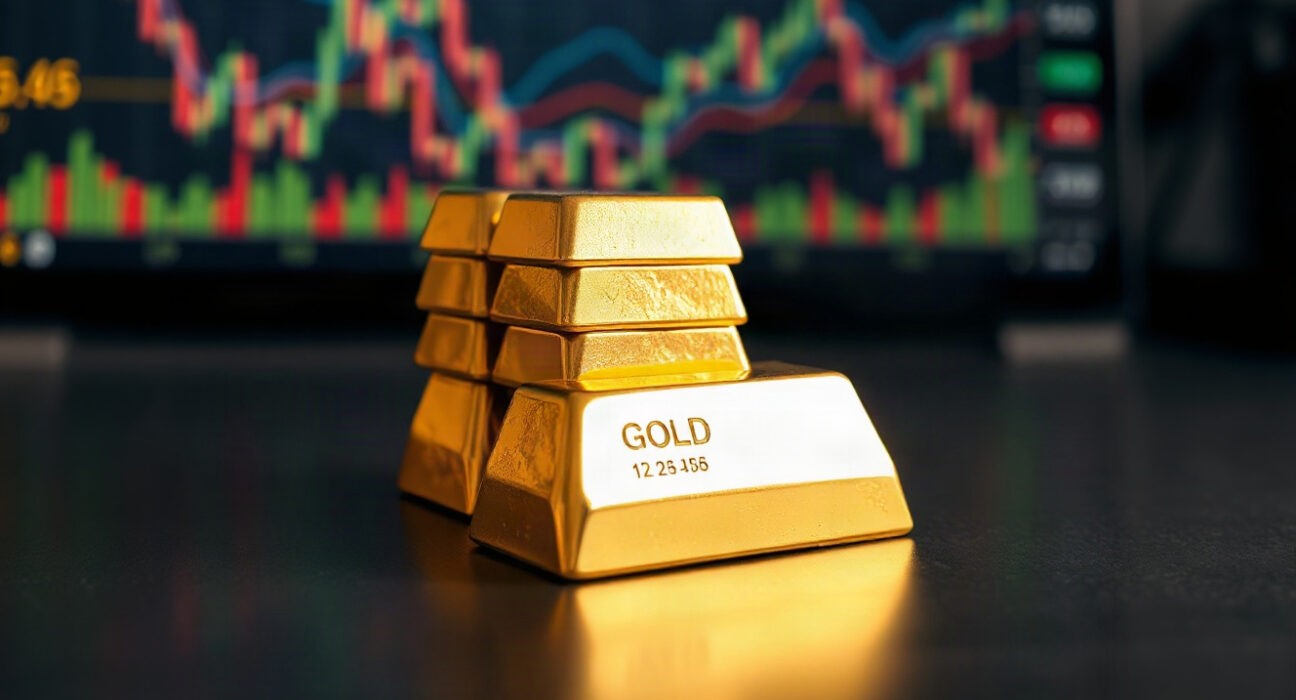
Gold prices have surged to record highs as the U.S. dollar index collapsed to multi-year lows, reflecting a major shift in global investor sentiment toward safe-haven assets. As of [current date], spot gold is trading near $2,400 per ounce, up over 15% year-to-date, while the dollar has fallen 8% against a basket of major currencies. This dramatic move is reshaping currency markets and prompting central banks to accelerate gold purchases.
Why Is Gold Soaring While the Dollar Falls?
The primary driver is the growing expectation that the Federal Reserve will begin cutting interest rates as early as June, reducing the opportunity cost of holding non-yielding bullion. At the same time, persistent geopolitical tensions and concerns about U.S. fiscal deficits have eroded confidence in the dollar, pushing investors toward gold as a store of value. Additionally, central banks, particularly in emerging markets, have been diversifying their reserves away from the greenback, buying gold at the fastest pace in decades.
What Does This Mean for Global Markets?
The dollar’s decline has broad implications: it boosts exports for U.S. companies, raises import prices, and impacts commodity prices worldwide. For emerging markets, a weaker dollar eases debt servicing burdens and supports capital inflows. However, it also signals potential inflationary pressures and uncertainty about the global economic outlook. For investors, the gold rally highlights the importance of portfolio diversification, as traditional correlations between assets are shifting.
Impact on Central Banks and Retail Investors
Central banks have been net buyers of gold for over a decade, with 2023 seeing record purchases of 1,037 tonnes. This trend continues in 2024, as countries like China, India, and Turkey reduce their reliance on the dollar. Retail investors are also piling into gold ETFs and physical bullion, driving prices higher. The sustained demand suggests that the current rally is not merely speculative but reflects a structural change in the global monetary system.
Conclusion
The simultaneous surge in gold and collapse of the dollar underscores a pivotal moment in financial markets. While short-term volatility is likely, the underlying drivers—monetary easing, geopolitical risk, and central bank diversification—suggest a lasting shift. Investors should monitor Fed policy signals and global reserve trends to navigate this evolving landscape.
FAQs
Q1: Is the dollar collapse permanent?
Not necessarily. Currency markets are cyclical, and the dollar could rebound if the Fed maintains higher rates or global risks subside. However, the structural trend of de-dollarization and fiscal concerns may keep pressure on the greenback in the medium term.
Q2: Should I buy gold now?
Gold can be a valuable hedge against inflation and currency devaluation, but it’s important to consider your risk tolerance and investment horizon. Consult a financial advisor to determine if gold fits your portfolio.
Q3: How does a weak dollar affect everyday consumers?
A weaker dollar makes imported goods more expensive, potentially raising prices on electronics, oil, and food. It can also boost U.S. exports by making them cheaper for foreign buyers, which may support domestic manufacturing jobs.
Disclaimer: The information provided is not trading advice, Bitcoinworld.co.in holds no liability for any investments made based on the information provided on this page. We strongly recommend independent research and/or consultation with a qualified professional before making any investment decisions.
