

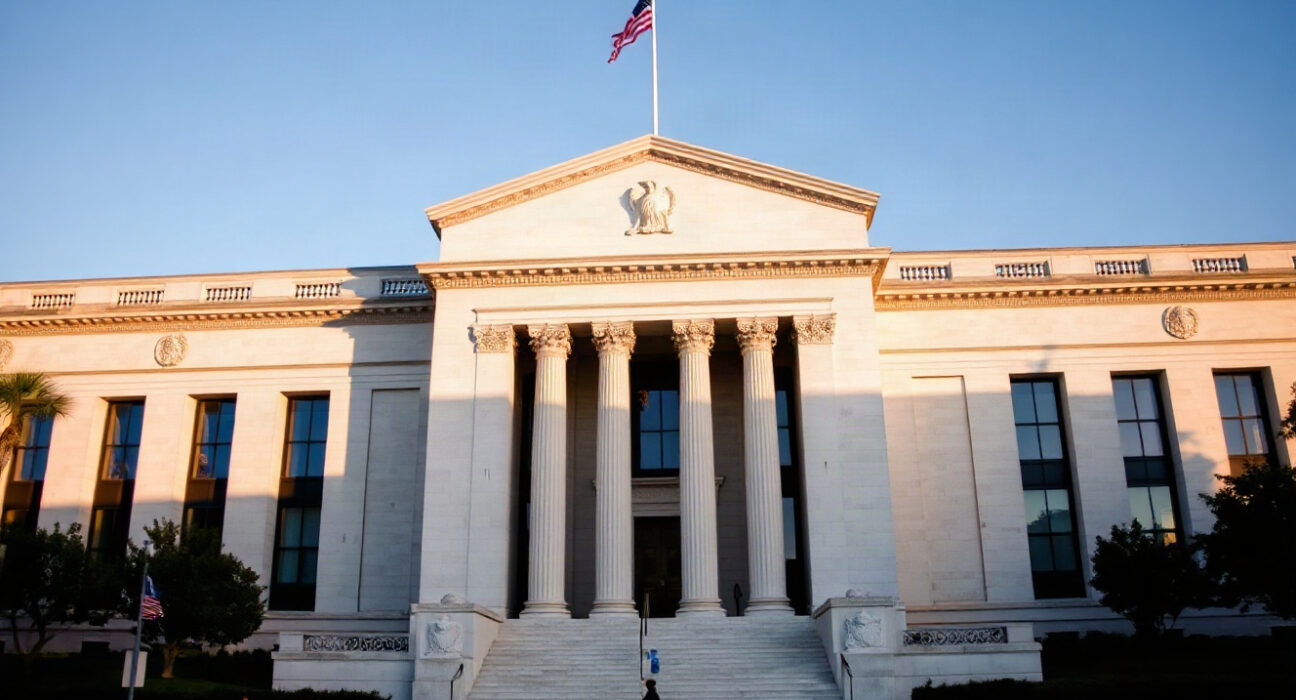
The Federal Reserve’s policy path is increasingly shaped by artificial intelligence-driven inflation dynamics, but the foreign exchange market impact is likely to remain limited, according to a new analysis by MUFG.
AI and inflation: a new challenge for the Fed
MUFG’s report highlights that AI-related investments and productivity gains could influence price pressures in ways that are difficult to model. While some analysts see AI as deflationary over the long term, the near-term effect on demand and investment could add to inflationary pressures, complicating the Fed’s decision-making.
The analysis suggests that the Fed is closely monitoring these trends, as they affect both the inflation outlook and the appropriate stance of monetary policy. However, the report notes that the central bank is likely to look through short-term volatility and focus on underlying trends.
FX impact: muted expectations
Despite the potential for AI to alter the inflation trajectory, MUFG expects the impact on major currency pairs to be contained. The dollar’s direction will depend more on the relative pace of monetary policy among major central banks and global risk sentiment, rather than on AI-specific developments.
The report argues that while AI could influence the Fed’s long-term policy path, it is unlikely to trigger a significant or sustained shift in exchange rates. Market participants have already priced in a gradual normalization of policy, and any surprises would need to be substantial to move FX markets meaningfully.
Why this matters for investors
For investors, the key takeaway is that AI’s impact on inflation is a growing consideration for the Fed, but it is not expected to be a primary driver of currency movements in the near term. This suggests that FX strategies should continue to focus on more traditional macro factors, such as interest rate differentials and economic data.
Conclusion
MUFG’s analysis underscores the complexity of the Fed’s task as it navigates an evolving economic landscape shaped by technological change. While AI poses new risks to the inflation outlook, the immediate FX implications appear limited. The central bank’s credibility and data-dependent approach remain the anchor for market expectations.
FAQs
Q1: How could AI affect inflation according to MUFG?
MUFG suggests AI could have both deflationary and inflationary effects. In the short term, AI-related investment and demand could push prices up, while productivity gains might reduce costs over time. This uncertainty complicates the Fed’s policy decisions.
Q2: Why is the FX impact expected to be limited?
The report argues that currency markets are more driven by relative monetary policy stances and global risk sentiment. AI’s influence on the Fed’s path is gradual, so it is unlikely to cause significant or sustained moves in exchange rates.
Q3: What should investors watch for?
Investors should monitor the Fed’s communications for any changes in how it assesses AI-related inflation risks. Also, keep an eye on economic data and central bank actions in other major economies, as these are likely to have a more immediate impact on FX.
Disclaimer: The information provided is not trading advice, Bitcoinworld.co.in holds no liability for any investments made based on the information provided on this page. We strongly recommend independent research and/or consultation with a qualified professional before making any investment decisions.
