

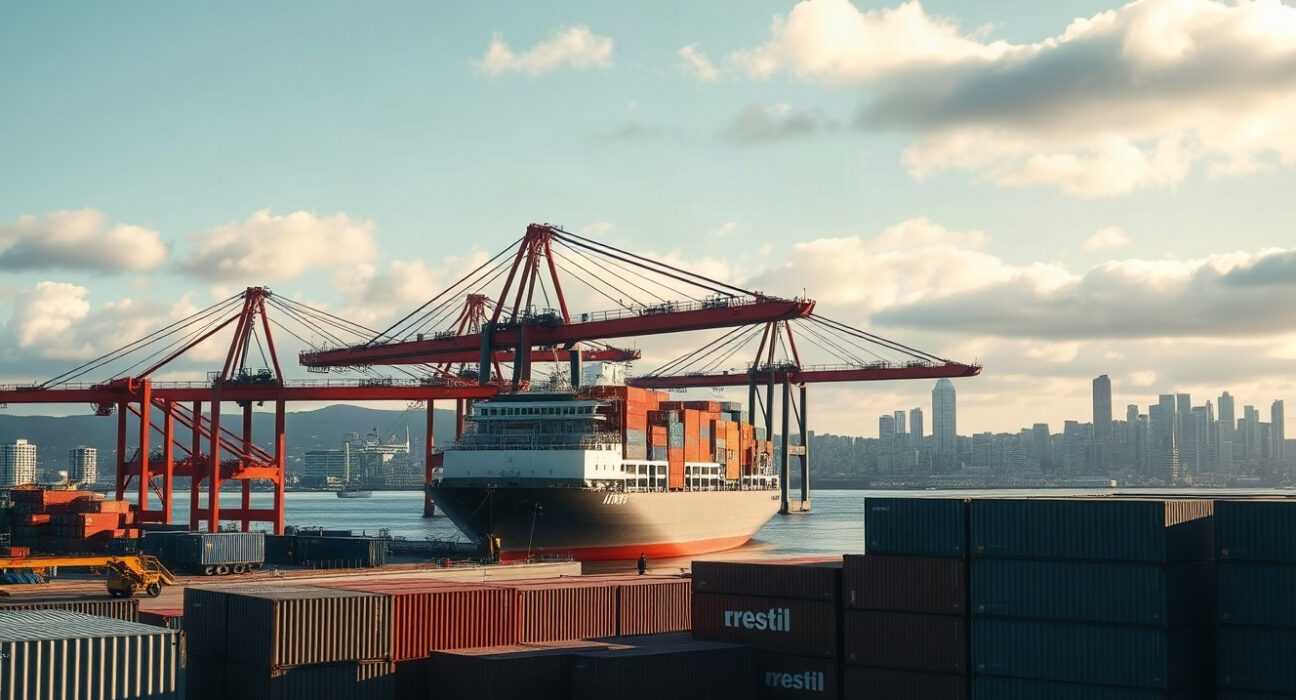
New Zealand’s trade balance (month-on-month, seasonally adjusted) fell sharply to a surplus of NZD 1.95 million in July, down from a revised surplus of NZD 23 million in June, according to official data released today. The dramatic narrowing reflects a slowdown in export growth and a modest uptick in import values, signaling cooling external demand for New Zealand’s key commodities.
What’s Behind the Sharp Decline?
The July trade data shows that export values remained relatively flat, while imports rose slightly, compressing the surplus to near balance. Analysts note that dairy, meat, and forestry exports—New Zealand’s top earners—have faced softer global prices and weaker demand from key partners like China. Meanwhile, imports of machinery, vehicles, and consumer goods have held up, reflecting domestic consumption resilience.
The seasonally adjusted figures strip out typical monthly variations, providing a clearer picture of underlying trends. The swing from NZD 23M to NZD 1.95M is one of the largest month-on-month contractions in recent years, though the surplus remains positive, avoiding a deficit.
Implications for the Economy and Currency
A narrower trade surplus can put downward pressure on the New Zealand dollar (NZD), as it signals reduced net foreign exchange inflows from trade. For the Reserve Bank of New Zealand (RBNZ), the data may reinforce expectations of easing monetary policy, as weaker trade dynamics often coincide with softer economic growth. However, the central bank’s primary focus remains inflation, and the trade balance is only one of many indicators it monitors.
For businesses, the trend suggests that exporters may face continued headwinds, while importers could benefit from stable or slightly lower costs. The near-balanced trade position also highlights New Zealand’s reliance on commodity prices and the health of its trading partners.
Market Reaction and Outlook
Financial markets showed little immediate reaction, as the data largely matched consensus forecasts. The NZD held steady against the US dollar in early trading. Looking ahead, economists expect the trade balance to remain volatile, with potential deficits in coming months if global demand weakens further. The upcoming release of China’s economic data will be closely watched, as China is New Zealand’s largest trading partner.
Conclusion
New Zealand’s trade surplus narrowed to NZD 1.95M in July from NZD 23M in June, driven by softer exports and steady imports. While the surplus remains positive, the sharp decline underscores the challenges facing the export sector and may influence RBNZ policy decisions. Businesses and investors should monitor global commodity prices and demand trends for signals on future trade performance.
FAQs
Q1: What does the trade balance measure?
The trade balance measures the difference between a country’s exports and imports of goods and services over a period. A positive balance (surplus) means exports exceed imports; a negative balance (deficit) means the opposite.
Q2: Why did New Zealand’s trade surplus narrow in July?
The surplus narrowed because export values remained flat or slightly declined, while imports rose modestly. Factors include softer global commodity prices and weaker demand from major trading partners, particularly China.
Q3: How does the trade balance affect the New Zealand dollar?
A narrower surplus or a deficit can weaken the NZD because it implies reduced net foreign exchange inflows from trade. This can influence investor sentiment and the central bank’s policy stance.
Disclaimer: The information provided is not trading advice, Bitcoinworld.co.in holds no liability for any investments made based on the information provided on this page. We strongly recommend independent research and/or consultation with a qualified professional before making any investment decisions.
