

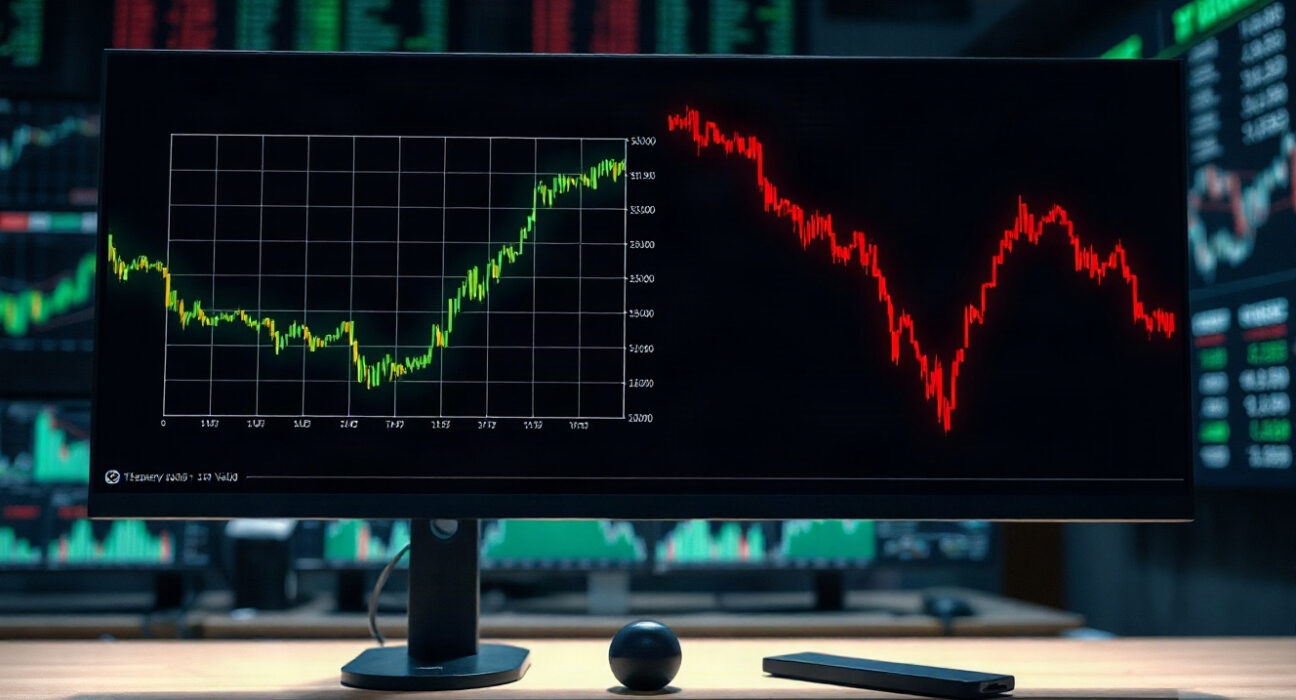
US Treasury yields have been climbing, yet the US dollar has been losing ground, a divergence that has caught the attention of currency and fixed-income markets alike. As of early 2025, the 10-year Treasury yield has risen to multi-month highs, while the dollar index (DXY) has slipped from its recent peaks, prompting investors to reassess the traditional correlation between these two asset classes.
Why Are Yields Rising While the Dollar Falls?
The typical relationship between yields and the dollar is positive: higher yields attract foreign capital, boosting demand for the greenback. However, this correlation has weakened in recent months due to a combination of global factors. One key driver is the market’s growing conviction that the Federal Reserve may be nearing the end of its rate-hiking cycle, even as long-term yields remain elevated due to inflation concerns and heavy Treasury supply. Investors are pricing in rate cuts later this year, which undermines the dollar’s interest rate advantage, even as nominal yields stay high.
Another factor is the synchronized recovery of other major economies, particularly in Europe and Asia. As growth prospects improve abroad, investors are diversifying away from US assets, reducing the dollar’s safe-haven appeal. Additionally, central banks in other countries, such as the European Central Bank and the Bank of Japan, are maintaining or even tightening their own monetary policies, narrowing the policy gap with the US.
What Does This Mean for Global Markets?
The divergence has significant implications for global capital flows, emerging market currencies, and commodity prices. A weaker dollar generally supports emerging market assets and commodities priced in dollars, such as oil and gold, as they become cheaper for foreign buyers. For multinational corporations, a softer dollar can boost overseas earnings when converted back to USD.
Impact on Investors and Consumers
For US investors, the combination of rising yields and a falling dollar can create a mixed environment. Bond investors may see higher yields as a positive for income, but the dollar’s decline could erode the real return for international investors. Conversely, US exporters may benefit from a weaker dollar, making their goods more competitive globally. Consumers, meanwhile, may face higher import prices, which could feed into inflation, a concern that the Fed is closely monitoring.
Conclusion
The current disconnect between rising US yields and a falling dollar underscores the complexity of modern global finance. While the historical correlation has been a reliable guide, shifting monetary policy expectations and international growth dynamics are challenging old assumptions. Investors should watch upcoming Fed meetings and economic data releases for further clarity, as the direction of both yields and the dollar will remain a critical driver for markets in the coming months.
FAQs
Q1: Why do US Treasury yields and the dollar usually move together?
Higher Treasury yields typically attract foreign investors seeking better returns, which increases demand for US dollars and strengthens the currency. This is why the two often move in tandem.
Q2: What could cause the dollar to fall even if yields remain high?
If markets expect the Federal Reserve to cut rates in the future, or if other economies show stronger growth and higher relative yields, investors may shift capital away from the dollar, weakening it despite current high yields.
Q3: How does a falling dollar affect global trade?
A weaker dollar makes US exports cheaper and imports more expensive, potentially reducing the trade deficit. It also benefits foreign holders of dollar-denominated debt and can boost commodity prices, which are typically priced in dollars.
Disclaimer: The information provided is not trading advice, Bitcoinworld.co.in holds no liability for any investments made based on the information provided on this page. We strongly recommend independent research and/or consultation with a qualified professional before making any investment decisions.
