

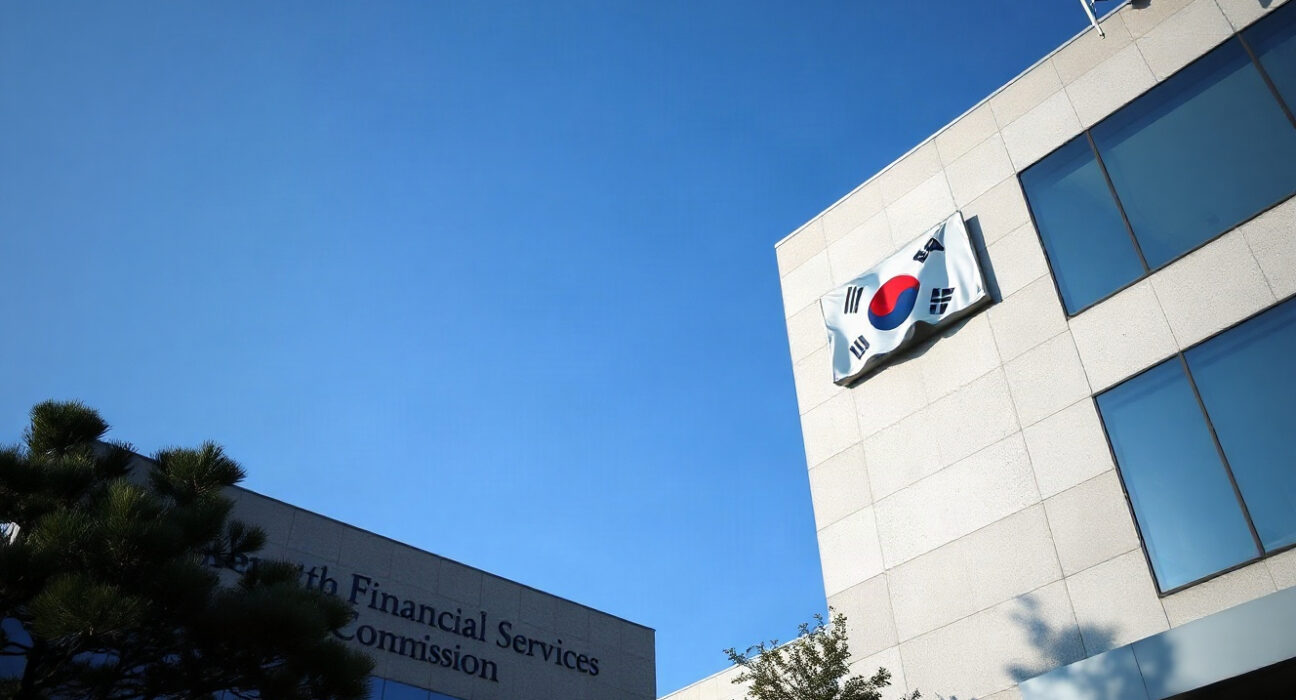
South Korea’s top financial regulator has confirmed that the government will intensify discussions on a second-phase digital asset bill focused on stablecoins, signaling a major step toward formalizing the legal framework for the country’s crypto market. Financial Services Commission (FSC) Chairman Lee Eog-weon made the remarks during a full session of the National Policy Committee on August 24, as reported by Edaily.
Regulatory Momentum Builds
The announcement comes in response to a query from Democratic Party lawmaker Lee Kang-il, underscoring the growing political attention on digital asset regulation. Chairman Lee stated that the FSC would make every effort to submit its proposal to the government in the fall, suggesting that the legislative process could move quickly in the coming months.
South Korea has been progressively building its crypto regulatory framework. The first phase, which focused on user protection and market integrity, took effect in July 2024, requiring crypto service providers to safeguard user assets and enhance transparency. The second-phase bill, now under accelerated discussion, aims to address stablecoins specifically—a sector that has drawn global scrutiny due to its potential impact on financial stability and consumer protection.
Why Stablecoin Regulation Matters
Stablecoins, which are pegged to traditional currencies like the US dollar, have become integral to crypto trading and payments. However, their rapid growth has raised concerns among regulators worldwide about reserve transparency, redemption rights, and systemic risks. By establishing a clear legal framework, South Korea aims to mitigate these risks while fostering innovation in its digital asset industry.
Global Context and Market Implications
The move aligns with broader international efforts to regulate stablecoins. The European Union’s Markets in Crypto-Assets (MiCA) regulation, which came into force in 2024, includes specific provisions for stablecoin issuers, while the United States has seen ongoing legislative debates on the issue. South Korea’s proactive stance could position it as a leader in Asian crypto regulation, potentially influencing regional standards.
For market participants, the new bill is likely to introduce requirements such as reserve asset management, disclosure obligations, and licensing for stablecoin issuers. These measures could increase operational costs but also enhance legitimacy and trust, attracting institutional investors who have been cautious due to regulatory uncertainty.
Conclusion
South Korea’s commitment to advancing stablecoin legislation reflects a pragmatic approach to digital asset regulation—balancing innovation with investor protection. As the FSC prepares to submit its proposal this fall, stakeholders across the crypto ecosystem will be watching closely, as the outcome could set a precedent for other jurisdictions. The coming months will be critical in shaping the legal landscape for stablecoins in one of the world’s most active crypto markets.
FAQs
Q1: What is the current status of South Korea’s digital asset regulation?
The first-phase law, effective since July 2024, focuses on user protection and market integrity. The second-phase bill, now under discussion, will specifically address stablecoins.
Q2: Why are stablecoins a regulatory priority?
Stablecoins are widely used in trading and payments, but their growth raises concerns about reserve transparency, redemption rights, and systemic risks, prompting regulators to establish clear rules.
Q3: How might the new bill affect stablecoin issuers and users?
The bill is expected to introduce requirements like reserve management, disclosure, and licensing, which could increase compliance costs but also enhance market trust and attract institutional participation.
Disclaimer: The information provided is not trading advice, Bitcoinworld.co.in holds no liability for any investments made based on the information provided on this page. We strongly recommend independent research and/or consultation with a qualified professional before making any investment decisions.
