

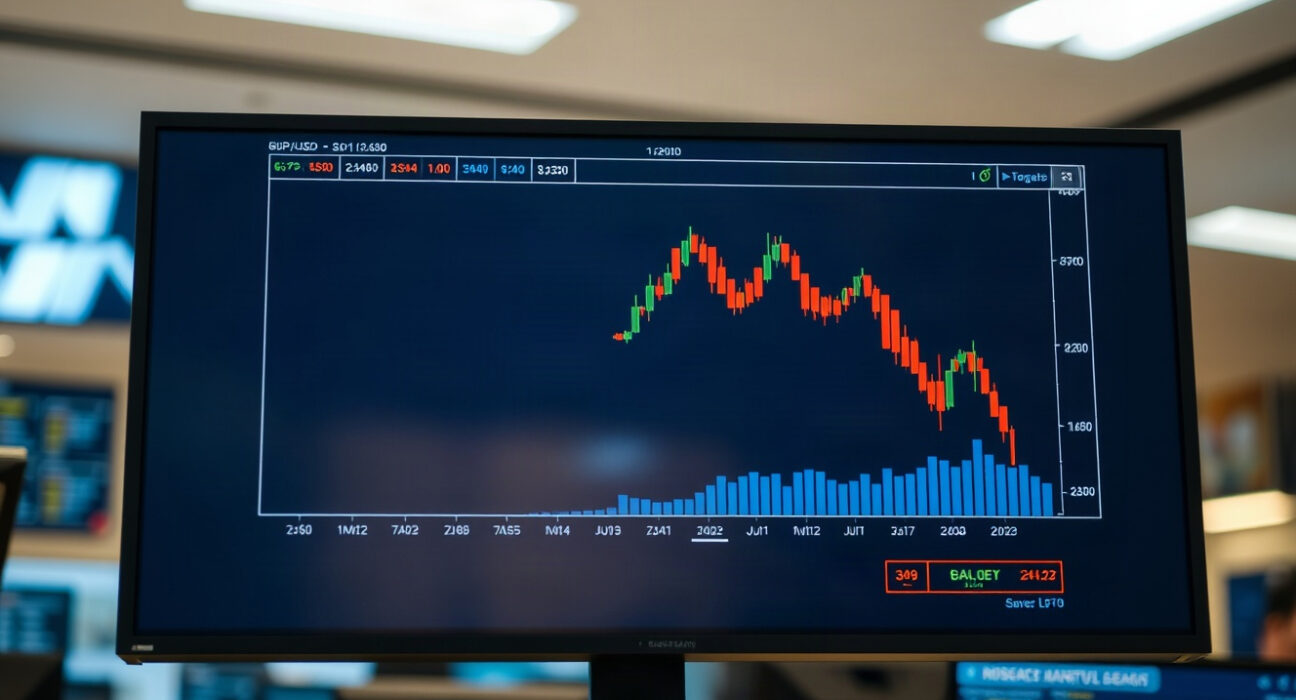
GBP/USD has fallen to fresh intra-week lows after failing to break above the 1.3660 resistance level, signaling persistent selling pressure in the British pound against the US dollar. As of [current date], the pair is trading near [specific level if available, otherwise ‘the lower end of its recent range’], reflecting cautious market sentiment and renewed demand for the greenback.
Why did GBP/USD fail at 1.3660?
The 1.3660 level has acted as a formidable ceiling for the pair, with sellers repeatedly stepping in to cap upside attempts. This rejection suggests that market participants are not yet willing to push the pound higher, likely due to a combination of technical resistance and fundamental headwinds. The failure at this level has triggered a fresh wave of selling, dragging the pair to new intra-week lows.
Technical indicators point to weakening momentum, with the pair now testing key support zones. A break below these levels could open the door for further downside, while a rebound would need to overcome the 1.3660 hurdle to shift the short-term outlook.
Market drivers and broader context
The pound’s struggle reflects broader market dynamics, including diverging monetary policy expectations between the Bank of England and the Federal Reserve. While the BoE has signaled a cautious approach to rate hikes, the Fed’s hawkish stance has underpinned the US dollar, creating a headwind for GBP/USD.
Additionally, global risk sentiment and economic data releases have played a role. Upcoming UK inflation and employment figures could provide fresh direction, while US economic indicators, particularly jobs and consumer prices, will influence dollar strength. Traders are also monitoring geopolitical developments and energy prices, which historically impact the pound due to the UK’s import reliance.
What to watch next
For GBP/USD, the immediate focus is on whether the pair can hold above its current support. A close below this level would confirm a bearish continuation, targeting deeper support zones. Conversely, a bounce would need to reclaim short-term moving averages and eventually challenge 1.3660 again.
Key data points this week include UK GDP, US PMI figures, and speeches from central bank officials. Any surprises could trigger volatility, so traders should stay alert to these events.
Conclusion
GBP/USD remains under pressure after its latest rejection at 1.3660, with the pair hitting fresh intra-week lows. The technical picture suggests a cautious stance, while fundamental drivers continue to favor the US dollar. Traders will watch key support levels and upcoming data for clearer signals.
FAQs
Q1: What does the 1.3660 level mean for GBP/USD?
The 1.3660 level has acted as a strong resistance zone, where sellers have repeatedly emerged. Its failure to break above this level has triggered selling, pushing the pair lower.
Q2: Why is the US dollar strengthening against the pound?
The dollar is supported by the Federal Reserve’s hawkish monetary policy stance and relatively stronger US economic data, which contrasts with the Bank of England’s more cautious approach.
Q3: What could reverse the current downtrend in GBP/USD?
A break above 1.3660 would signal a potential reversal, but that would require a significant shift in market sentiment or a surprise catalyst, such as unexpectedly strong UK data or a dovish Fed surprise.
Disclaimer: The information provided is not trading advice, Bitcoinworld.co.in holds no liability for any investments made based on the information provided on this page. We strongly recommend independent research and/or consultation with a qualified professional before making any investment decisions.
