

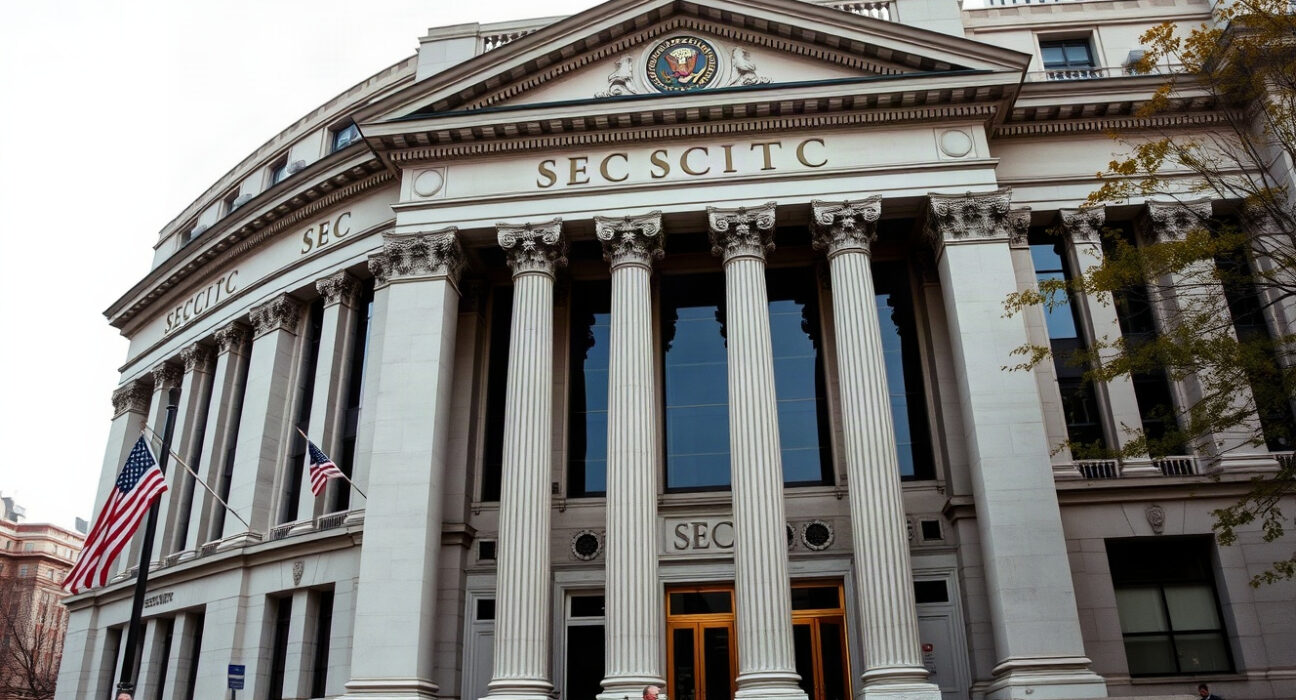
The U.S. Securities and Exchange Commission (SEC) has submitted a proposed rule revision on digital asset custody to the White House Office of Management and Budget (OMB), marking a significant step toward modernizing how investment advisers and investment companies hold client crypto assets. Bloomberg reported the development, which signals that the Trump administration’s crypto-friendly agenda is translating into concrete regulatory action.
What the Proposal Entails
The draft rule aims to clarify custody standards for digital assets held by investment advisers and investment companies, providing institutions with clearer guidance on safely holding crypto without running afoul of existing SEC regulations. It also seeks to scrap a broad set of outdated requirements that have lagged behind market changes, according to sources familiar with the matter.
The revision is part of a regulatory modernization push led by SEC Chairman Paul Atkins, who has prioritized aligning agency rules with the realities of digital asset markets. If approved, the new framework would replace legacy custody provisions that many industry participants have criticized as ambiguous or ill-suited for crypto’s unique characteristics, such as private key management and blockchain-based transfers.
Next Steps in the Approval Process
Following the OMB review, the proposal will be made public after a vote by the three Republican SEC commissioners. It would then move through at least a 60-day public comment period and a final revote before taking effect. This timeline means the rule could be finalized later this year, depending on the pace of the comment process and any revisions.
The OMB review is a routine but essential step in federal rulemaking, ensuring that the proposal aligns with broader administration priorities. Bloomberg noted that the move suggests the Trump administration’s crypto-friendly policy is being translated into concrete regulatory action even as legislation in Congress remains pending.
Why This Matters for the Crypto Industry
For investment advisers and funds, the revised custody rule could reduce legal uncertainty and operational costs. Currently, many firms struggle to reconcile existing custody requirements with the practical realities of holding digital assets, often relying on state-level guidance or costly special-purpose custodians. A clear federal framework would likely encourage more institutional participation in crypto markets, as firms gain confidence in compliance.
Industry observers also see this as a positive signal for broader regulatory clarity. While Congress debates comprehensive crypto legislation, the SEC’s rulemaking process offers a parallel path to address specific issues like custody, which is critical for investor protection and market integrity.
Conclusion
The SEC’s submission of a digital asset custody rule revision to the White House marks a concrete step toward modernizing how institutions handle crypto assets. While the proposal still faces several hurdles, including public comment and final approval, its progress reflects a shifting regulatory landscape under Chairman Atkins. For market participants, the prospect of clearer custody standards is a welcome development that could pave the way for more institutional engagement with digital assets.
FAQs
Q1: What is the SEC’s digital asset custody rule?
The rule governs how investment advisers and investment companies must safeguard client digital assets. The proposed revision aims to update these standards to better fit the unique nature of crypto, such as private key management and blockchain transfers.
Q2: How long will the rule take to become effective?
After the OMB review, the proposal will be published for public comment, which lasts at least 60 days. Following the comment period, the SEC will hold a final vote. If approved, the rule could take effect later this year or in early 2026, depending on the process.
Q3: Why is this rule important for the crypto market?
Clearer custody standards reduce legal uncertainty for institutions, potentially encouraging more mainstream investment in digital assets. It also enhances investor protection by establishing explicit requirements for safeguarding assets.
Disclaimer: The information provided is not trading advice, Bitcoinworld.co.in holds no liability for any investments made based on the information provided on this page. We strongly recommend independent research and/or consultation with a qualified professional before making any investment decisions.
