

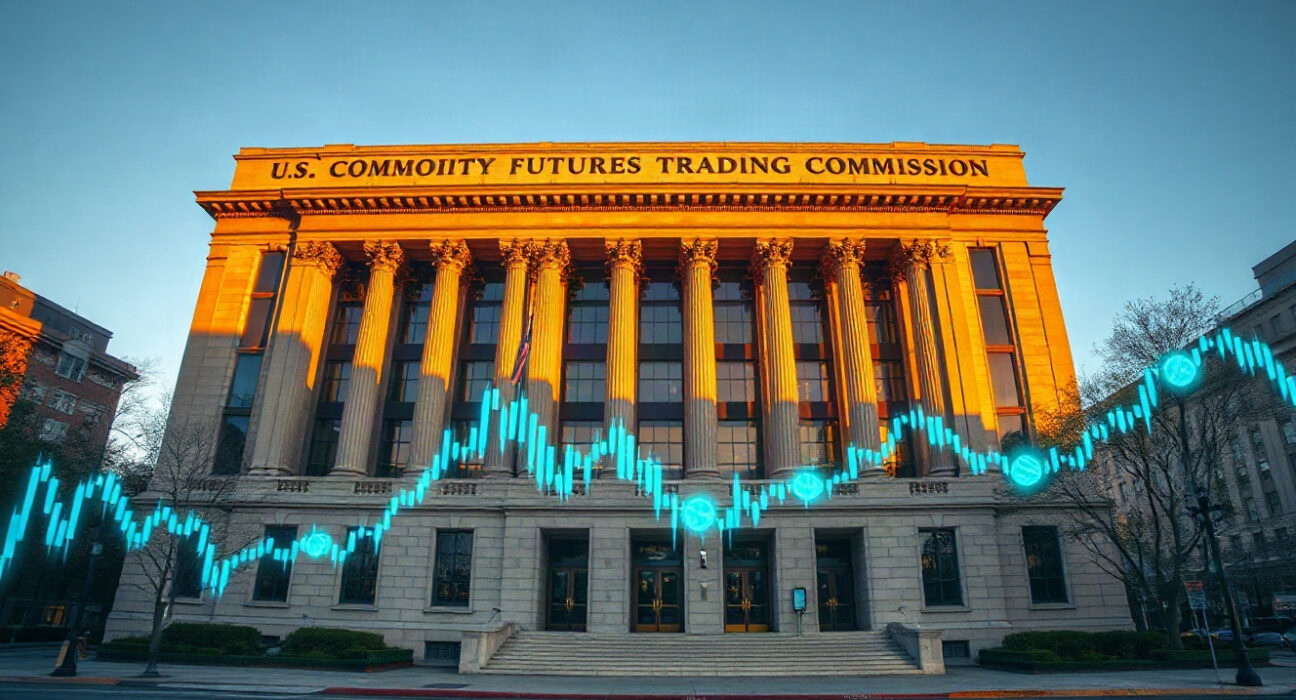
The Hyperliquid Policy Center (HPC) and tradeXYZ, a third-party market deployer on the Hyperliquid network, have formally petitioned the U.S. Commodity Futures Trading Commission (CFTC) to permit energy perpetual futures contracts in the United States. In a joint comment letter, the two entities propose a compliant framework that would allow 24/7 trading of crude oil and natural gas perpetual contracts, while also urging the regulator to accept stablecoins and tokenized traditional assets as margin and to recognize on-chain infrastructure in trading, clearing, and settlement.
What the proposal seeks
The comment letter, submitted in response to the CFTC’s ongoing review of digital asset derivatives, outlines a vision for integrating blockchain-based trading with traditional commodity markets. The key asks include:
- Approval for energy perpetual futures, which are derivative contracts without an expiry date, allowing traders to hold positions indefinitely while paying or receiving funding rates.
- Recognition of stablecoins and tokenized versions of traditional assets (such as tokenized U.S. Treasuries) as acceptable margin collateral.
- Formal acknowledgment of on-chain systems for trade execution, clearing, and settlement, provided they meet regulatory standards.
This move reflects a broader push by crypto firms to gain regulatory clarity in the U.S., particularly for products that have thrived in offshore markets.
Why energy perpetuals matter
Perpetual futures are already a dominant product in crypto trading, but their application to traditional commodities like oil and gas is relatively new. Energy perpetuals would enable market participants to hedge or speculate on price movements around the clock, unlike traditional futures which operate during set exchange hours. The 24/7 nature aligns with global energy markets, which are influenced by events across time zones.
However, the CFTC has historically been cautious about expanding access to such products, citing concerns about market manipulation, investor protection, and systemic risk. The proposal attempts to address these by suggesting on-chain transparency and programmable compliance.
Digital asset margin: a step toward integration
One of the more significant requests is the use of stablecoins and tokenized assets as margin. Currently, futures margin is typically held in fiat or short-term Treasuries. Allowing digital assets could lower barriers for crypto-native traders and increase liquidity, but it also raises questions about custody, volatility, and the legal status of tokenized securities.
The CFTC has already taken steps in this direction, having approved some clearinghouses to accept non-cash collateral, but widespread adoption remains uncertain.
Regulatory context and industry implications
The letter comes at a time when the CFTC is under pressure to clarify its stance on digital assets, especially after recent enforcement actions and the passage of the Financial Innovation and Technology for the 21st Century Act (FIT21) in the House. The agency has also launched a pilot program for digital asset markets, indicating a willingness to explore new models.
If approved, the proposal could set a precedent for other crypto-native platforms to offer regulated derivatives in the U.S., potentially reshaping the competitive landscape. It would also signal a shift toward embracing blockchain technology for mainstream financial infrastructure.
Conclusion
The joint comment letter by Hyperliquid Policy Center and tradeXYZ represents a concrete effort to bridge the gap between decentralized finance and traditional commodity regulation. While the CFTC has yet to respond, the proposal highlights the growing demand for 24/7 trading and digital asset integration in regulated markets. The outcome will be closely watched by both the crypto industry and traditional financial institutions, as it could influence the future of derivatives trading in the United States.
FAQs
Q1: What are energy perpetual futures?
Energy perpetual futures are derivative contracts tied to commodities like crude oil or natural gas, but unlike traditional futures, they have no expiration date. Traders can hold positions indefinitely, with periodic funding payments exchanged between long and short positions to keep the contract price aligned with the underlying asset.
Q2: Why is CFTC approval needed?
The CFTC regulates futures and swaps markets in the U.S. Any new derivative product offered to U.S. customers must be approved or exempted by the agency. Without CFTC approval, offering such products to U.S. residents would be illegal.
Q3: What are the main concerns about allowing digital assets as margin?
Regulators worry about the volatility of digital assets, which could lead to rapid margin calls and potential defaults. There are also concerns about custody, market manipulation, and the legal classification of tokenized assets. The proposal suggests that on-chain transparency could mitigate some of these risks, but the CFTC must weigh these benefits against potential systemic risks.
Disclaimer: The information provided is not trading advice, Bitcoinworld.co.in holds no liability for any investments made based on the information provided on this page. We strongly recommend independent research and/or consultation with a qualified professional before making any investment decisions.
