

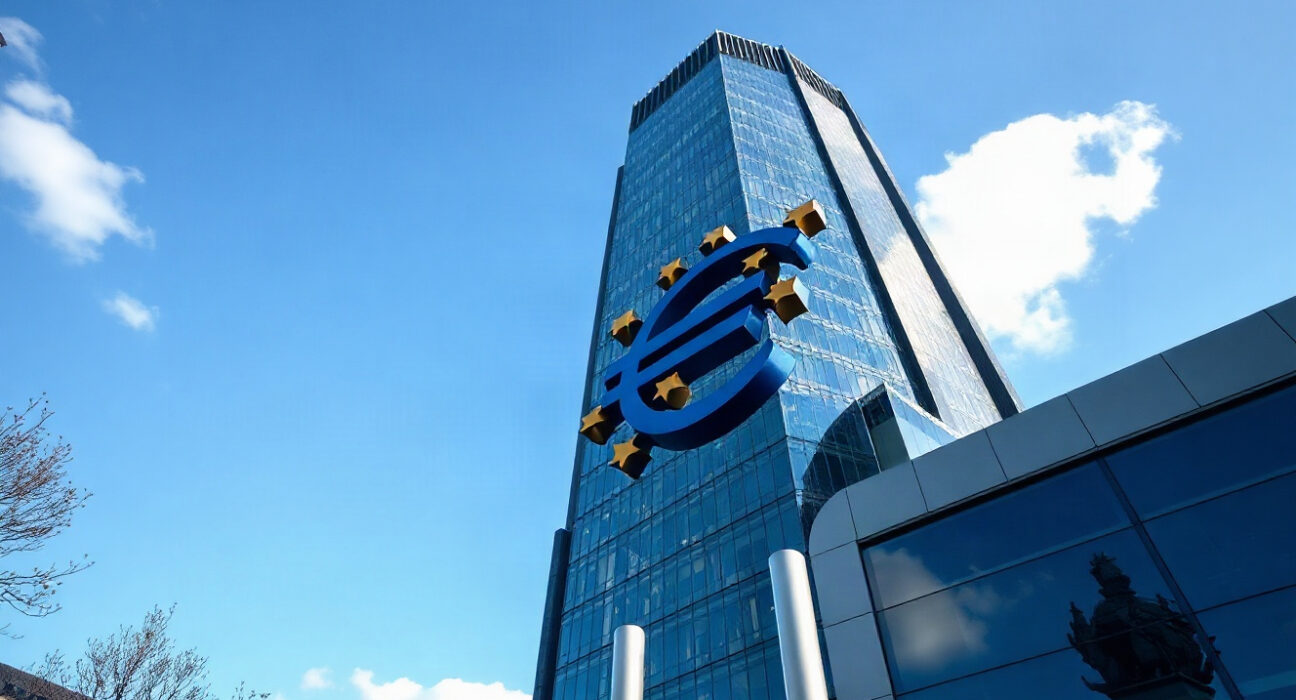
The European Central Bank (ECB) is increasingly likely to raise interest rates at its September meeting, according to a new analysis from Nordea, as inflation pressures persist and wage growth remains robust.
What’s behind Nordea’s view?
Nordea’s assessment, shared in a note to clients, points to a combination of factors that strengthen the case for a September move. The bank notes that underlying inflation, which strips out volatile food and energy prices, has been slow to cool, while negotiated wage growth continues to run above levels consistent with the ECB’s 2% target.
The analysis comes as markets have been wavering on the likelihood of another hike. As of early this week, investors priced in roughly a 60% chance of a 25-basis-point increase at the September 14 meeting, according to Refinitiv data. Nordea’s view adds weight to the hawkish camp, suggesting that the ECB’s “data-dependent” approach may soon tip toward action.
Market and economic implications
A September hike would bring the ECB’s deposit rate to 4.00%, the highest level since the euro was introduced. That would have immediate effects on borrowing costs for households and businesses across the 20-nation currency bloc, potentially dampening economic growth but also reinforcing the ECB’s commitment to price stability.
For investors, the implications are significant. Euro-area government bond yields have already risen in anticipation, with the German 10-year Bund yield hovering near 2.6% in recent sessions. A confirmed hike could push yields higher, affecting everything from mortgage rates to corporate financing conditions.
Why this matters to you
If you hold a euro-denominated mortgage or have investments in European stocks or bonds, the ECB’s decision directly affects your finances. Higher rates mean more expensive borrowing, but they also tend to strengthen the euro and can offer better returns on savings accounts. For businesses, the cost of capital rises, which may slow hiring and investment.
Beyond the immediate financial impact, the September decision will signal how the ECB balances its fight against inflation with the risk of tipping the economy into recession. The euro area barely grew in the second quarter, and a further hike could intensify the slowdown.
Conclusion
Nordea’s call adds to the growing conviction that the ECB will deliver another rate increase in September. While the final decision rests on upcoming data, including August inflation figures due at the end of the month, the balance of evidence increasingly points to action. For now, markets and households should prepare for the possibility of higher rates for longer.
FAQs
Q1: When is the ECB’s next policy meeting?
The ECB’s Governing Council is scheduled to meet on September 14, 2023. The decision will be announced at 14:15 CET, followed by a press conference.
Q2: What would a September rate hike mean for euro area inflation?
A 25-basis-point hike would raise the deposit rate to 4.00%, which is intended to further cool demand and bring inflation back to the 2% target. However, the full effect on prices typically takes 12-18 months to materialize.
Q3: How does Nordea’s view compare with other banks?
Nordea is among several institutions that see a high likelihood of a September hike, but not all agree. Some economists, particularly those at UBS and Goldman Sachs, expect the ECB to pause after the July increase, citing signs of economic weakness. The divergence underscores the uncertainty surrounding the decision.
Disclaimer: The information provided is not trading advice, Bitcoinworld.co.in holds no liability for any investments made based on the information provided on this page. We strongly recommend independent research and/or consultation with a qualified professional before making any investment decisions.
