

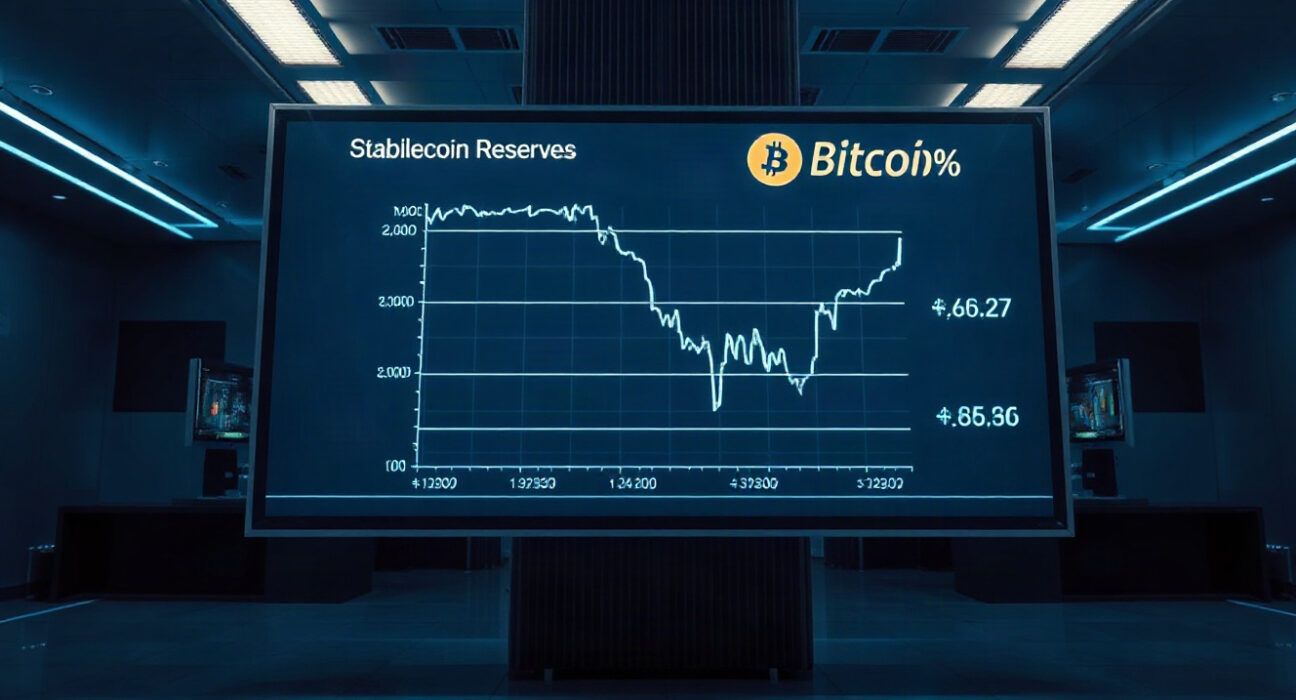
Stablecoin holdings on cryptocurrency exchanges have fallen significantly since late 2025, signaling a shift in market liquidity dynamics. According to a recent analysis by AMBCrypto, the total stablecoin balance across exchanges dropped to approximately $64 billion, down from about $80 billion at the end of 2025 — a decline of roughly 20%. This reduction suggests that less capital is now sitting on the sidelines, waiting to be deployed into the market.
What the Decline in Exchange Stablecoin Balances Means
Stablecoins such as USDT and USDC are often used by traders as a ready source of buying power. When balances on exchanges are high, it typically indicates that investors are preparing to purchase assets. Conversely, a drop in these balances can imply that funds have been withdrawn to cold storage, moved to DeFi protocols, or converted into other cryptocurrencies. The 20% decrease observed in recent months may reflect a variety of factors, including profit-taking, reduced trading activity, or a strategic shift by institutional investors toward over-the-counter (OTC) markets.
It is important to note that this is not necessarily a bearish signal. A decline in exchange stablecoin reserves can also mean that investors are holding their assets off-exchange, which could reduce immediate selling pressure. However, it does indicate a reduction in the ready liquidity that often fuels short-term price movements.
Binance’s Growing Share of Stablecoin Reserves
Alongside the overall decline, Binance’s share of total exchange stablecoin balances has increased to 68.5%, up from roughly 60% at the end of 2025. This concentration suggests that while overall liquidity has contracted, a larger portion of the remaining stablecoin reserves is now held on the world’s largest exchange by trading volume. As a result, Binance’s stablecoin inflows and outflows have become an even more critical indicator for tracking when exchange buying power may re-enter the market.
This trend could be driven by several factors. Binance’s deep liquidity and wide range of trading pairs make it a preferred venue for large traders. Additionally, the exchange has introduced various incentives and launchpad opportunities that attract stablecoin deposits. For market observers, monitoring Binance’s stablecoin netflows can provide early signals of potential market moves, as significant inflows often precede buying activity.
Why This Matters for Crypto Traders
For traders and investors, understanding where stablecoin liquidity is concentrated is essential for gauging market sentiment. The reduction in exchange balances suggests that the pool of readily available capital for crypto purchases has shrunk. However, the increasing concentration on Binance means that a single platform now holds outsized influence over liquidity dynamics. If Binance were to experience a sudden influx or outflow of stablecoins, the impact on prices could be more pronounced than in the past.
Moreover, this shift may also reflect broader market conditions, including regulatory developments and changing investor behavior. For instance, if institutional investors are moving stablecoins to custody solutions or using them in DeFi yield strategies, that would explain the decline in exchange reserves.
Conclusion
The 20% decline in exchange stablecoin balances since late 2025, coupled with Binance’s growing dominance, highlights a significant transformation in crypto market liquidity. While the exact implications for price direction remain uncertain, the data underscores the importance of monitoring Binance’s stablecoin flows as a key indicator of potential buying pressure. As the market evolves, these metrics will likely continue to be a focal point for analysts and traders alike.
FAQs
Q1: What does a drop in stablecoin exchange balances indicate?
A decline in stablecoin balances on exchanges generally means there is less capital readily available for purchasing cryptocurrencies. This could result from investors moving funds to cold storage, using them in DeFi, or converting to other assets. It does not necessarily predict a price drop, but it does signal reduced immediate buying power.
Q2: Why is Binance’s share of stablecoin balances important?
Binance’s share is significant because it is the largest exchange by trading volume. A higher concentration of stablecoins on Binance means that its inflows and outflows can have a outsized impact on market liquidity and prices. Monitoring these flows can offer early clues about potential market moves.
Q3: Could the decline in stablecoin reserves be a bearish signal?
Not necessarily. While lower exchange reserves mean less ready capital for buying, it could also indicate that investors are holding assets for the long term or using them elsewhere. The overall market impact depends on the reasons behind the withdrawals and broader market sentiment.
Disclaimer: The information provided is not trading advice, Bitcoinworld.co.in holds no liability for any investments made based on the information provided on this page. We strongly recommend independent research and/or consultation with a qualified professional before making any investment decisions.
