

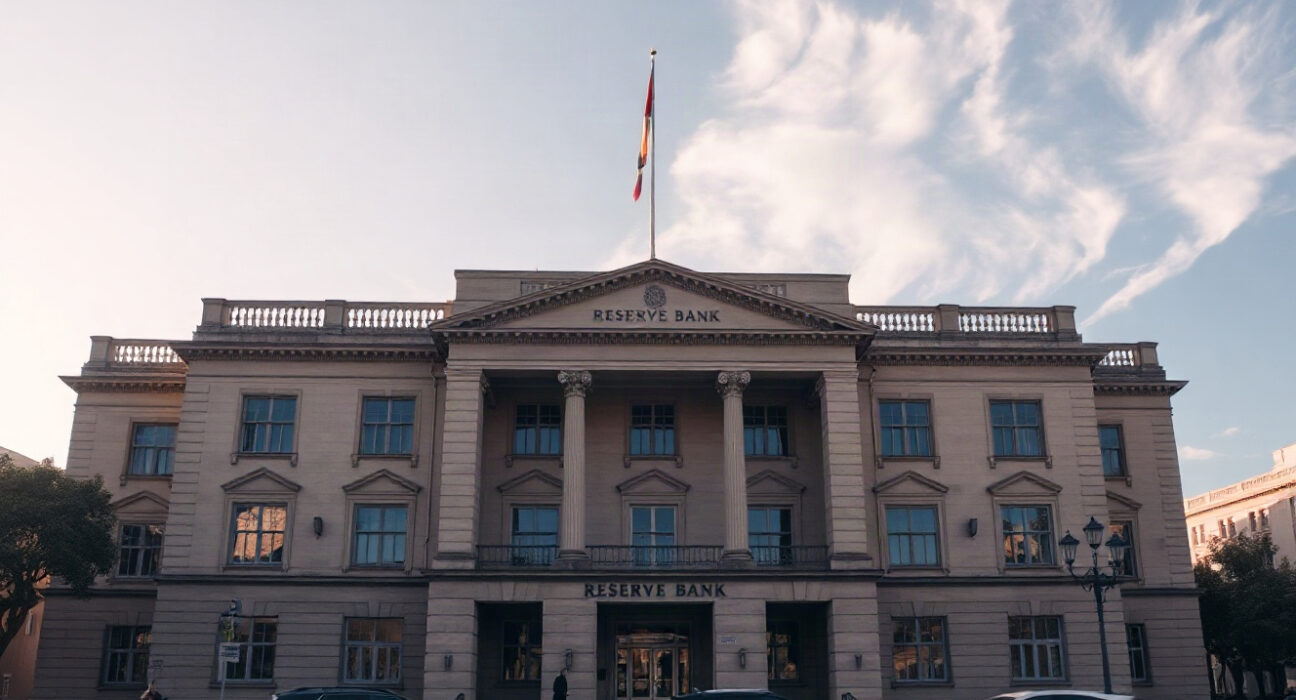
South Africa’s private sector credit growth decelerated to 7.41% year-on-year in July, down from a revised 7.8% in June, according to data released by the South African Reserve Bank (SARB) on Wednesday. The slowdown signals a cooling in borrowing demand as households and businesses continue to grapple with elevated interest rates and persistent inflationary pressures.
What the Latest Credit Figures Show
The July reading reflects a moderation in credit extension to the private sector, which includes loans to households and corporations. On a monthly basis, credit growth eased, though the SARB did not provide a seasonally adjusted monthly figure in the initial release. The decline from June’s 7.8% suggests that the cumulative effect of the SARB’s tightening cycle—which has held the repo rate at 8.25% since May 2023—is gradually dampening credit uptake.
Household credit growth, a key component, likely softened due to reduced demand for mortgages and personal loans, while corporate credit also showed signs of slowing as businesses delay expansion plans amid weak economic momentum. The broader M3 money supply growth, a measure of total money in the economy, also eased, aligning with the trend in credit deceleration.
Why This Matters for the Economy
The slowdown in private sector credit is a critical indicator for policymakers and market participants. It reflects the transmission of monetary policy: as borrowing costs remain high, consumers and firms become more cautious, which can help cool inflation but also risks stifling economic growth. South Africa’s GDP growth has been sluggish, with the economy expanding only 0.6% in the first quarter of 2024, and weaker credit growth could further constrain domestic demand.
For the SARB, the easing in credit may support the case for eventual rate cuts later this year, especially if inflation continues to trend toward the midpoint of the 3%-6% target range. However, the central bank has emphasized that it remains data-dependent, and any decision will hinge on inflation expectations and global financial conditions.
Implications for Consumers and Businesses
For households, slower credit growth means banks are either tightening lending standards or borrowers are less willing to take on new debt. This could translate into reduced access to financing for big-ticket purchases like homes and cars. For businesses, particularly small and medium enterprises, the credit squeeze may limit investment in inventory or expansion, potentially weighing on job creation.
Investors watch these figures closely as they offer clues about the trajectory of monetary policy and the health of the financial sector. A sustained decline in credit growth could prompt the SARB to pivot toward accommodation, which would be a positive signal for bond and equity markets.
Conclusion
The July decline in private sector credit growth to 7.41% underscores the ongoing impact of restrictive monetary policy on South Africa’s economy. While this cooling may help tame inflation, it also poses risks to growth. The SARB’s next policy meeting, scheduled for September, will be closely scrutinized for any shift in stance as the bank balances price stability with supporting economic activity.
FAQs
Q1: What is private sector credit growth?
Private sector credit growth measures the year-on-year change in the total amount of credit extended by banks and other financial institutions to households and businesses. It is a key indicator of borrowing activity and economic momentum.
Q2: Why did private sector credit growth slow in July?
The slowdown is primarily attributed to the high interest rate environment, with the SARB’s repo rate at 8.25%, which discourages borrowing. Additionally, weak economic growth and consumer caution have reduced demand for credit.
Q3: What does this mean for interest rates?
The easing in credit growth may increase the likelihood of the SARB cutting rates later in 2024, but the central bank will also consider inflation trends and global factors. No immediate change is expected at the upcoming September meeting.
Disclaimer: The information provided is not trading advice, Bitcoinworld.co.in holds no liability for any investments made based on the information provided on this page. We strongly recommend independent research and/or consultation with a qualified professional before making any investment decisions.
