

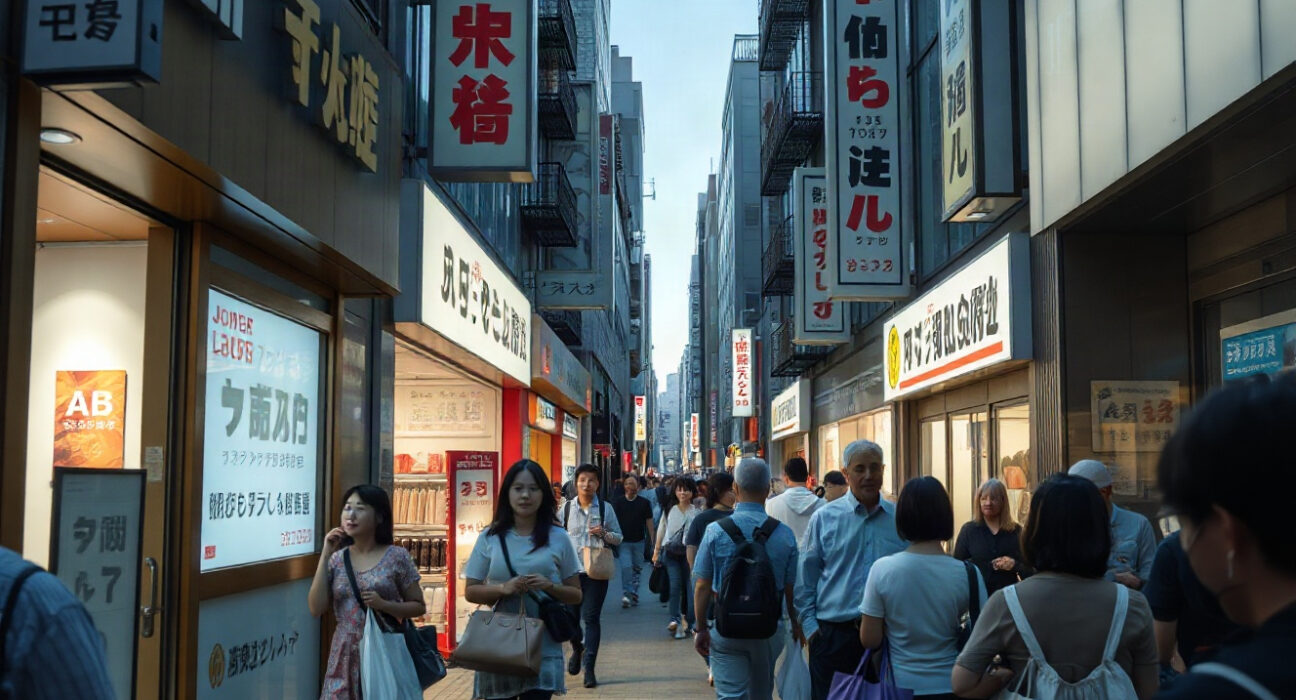
Japan’s seasonally adjusted retail sales fell 3.9% in July compared to the previous month, a slight improvement from the revised 4.1% decline recorded in June, according to the latest official data. This marks the second consecutive monthly contraction, underscoring persistent weakness in consumer spending despite easing inflationary pressures.
What the Latest Data Shows
The Ministry of Economy, Trade and Industry (METI) reported that the month-on-month (MoM) decline in retail trade slowed to 3.9% in July from a 4.1% drop in June. While the pace of decline has moderated, the continued contraction signals that households remain cautious with discretionary spending.
On an annual basis, retail sales have also struggled, with the July figure reflecting a broader trend of subdued consumption. The data comes as the Bank of Japan continues to monitor economic conditions for any signs of sustainable wage growth and demand-led inflation.
Why It Matters for the Economy
Retail sales are a key gauge of consumer confidence and domestic demand, which together account for more than half of Japan’s GDP. The persistent decline suggests that the domestic recovery remains fragile, even as the tourism sector rebounds and export activity shows resilience.
Economists note that real wage growth has lagged behind inflation, limiting households’ purchasing power. This dynamic has prompted the central bank to maintain an ultra-loose monetary policy, despite global tightening cycles.
What This Means for Consumers and Businesses
For consumers, the ongoing contraction in retail sales may signal further discounting and promotional activity as retailers compete for a shrinking pool of spending. For businesses, particularly those in discretionary categories such as apparel and durable goods, the environment remains challenging.
The data also feeds into broader policy debates. The government has introduced energy subsidies and cash handouts to support households, but their impact on sustained consumption remains uncertain. The upcoming autumn wage negotiations will be closely watched for any signs of a shift in corporate behavior.
Conclusion
Japan’s retail sector continues to face headwinds, with July marking another month of declining sales. While the pace of contraction has eased, the underlying weakness in consumer spending remains a concern for policymakers and businesses alike. The coming months will be critical in determining whether this trend reverses or deepens.
FAQs
Q1: What does the -3.9% MoM figure mean?
The -3.9% month-on-month change indicates that retail sales in July were 3.9% lower than in June, after seasonal adjustment. It reflects a contraction in consumer spending during the month.
Q2: How does this compare to the previous month?
In June, retail sales fell by 4.1% month-on-month. July’s decline of 3.9% is a slight improvement, but still shows a continued downward trend.
Q3: Why are retail sales declining in Japan?
The decline is largely attributed to weak consumer confidence, stagnant real wages, and high prices for essential goods, which have constrained discretionary spending.
Disclaimer: The information provided is not trading advice, Bitcoinworld.co.in holds no liability for any investments made based on the information provided on this page. We strongly recommend independent research and/or consultation with a qualified professional before making any investment decisions.
