

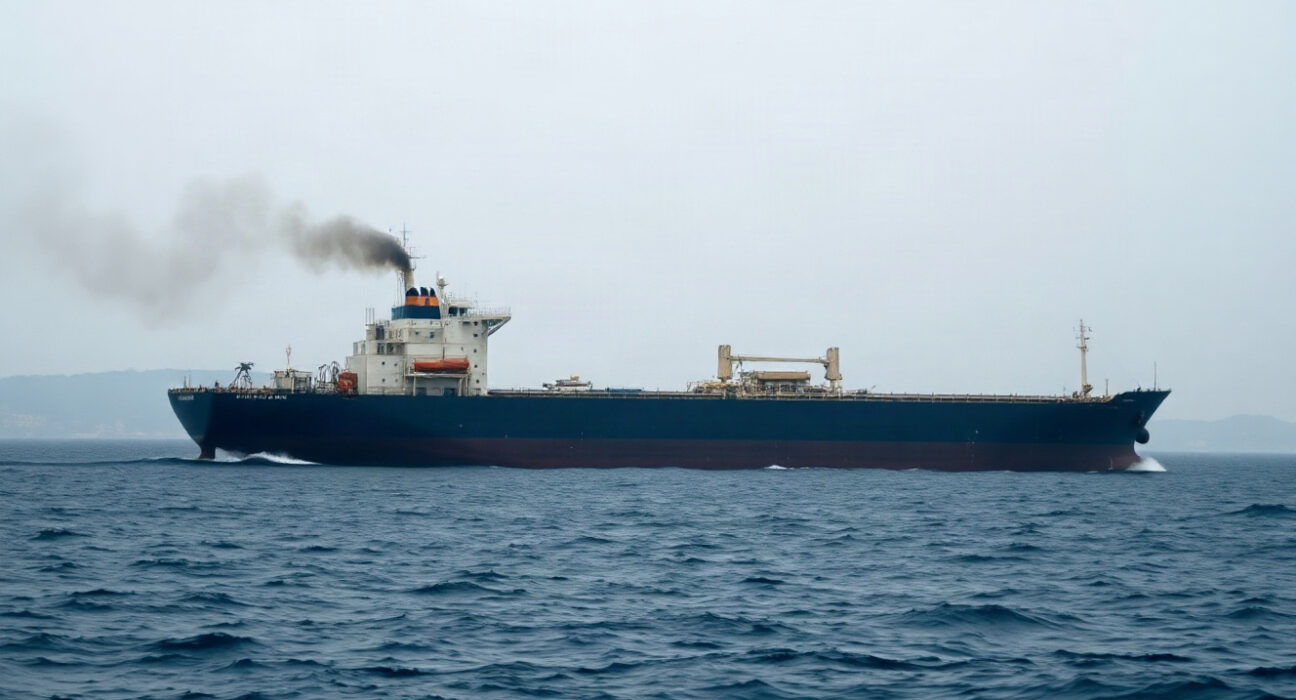
A commercial tanker was struck by three projectiles while making an outbound transit of the Strait of Hormuz, according to a report from the United Kingdom Maritime Trade Operations (UKMTO) issued on [insert date if known, otherwise say ‘this week’]. The incident occurred in international waters near the strategic chokepoint, prompting an immediate advisory to vessels in the area.
Incident Details and Immediate Response
The UKMTO, which coordinates maritime security information for the region, reported that the vessel was hit by three separate projectiles during its outbound journey. The exact timing and precise location were not immediately disclosed, but the agency urged other ships to exercise caution and report any suspicious activity. No injuries or cargo damage have been confirmed at this stage, and the tanker is reportedly continuing its transit under its own power. The UKMTO is in contact with the vessel’s master and is monitoring the situation.
Strategic Importance of the Strait of Hormuz
The Strait of Hormuz is one of the world’s most critical maritime oil transit chokepoints, with roughly 20 million barrels of oil and petroleum products passing through daily—about a fifth of global consumption. Any disruption here has immediate implications for global energy markets, shipping insurance rates, and regional security. This latest attack follows a pattern of maritime incidents in the area over recent years, including tanker seizures and drone or missile strikes, often attributed to regional tensions. The UKMTO’s rapid reporting underscores the ongoing risks faced by commercial shipping in these waters.
Why This Matters to Mariners and the Energy Sector
For ship operators, this incident highlights the heightened threat environment in the region. The UKMTO’s advisory is a reminder for vessels to maintain strict security protocols, including AIS transmission and lookouts, and to report any suspicious approaches. For the energy sector, even a temporary disruption in the strait can cause volatility in oil prices and raise war-risk insurance premiums for vessels transiting the area. The attack also adds to the cumulative risk assessment for companies operating in the Gulf, potentially influencing rerouting decisions or operational planning.
Conclusion
The reported strike on a tanker in the Strait of Hormuz is a serious reminder of the volatile security landscape in this vital waterway. While the vessel appears to be safe and the situation is contained, the incident will likely heighten scrutiny on maritime security and could affect shipping operations and energy markets in the coming days. The UKMTO continues to provide updates, and mariners are advised to stay informed of the latest advisories.
FAQs
Q1: What is the UKMTO?
The United Kingdom Maritime Trade Operations (UKMTO) is a Royal Navy organization that acts as the primary point of contact for commercial shipping in the Middle East region. It issues advisories, incident reports, and security guidance to mariners, and coordinates with naval forces to ensure safe transit.
Q2: What should vessels do when transiting the Strait of Hormuz?
Vessels should follow UKMTO advisories, maintain a strict lookout, consider implementing Ship Security Alert System (SSAS) protocols, and report any suspicious activity immediately. They should also monitor VHF channels and be prepared to respond to requests from naval forces.
Q3: How does this attack affect global oil prices?
Any incident in the Strait of Hormuz can cause short-term oil price volatility due to the risk of supply disruption. However, the actual impact depends on whether the attack leads to a sustained closure or significant damage. In this case, since the tanker remains underway and no major disruption is reported, the effect is likely to be limited, but traders will remain watchful.
Disclaimer: The information provided is not trading advice, Bitcoinworld.co.in holds no liability for any investments made based on the information provided on this page. We strongly recommend independent research and/or consultation with a qualified professional before making any investment decisions.
