

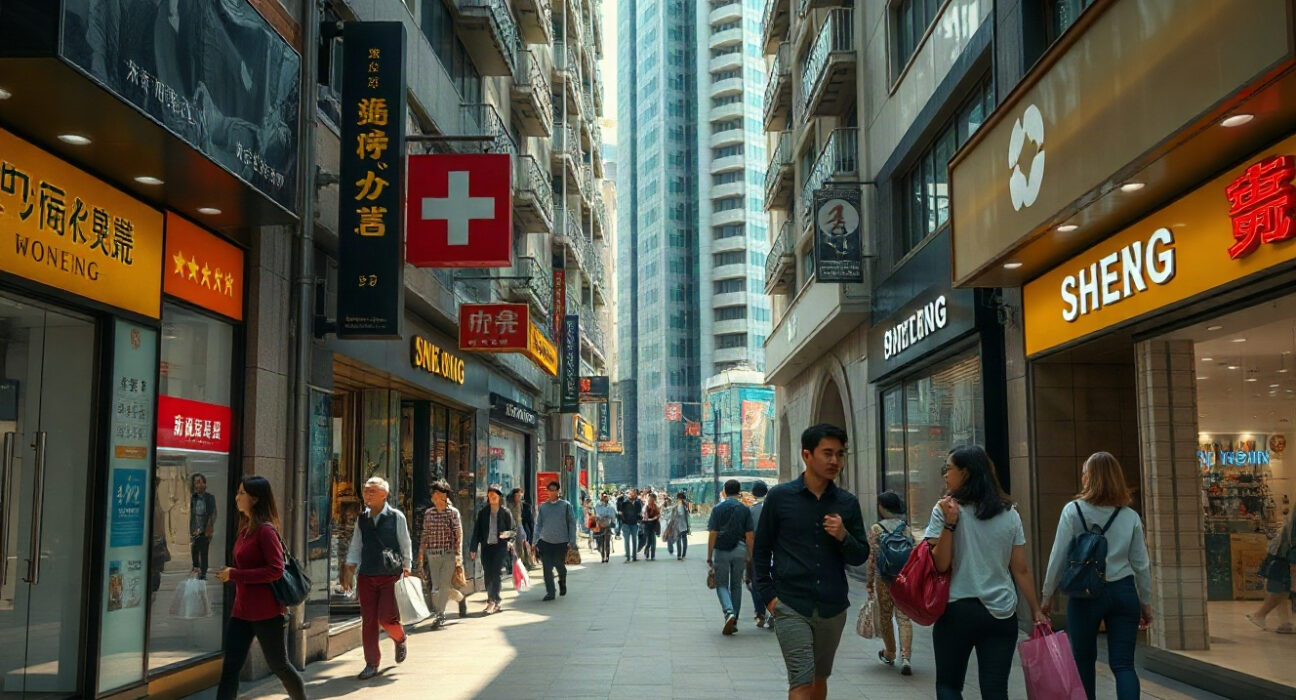
Hong Kong SAR’s retail sales grew 4.5% year-on-year in July, down from a revised 4.6% in June, signaling a modest cooling in consumer spending amid ongoing economic uncertainties. The latest figures, released by the Census and Statistics Department, reflect a gradual slowdown in the city’s retail trade as tourism recovery and domestic demand show mixed momentum.
What the Latest Data Shows
The July retail sales value rose to HK$31.4 billion, with the volume index also up 4.5% year-on-year. While the overall trend remains positive, the slight dip from June’s pace suggests that the post-pandemic rebound may be losing some steam. Key categories such as jewelry, watches, and valuable gifts—a bellwether for tourist spending—saw growth of 12.3%, while sales of clothing and footwear increased by 8.1%. However, sales of electrical goods and other consumer durables fell by 6.2%, indicating a divergence in consumer priorities.
Why the Slowdown Matters
The retail sector is a critical pillar of Hong Kong’s economy, contributing significantly to employment and GDP. A sustained slowdown could weigh on broader economic growth, especially as the city faces headwinds from high interest rates and a slower-than-expected recovery in Chinese mainland tourism. The government has noted that while inbound tourism is recovering, visitor spending patterns have shifted, with more travelers focusing on experiences rather than high-end shopping. This structural change may explain why growth in luxury goods has not fully offset weakness in other segments.
Impact on Businesses and Consumers
For retailers, the modest growth rate underscores the need to adapt to evolving consumer behavior. E-commerce and omnichannel strategies are becoming increasingly important, as online sales continue to gain share. For consumers, the cooling inflation environment may offer some relief, but lingering economic uncertainty could keep spending cautious in the coming months. The government has reiterated its commitment to supporting the retail sector through promotional campaigns and infrastructure investments, though their effectiveness remains to be seen.
Conclusion
Hong Kong SAR’s retail sales growth of 4.5% in July, though slightly lower than June, indicates a resilient yet moderating consumer market. While the overall trajectory remains positive, the data highlights the need for businesses to remain agile in a shifting economic landscape. Policymakers will likely keep a close watch on consumer sentiment as they navigate the city’s recovery path.
FAQs
Q1: What does the 4.5% retail sales growth mean for Hong Kong’s economy?
The 4.5% year-on-year growth in July indicates that consumer spending is still expanding, but at a slower pace than in June. This suggests the economic recovery is continuing, though at a more moderate rate, which could influence overall GDP growth in the third quarter.
Q2: Which retail categories performed best in July?
Jewelry, watches, and valuable gifts saw the strongest growth at 12.3%, followed by clothing and footwear at 8.1%. These categories benefit from tourist spending and local demand for luxury goods.
Q3: How does this data affect retail investors or businesses?
For investors, the data provides insight into consumer confidence and spending trends. For businesses, it signals that while the market is growing, competition is intense, and adapting to changing consumer preferences—such as online shopping and experiential retail—is crucial for sustained success.
Disclaimer: The information provided is not trading advice, Bitcoinworld.co.in holds no liability for any investments made based on the information provided on this page. We strongly recommend independent research and/or consultation with a qualified professional before making any investment decisions.
