

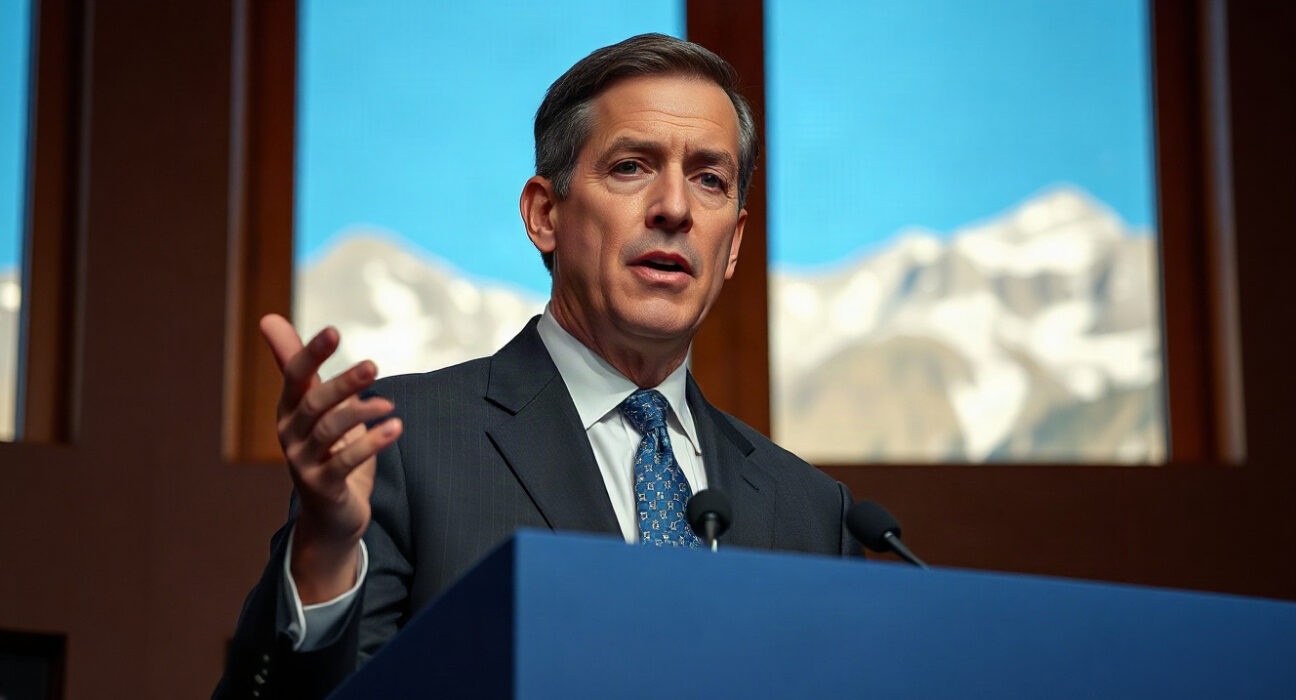
Federal Reserve Chair Kevin Warsh used his keynote speech at the Jackson Hole Economic Symposium to deliver a firmly hawkish message on inflation and interest rates, but questions are mounting over whether his rhetoric can translate into policy action given the current economic landscape.
What Did Warsh Say at Jackson Hole?
In his highly anticipated address on August 22, 2025, Warsh signaled that the Federal Reserve remains committed to bringing inflation down to its 2% target, suggesting that interest rates could stay higher for longer than markets currently anticipate. He emphasized the need for “vigilance” against price pressures, pushing back against expectations of imminent rate cuts.
His comments, part of what analysts describe as “open-mouth operations”—using public statements to influence market expectations—sent ripples through bond and equity markets, with traders adjusting their rate-cut bets.
Can Warsh Deliver on His Hawkish Stance?
The central challenge for Warsh is the disconnect between his rhetoric and the economic data. While inflation has cooled from its peak, it remains sticky above target, and the labor market is showing signs of softening. Critics argue that maintaining high rates for too long risks tipping the economy into recession, a risk Warsh appears willing to accept.
Moreover, Warsh faces internal resistance from within the Federal Open Market Committee (FOMC), where some members advocate for a more balanced approach that weighs the dual mandate of price stability and maximum employment. This internal division could limit his ability to implement the aggressive tightening his words imply.
Market Reaction and Implications
Following Warsh’s speech, the yield on the 10-year Treasury note rose, and the dollar strengthened, reflecting market expectations of a more prolonged restrictive policy. However, the reaction was muted compared to previous policy shifts, suggesting that investors remain skeptical about the Fed’s ability to follow through.
For consumers, the stakes are high. Prolonged high interest rates mean more expensive mortgages, auto loans, and credit card debt. For businesses, it could mean higher borrowing costs and slower investment. The Federal Reserve’s credibility hinges on whether Warsh can align his words with actions, a task complicated by an unpredictable economic environment.
Conclusion
Warsh’s Jackson Hole speech reinforced the Fed’s hawkish pivot, but delivery remains uncertain. The gap between rhetoric and reality, internal policy divisions, and evolving economic indicators all cast doubt on whether the Fed can sustain this stance without causing collateral damage. As the year progresses, all eyes will be on the Fed’s next moves to see if Warsh’s open-mouth operations translate into concrete policy outcomes.
FAQs
Q1: What are “open-mouth operations”?
Open-mouth operations refer to the Federal Reserve’s use of public statements and speeches to influence market expectations about future monetary policy, without actually changing the federal funds rate or other policy tools. This communication strategy can affect interest rates, asset prices, and economic behavior.
Q2: Why does Jackson Hole matter for Fed policy?
Jackson Hole is the site of the Federal Reserve Bank of Kansas City’s annual economic symposium, a key venue where central bankers and economists discuss long-term policy issues. It has historically been used to signal major policy shifts, making it a critical event for market participants.
Q3: What are the risks of keeping interest rates high for too long?
Keeping rates high for an extended period can slow economic growth, increase unemployment, and potentially trigger a recession. It also raises borrowing costs for consumers and businesses, which can dampen spending and investment. The Fed must balance these risks against the need to control inflation.
Disclaimer: The information provided is not trading advice, Bitcoinworld.co.in holds no liability for any investments made based on the information provided on this page. We strongly recommend independent research and/or consultation with a qualified professional before making any investment decisions.
