

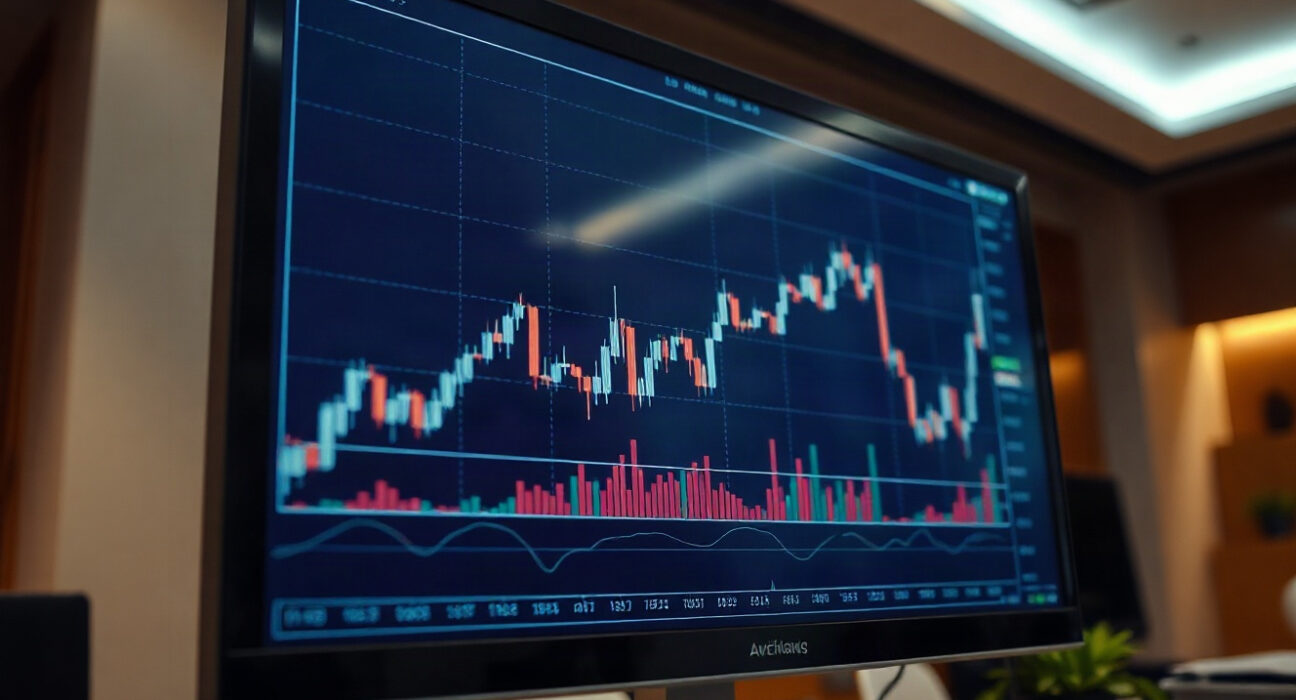
The US dollar is testing a key breakout level against major currencies, and traders are watching closely to see if the bullish momentum can be sustained. As of this week, the dollar index has pushed to its highest point in several months, driven by expectations that the Federal Reserve will keep interest rates higher for longer than previously anticipated. This move has broad implications for global markets, affecting everything from corporate earnings to emerging market debt.
What’s Driving the Dollar’s Strength?
The primary catalyst behind the dollar’s recent surge is the divergence in monetary policy between the Federal Reserve and other major central banks. While the European Central Bank and the Bank of England have signaled potential rate cuts in the coming months, the Fed has maintained a hawkish stance, citing persistent inflation and a resilient labor market. This policy gap makes dollar-denominated assets more attractive, drawing capital flows into the US.
Additionally, geopolitical uncertainties and trade tensions have increased demand for the dollar as a safe-haven currency. Investors often flock to the dollar during periods of global stress, further bolstering its value. The combination of higher yields and safe-haven demand has created a powerful tailwind for the greenback.
Technical Levels to Watch
From a technical perspective, the dollar index is approaching a critical resistance zone that has historically been difficult to break. Analysts point to the 105.50 level as a key threshold; a sustained move above this could open the door to further gains, while a failure might trigger a pullback. The recent breakout attempt is supported by strong momentum indicators, but overbought conditions suggest that a short-term correction is possible.
Traders are also monitoring the 50-day and 200-day moving averages, which are showing a bullish crossover, a sign often interpreted as the start of a longer-term uptrend. However, volume and market breadth will be crucial in confirming the breakout’s validity. Without broad participation, the move could be vulnerable to reversal.
Implications for Global Markets
The dollar’s strength has significant ripple effects. A stronger dollar makes US exports more expensive, potentially weighing on multinational companies’ earnings. It also increases the burden of dollar-denominated debt for emerging markets, which could lead to capital outflows and currency depreciation in those regions. Commodity prices, particularly oil and gold, often move inversely to the dollar, and a sustained rally could pressure these assets.
For investors, the dollar’s trajectory is a crucial factor in asset allocation decisions. A continued uptrend might favor US equities over international ones, while also impacting the attractiveness of bonds and real estate. Conversely, a reversal could signal a shift in global risk sentiment.
Conclusion
In summary, the dollar is at a pivotal point, with the potential to extend its bullish trend or face a corrective phase. The outcome depends on a mix of policy signals, economic data, and global risk dynamics. While the current momentum is bullish, prudent risk management is advised, as markets can quickly change direction. As always, staying informed and adaptable is key for investors navigating these uncertain waters.
FAQs
Q1: What is a dollar breakout?
A dollar breakout occurs when the US dollar index moves above a key resistance level, signaling a potential continuation of an uptrend. It is often watched by traders as a technical signal for further gains.
Q2: How does a stronger dollar affect emerging markets?
A stronger dollar can lead to capital outflows from emerging markets, as investors seek higher yields in the US. This can cause currency depreciation and increase the cost of servicing dollar-denominated debt for these countries.
Q3: What should investors watch to gauge the dollar’s direction?
Investors should monitor Federal Reserve policy statements, inflation data, and economic indicators like employment figures. Additionally, geopolitical events and global risk sentiment can influence the dollar’s safe-haven appeal.
Disclaimer: The information provided is not trading advice, Bitcoinworld.co.in holds no liability for any investments made based on the information provided on this page. We strongly recommend independent research and/or consultation with a qualified professional before making any investment decisions.
