

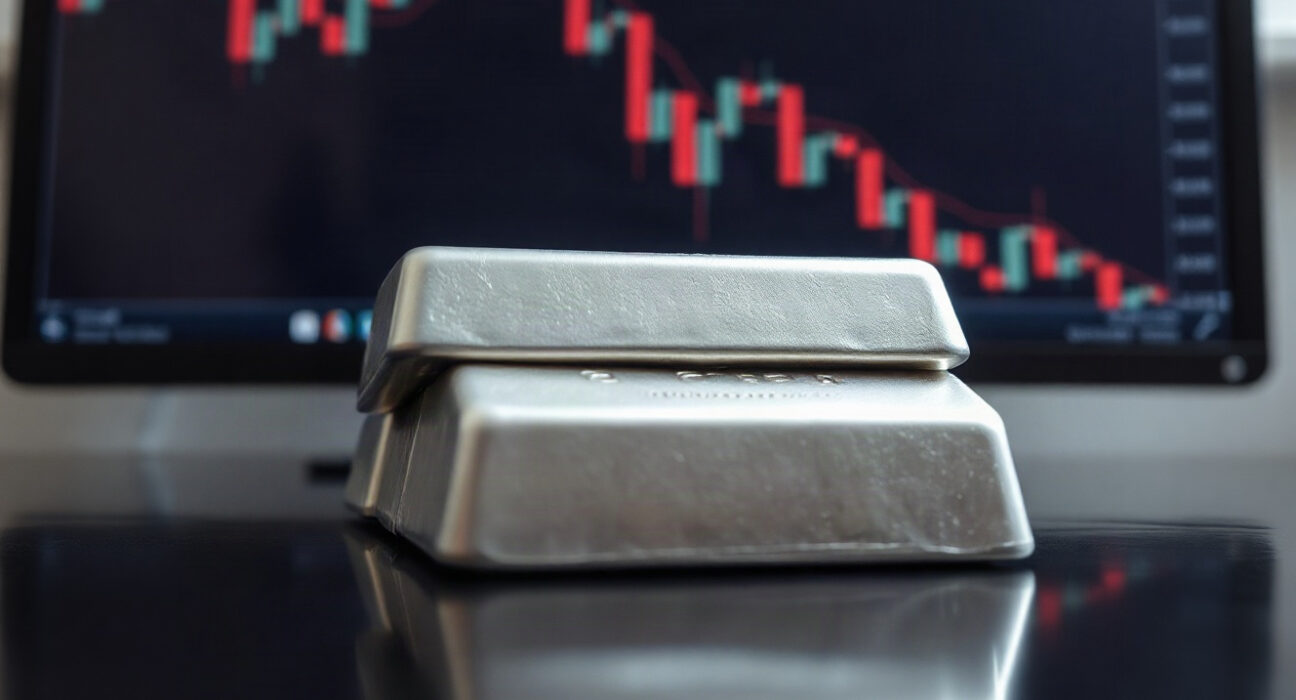
Silver (XAG/USD) fell below the $65 per ounce mark on [date], pressured by strengthening expectations that the Federal Reserve will keep interest rates higher for longer. The precious metal, which has been sensitive to shifts in monetary policy, saw its decline accelerate as the US dollar firmed on the back of hawkish comments from Fed officials and robust economic data.
Why is Silver Falling?
The primary driver behind silver’s drop is the market’s reassessment of the Fed’s policy path. Recent statements from several Federal Reserve officials have emphasized the need to maintain restrictive monetary policy to combat inflation, which remains above the central bank’s 2% target. As a result, traders have scaled back expectations for near-term rate cuts, pushing US Treasury yields higher and boosting the dollar. Since silver is priced in dollars, a stronger dollar makes it more expensive for holders of other currencies, dampening demand.
Market Context and Key Levels
The decline below $65 marks a significant psychological level for silver, which had been trading in a range between $68 and $72 over the past month. Technical analysts note that the next support level is around $63, with resistance now at $65. The move is part of a broader correction in precious metals, with gold also experiencing selling pressure, though silver has been hit harder due to its higher volatility and industrial demand component.
Industrial Demand and Economic Outlook
Silver’s dual role as both a precious metal and an industrial metal adds another layer of complexity. While investor demand is influenced by monetary policy, industrial demand—particularly from the solar panel and electronics sectors—remains a crucial support factor. However, concerns about a global economic slowdown, partly driven by the prospect of sustained high interest rates, have tempered expectations for industrial consumption.
What This Means for Investors
For investors, the current decline presents both risks and opportunities. Those holding silver may face further short-term volatility if the Fed continues to signal a hawkish stance. Conversely, some analysts view the pullback as a potential entry point for long-term investors, given the metal’s fundamental demand drivers. It is essential for market participants to monitor upcoming US economic data, including inflation reports and employment figures, which could influence the Fed’s next moves.
Conclusion
Silver’s drop below $65 reflects the immediate impact of hawkish Fed expectations on the precious metals market. While the short-term outlook remains bearish, the metal’s industrial applications and historical role as a hedge against inflation suggest that long-term prospects could still be positive. As always, investors should stay informed and consider their risk tolerance when navigating these market fluctuations.
FAQs
Q1: What does ‘hawkish Fed’ mean?
A hawkish Fed refers to the Federal Reserve’s stance of prioritizing the control of inflation, often by raising interest rates or maintaining them at high levels. This approach typically strengthens the US dollar and puts downward pressure on non-yielding assets like silver.
Q2: How does a stronger US dollar affect silver prices?
Since silver is priced in US dollars, a stronger dollar makes it more expensive for buyers using other currencies. This can reduce global demand and push prices lower, as seen in the recent decline.
Q3: Is silver a good investment during high inflation?
Silver is often considered a hedge against inflation, as its price can rise when the purchasing power of fiat currencies declines. However, in the current environment, high interest rates to combat inflation have strengthened the dollar, which has temporarily outweighed silver’s inflationary hedge appeal.
Disclaimer: The information provided is not trading advice, Bitcoinworld.co.in holds no liability for any investments made based on the information provided on this page. We strongly recommend independent research and/or consultation with a qualified professional before making any investment decisions.
