

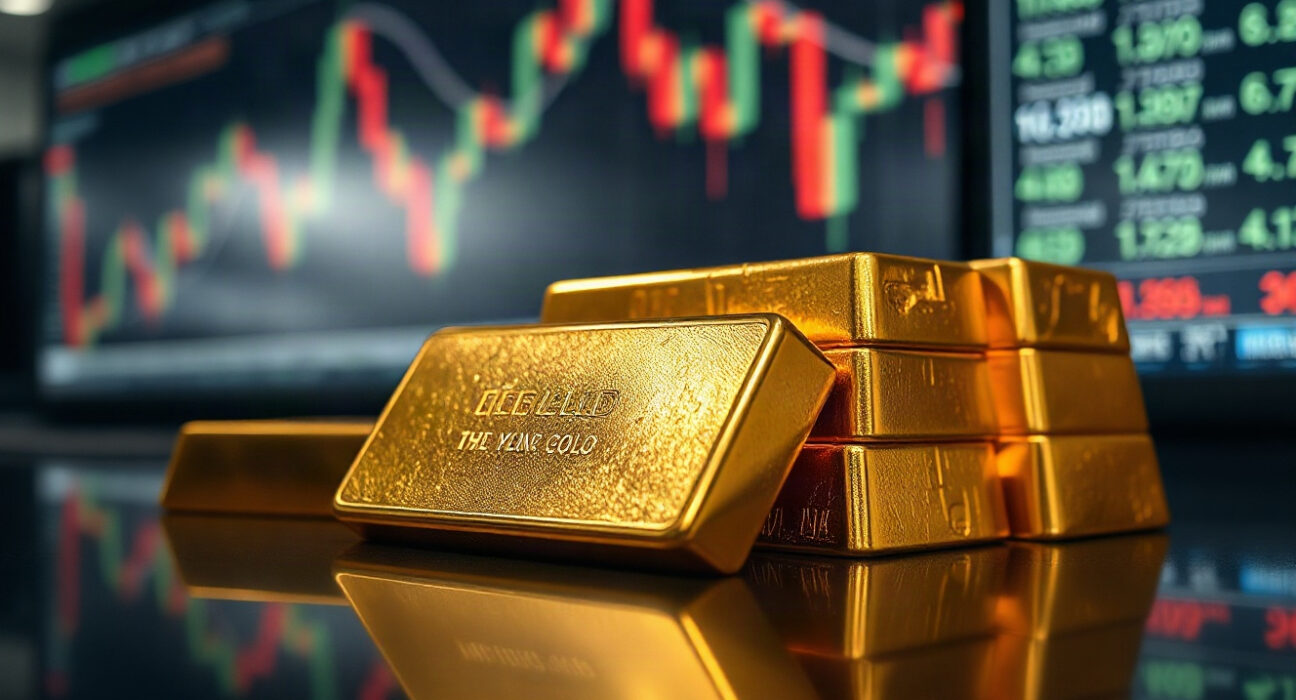
Gold prices fell to a two-week low on Monday, as renewed geopolitical tensions reintroduced volatility across financial markets, prompting investors to reassess safe-haven positions. The precious metal, often sought during times of uncertainty, declined despite the elevated risk environment, reflecting complex dynamics in the current market.
Why is gold at a two-week low despite geopolitical risks?
The immediate trigger for the decline appears to be a shift in investor focus toward other safe-haven assets or a stronger U.S. dollar, which typically pressures gold prices. Additionally, market participants may be weighing the potential for diplomatic resolutions, which could reduce the duration and impact of the crisis. As of the latest trading session, spot gold was down approximately 1.2% from the previous close, trading near $2,340 per ounce, according to data from major exchanges.
Geopolitical risks and market reaction
Geopolitical tensions have escalated in recent days, with new developments in Eastern Europe and the Middle East capturing headlines. Historically, such events have triggered rallies in gold as investors seek a hedge against uncertainty. However, the current market response suggests that other factors, such as interest rate expectations and inflation data, are playing a more dominant role in price discovery.
Impact on investors and the broader economy
For investors, the dip in gold prices may present a buying opportunity, especially if they believe geopolitical risks will persist and eventually push prices higher. Conversely, those who view the current situation as transient might see this as a sign to reduce exposure. The broader economic implications are significant, as gold price movements can influence mining stocks, jewelry demand, and even central bank reserve strategies.
Conclusion
In summary, gold’s decline to a two-week low amidst rising geopolitical tensions underscores the complexity of today’s financial markets. While the metal remains a traditional safe haven, its price is increasingly driven by a confluence of factors, including currency movements and monetary policy expectations. Investors should monitor these dynamics closely, as the situation remains fluid and subject to rapid change.
FAQs
Q1: Why do gold prices often rise during geopolitical crises?
Gold is considered a store of value and a hedge against uncertainty. During crises, investors flock to it as a safe haven, driving up demand and prices.
Q2: What factors are currently suppressing gold prices despite geopolitical risks?
A stronger U.S. dollar, rising interest rates, and a shift in investor preference toward other safe-haven assets like U.S. Treasuries can all pressure gold prices.
Q3: Should investors consider buying gold at this two-week low?
That depends on individual risk tolerance and market outlook. If you believe geopolitical tensions will escalate and persist, gold may be a prudent addition. However, it’s essential to consult with a financial advisor and consider your portfolio’s diversification.
Disclaimer: The information provided is not trading advice, Bitcoinworld.co.in holds no liability for any investments made based on the information provided on this page. We strongly recommend independent research and/or consultation with a qualified professional before making any investment decisions.
