

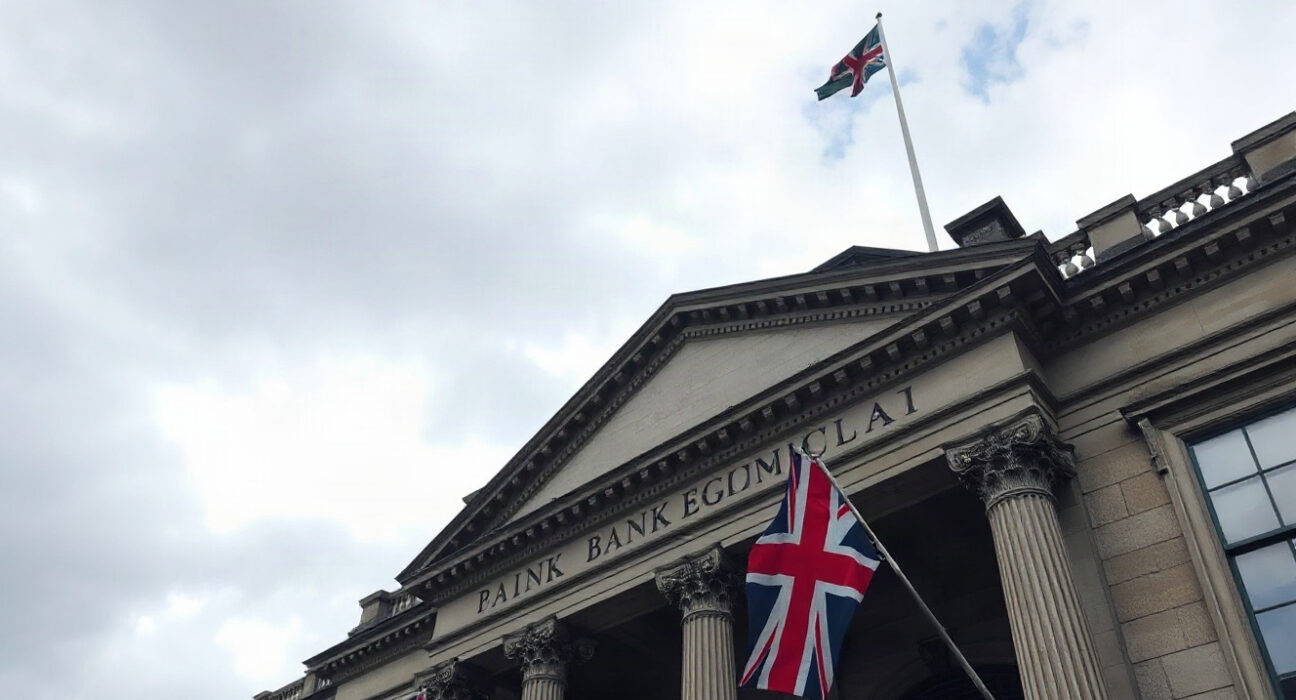
Deutsche Bank has cautioned that the United Kingdom’s economic growth is cooling while inflation risks are building, according to a recent analysis from the bank’s research team. The warning highlights a challenging outlook for the UK economy, with potential implications for monetary policy and household finances.
Growth Momentum Fades
The UK economy has shown signs of slowing momentum in recent months, with GDP growth decelerating from the rebound seen earlier in the year. Deutsche Bank’s analysts point to weakening consumer demand and subdued business investment as key drags, partly reflecting the lingering effects of higher interest rates. As of the latest data, the Office for National Statistics reported quarterly growth of just 0.2% in the second quarter, down from 0.7% in the first, signaling a loss of steam.
Inflation Pressures Re-emerge
Inflation, meanwhile, has proven stickier than anticipated. The Consumer Prices Index (CPI) rose by 3.1% in August, up from 2.9% in July, driven largely by rising energy costs and service-sector price pressures. Deutsche Bank warns that this could persist, as wage growth remains elevated and global supply chains face fresh disruptions. The bank’s economists note that core inflation, which excludes volatile food and energy prices, is still running above the Bank of England’s 2% target, complicating the central bank’s policy path.
Policy Implications
The combination of cooling growth and stubborn inflation presents a dilemma for the Bank of England. While the central bank has paused its rate-hiking cycle, Deutsche Bank suggests that further tightening may be necessary if inflation does not subside. However, such a move could further dampen economic activity, risking a sharper slowdown. Markets are currently pricing in a 40% chance of a rate cut by early 2025, but Deutsche Bank’s analysis leans toward a more cautious stance.
Market and Consumer Impact
For investors, the mixed signals have led to volatility in UK assets, with the pound fluctuating against major currencies and gilt yields rising. For households, the persistence of inflation erodes real incomes, while higher borrowing costs continue to pressure mortgage holders. Deutsche Bank’s report underscores that the path ahead is uncertain, and the Bank of England will need to balance price stability with supporting growth.
Conclusion
Deutsche Bank’s assessment paints a picture of an economy at a crossroads, where growth is losing momentum and inflation risks remain elevated. The coming months will be critical as policymakers weigh the need for further action against the risk of stalling the recovery. For now, the UK’s economic outlook is one of caution, with both challenges and opportunities on the horizon.
FAQs
Q1: What did Deutsche Bank say about UK growth?
Deutsche Bank noted that UK economic growth is cooling, with GDP rising only 0.2% in the second quarter, down from 0.7% in the first, citing weak consumer demand and subdued investment.
Q2: Why are inflation risks building in the UK?
Inflation is being driven by rising energy costs and service-sector price pressures, with CPI at 3.1% in August, and core inflation remaining above the Bank of England’s 2% target.
Q3: How might this affect Bank of England policy?
The Bank of England faces a dilemma: it may need to raise rates further to combat inflation, but that could slow growth. Markets see a 40% chance of a rate cut by early 2025, but Deutsche Bank suggests caution.
Disclaimer: The information provided is not trading advice, Bitcoinworld.co.in holds no liability for any investments made based on the information provided on this page. We strongly recommend independent research and/or consultation with a qualified professional before making any investment decisions.
