

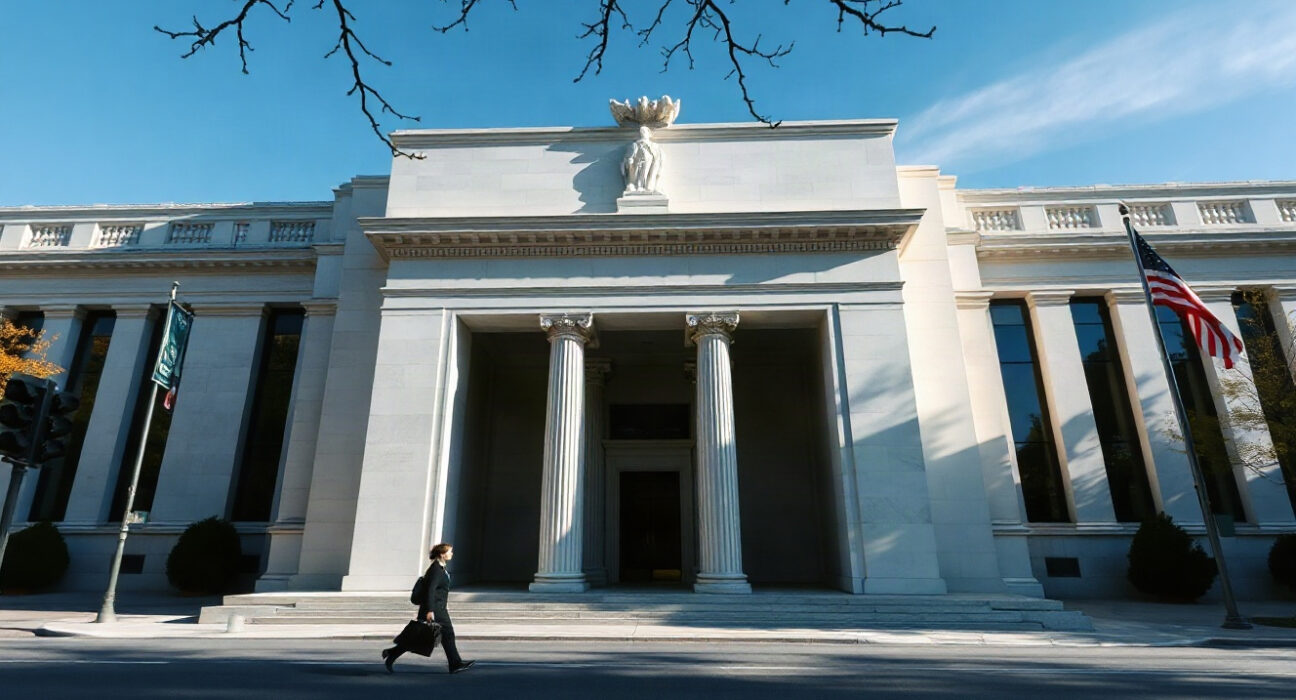
Federal Reserve Governor Michael Barr indicated on Tuesday that the central bank could still raise interest rates if inflation remains persistently elevated, a signal that challenges market expectations for imminent policy easing. Speaking at a conference in New York, Barr emphasized that the Fed is prepared to tighten monetary policy further if economic data warrant such action, underscoring the central bank’s commitment to returning inflation to its 2% target.
Why Barr’s Comments Matter for the Fed’s Next Moves
Barr’s remarks come at a critical juncture for the Federal Reserve, which has held its benchmark interest rate steady since July 2024 after a series of hikes. The central bank’s preferred inflation gauge, the core PCE price index, has remained above 2.8% as of the latest reading, suggesting that price pressures are proving more stubborn than initially hoped. Barr’s statement that a rate hike is “still on the table” reflects a hawkish tilt within the Fed, as policymakers weigh the risks of easing too soon against the danger of keeping policy too tight for too long.
The comments also carry significant weight because Barr is a permanent voter on the Federal Open Market Committee (FOMC) and serves as the Fed’s vice chair for supervision. His views often align closely with Chair Jerome Powell, and his public remarks are closely parsed by investors for clues about the central bank’s policy trajectory. While markets had priced in a high probability of a rate cut in mid-2025, Barr’s tone suggests that such expectations may be premature.
Market and Economic Implications
The immediate market reaction to Barr’s speech was muted but notable, with Treasury yields ticking higher and futures on the S&P 500 trimming gains. Investors now face renewed uncertainty about the path of interest rates, which could affect borrowing costs for mortgages, auto loans, and corporate debt. For households, a prolonged period of high rates means continued pressure on affordability, particularly in the housing market, where 30-year fixed mortgage rates have hovered near 7%.
Barr’s stance also highlights a broader debate within the Fed about the neutral rate of interest — the level that neither stimulates nor restricts the economy. Some officials argue that the economy can tolerate higher rates without significant damage, given the resilience of the labor market. Others worry that maintaining restrictive policy for too long could trigger an unnecessary recession. This internal tension is likely to dominate discussions at the next FOMC meeting, scheduled for March 18-19, 2025.
What This Means for Borrowers and Savers
For consumers, the possibility of another rate hike means that credit card rates, which already average above 20%, could climb even higher. On the flip side, savers may continue to benefit from elevated yields on high-yield savings accounts and certificates of deposit, which have remained attractive as the Fed keeps its target range between 4.25% and 4.50%. The central bank’s decisions also ripple through global markets, affecting currencies, emerging market debt, and commodity prices.
Conclusion
Federal Reserve Governor Michael Barr’s insistence that a rate hike remains possible underscores the central bank’s vigilance in its fight against inflation. With price pressures persisting above target, the Fed is signaling that it will not hesitate to act if necessary, even if that means disappointing investors hoping for relief. As the March FOMC meeting approaches, all eyes will be on incoming economic data — particularly inflation reports and employment figures — to determine whether Barr’s hawkish stance becomes the consensus view or remains a dissenting voice within the committee.
FAQs
Q1: What did Michael Barr say about interest rates?
Michael Barr, the Federal Reserve’s vice chair for supervision, stated that a rate hike is still on the table if inflation remains persistently high. He emphasized the Fed’s commitment to achieving its 2% inflation target, even if that requires further policy tightening.
Q2: How does this affect the likelihood of a rate cut in 2025?
Barr’s comments reduce the probability of a near-term rate cut. Markets had priced in easing as soon as mid-2025, but his hawkish tone suggests the Fed may keep rates higher for longer, depending on upcoming inflation and employment data.
Q3: Why does the Fed care about inflation persistence?
Persistent inflation erodes purchasing power and can become entrenched if consumers and businesses come to expect continued price increases. The Fed aims to prevent this by keeping monetary policy restrictive enough to cool demand, even if it means slower economic growth.
Disclaimer: The information provided is not trading advice, Bitcoinworld.co.in holds no liability for any investments made based on the information provided on this page. We strongly recommend independent research and/or consultation with a qualified professional before making any investment decisions.
