

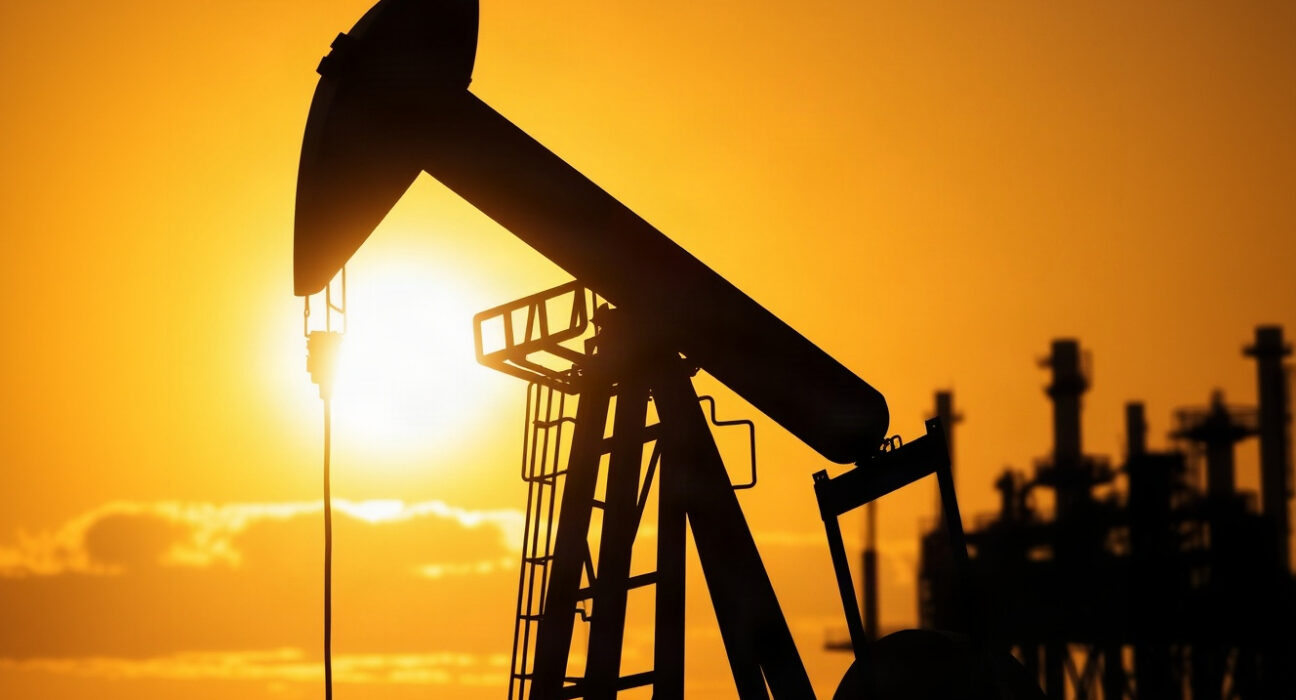
Oil prices have broken above recent trading ranges, adding fresh pressure to risk sentiment across global markets as investors weigh the implications for inflation and central bank policy.
What’s Driving the Rally?
The latest move higher in crude futures comes amid a combination of supply concerns and shifting demand expectations. Traders are closely watching inventory data, geopolitical developments, and signals from major producers.
Brent crude, the international benchmark, has climbed toward multi-week highs, while West Texas Intermediate (WTI) has followed suit. The break above key technical levels has triggered momentum buying, amplifying the move.
Why It Matters for Risk Assets
Rising oil prices feed directly into inflation expectations, which in turn influence central bank rate decisions. Higher energy costs can squeeze consumer spending and corporate margins, making riskier assets like equities less attractive.
Historically, sustained oil rallies have correlated with periods of market volatility. The current situation is no different, with equity indices showing increased sensitivity to crude price movements.
Impact on Inflation and Central Banks
If oil prices remain elevated, they could delay the timeline for interest rate cuts, a key support for equity valuations. Markets are now pricing in a higher-for-longer rate scenario, which pressures growth-oriented sectors.
Energy-importing economies face a terms-of-trade shock, while exporters stand to benefit. This divergence adds another layer of complexity for global investors.
Conclusion
The breakout in oil prices is a development that warrants close attention. Its effects ripple through inflation expectations, central bank policy, and ultimately risk asset valuations. Investors should monitor crude inventories and geopolitical headlines for further direction.
FAQs
Q1: Why are oil prices rising?
Oil prices are rising due to a mix of supply constraints, geopolitical risks, and technical buying after breaking above key resistance levels.
Q2: How does higher oil affect the stock market?
Higher oil increases costs for companies and consumers, potentially reducing profits and spending. It can also lead to higher inflation, prompting central banks to keep interest rates higher, which often weighs on equity valuations.
Q3: What should investors watch next?
Investors should monitor weekly oil inventory reports, OPEC+ policy signals, and any geopolitical events that could disrupt supply. Also, watch central bank communications for hints on how they view energy-driven inflation.
Disclaimer: The information provided is not trading advice, Bitcoinworld.co.in holds no liability for any investments made based on the information provided on this page. We strongly recommend independent research and/or consultation with a qualified professional before making any investment decisions.
