

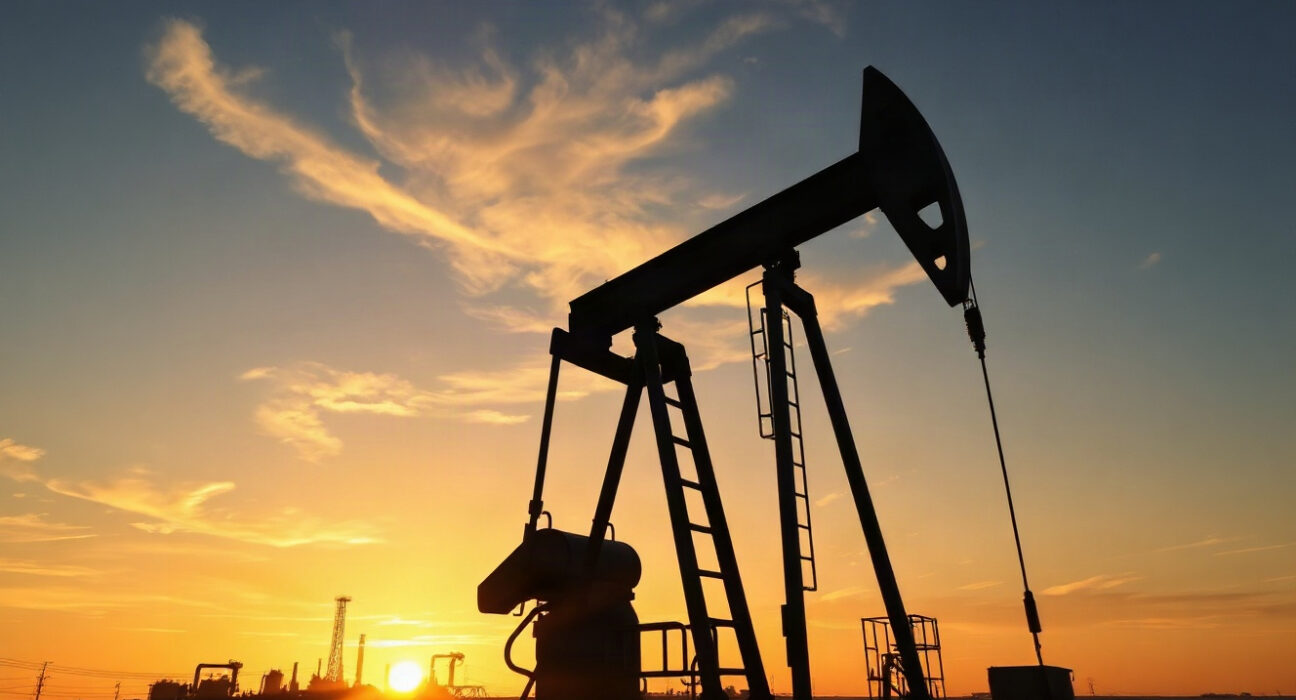
West Texas Intermediate (WTI) crude oil advanced to the mid-$90.00s per barrel on [Date], reaching its highest level since July 24, as escalating tensions between the United States and Iran fueled supply concerns in the market.
Market Reaction to Geopolitical Risks
Oil prices have been climbing steadily over the past sessions, driven by fears that conflict in the Middle East could disrupt global supply chains. The latest uptick comes after the U.S. announced new sanctions on Iranian oil exports, while Iran threatened to close the Strait of Hormuz—a chokepoint through which roughly 20% of global oil passes.
As of the latest trading session, WTI futures were hovering around $94.50, up more than 3% on the week. Brent crude, the international benchmark, also surged past $100 a barrel, reflecting broader market anxiety.
Supply-Demand Fundamentals
Beyond geopolitical headlines, the oil market is also contending with tight supply. OPEC+ members have maintained production cuts, and U.S. shale output has remained below pre-pandemic levels. Meanwhile, global demand continues to recover, particularly in Asia, where China’s reopening has boosted consumption.
Analysts note that the market is currently pricing in a risk premium that could fade if diplomatic channels reopen. However, with no immediate de-escalation in sight, many traders are bracing for further volatility.
Impact on Consumers and Economies
Higher oil prices have immediate ripple effects on consumers, from gasoline prices at the pump to heating costs and airfares. For central banks, rising energy costs complicate the fight against inflation, potentially leading to prolonged monetary tightening.
In the U.S., the average national gasoline price has climbed to $3.85 per gallon, up 15 cents from a month ago, according to AAA data. This trend could weigh on consumer sentiment and influence the Federal Reserve’s next policy decisions.
Conclusion
The escalation of US-Iran tensions has pushed WTI crude to its highest level in over two months, underscoring the fragile balance of global energy markets. While supply concerns remain front and center, traders are closely watching for any signs of diplomatic progress that could ease the pressure. For now, the market remains on edge, with prices likely to stay volatile in the near term.
FAQs
Q1: What is WTI crude oil?
WTI (West Texas Intermediate) is a grade of crude oil used as a benchmark in oil pricing, primarily for US-produced crude. It is lighter and sweeter than Brent, making it ideal for gasoline refining.
Q2: Why are US-Iran tensions affecting oil prices?
Iran is a major oil producer, and the threat of supply disruptions—particularly through the Strait of Hormuz—creates uncertainty in global markets. Any potential conflict could limit oil exports, driving prices up.
Q3: How high could oil prices go?
Forecasts vary, but some analysts suggest that if the conflict escalates, WTI could test the $100 mark, while Brent might exceed $110. However, prices could also retreat sharply if a diplomatic resolution emerges.
Disclaimer: The information provided is not trading advice, Bitcoinworld.co.in holds no liability for any investments made based on the information provided on this page. We strongly recommend independent research and/or consultation with a qualified professional before making any investment decisions.
