

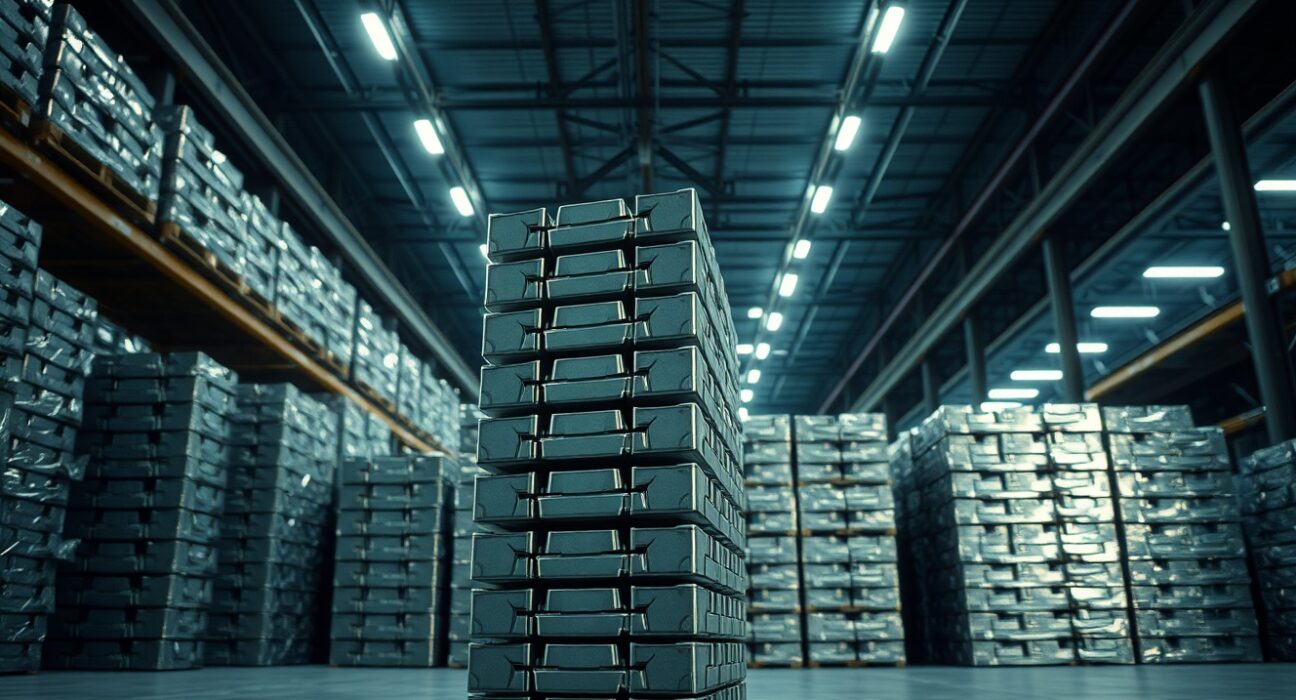
Rising aluminium inventories are pointing to persistently weak demand in the global market, according to a recent analysis from Commerzbank. The bank’s commodities research team highlighted that stockpiles have been accumulating, a trend typically associated with sluggish industrial activity and reduced consumption from key sectors such as automotive and construction.
Inventory Build-Up Reflects Broader Economic Slowdown
Commerzbank’s assessment comes as exchange-monitored aluminium inventories have climbed steadily over recent weeks. The bank notes that this buildup is not an isolated event but part of a wider pattern seen across several base metals, suggesting that demand-side weakness is structural rather than temporary. Analysts point to subdued manufacturing data from major economies, including China and Europe, as primary drivers of the reduced appetite for aluminium.
Implications for Prices and Producers
The inventory glut has exerted downward pressure on aluminium prices, which have struggled to gain traction despite production cuts announced by some smelters. Commerzbank warns that unless demand picks up meaningfully—driven by a recovery in industrial output or fresh stimulus measures—prices may remain capped. For producers, the combination of high inventories and low prices squeezes margins, potentially leading to further output reductions or plant closures in higher-cost regions.
What This Means for Investors
For market participants, the signal from inventories is a cautionary one. Traders and investors should monitor upcoming economic data releases, particularly from China, as well as any policy responses from major governments. The aluminium market’s direction will likely hinge on whether demand recovers in the second half of the year or if the current oversupply deepens.
Conclusion
Commerzbank’s analysis underscores a challenging environment for aluminium, where rising inventories serve as a clear indicator of weak demand. While supply-side adjustments may offer some price support, a sustained recovery depends on a broader economic turnaround. For now, the market remains in a wait-and-see mode, with inventory levels providing a sobering reality check.
FAQs
Q1: Why are rising aluminium inventories considered a sign of weak demand?
When inventories accumulate, it typically means that production is outpacing consumption. This imbalance signals that buyers—such as manufacturers and construction firms—are not purchasing as much aluminium, often due to slower economic activity.
Q2: How does Commerzbank’s analysis impact aluminium price forecasts?
The bank’s bearish view suggests that without a demand rebound, aluminium prices are likely to remain under pressure. Investors may adjust their expectations downward, anticipating limited upside in the near term.
Q3: Which sectors are most affected by weak aluminium demand?
The automotive and construction sectors are the largest consumers of aluminium. A slowdown in vehicle production or building activity directly reduces demand, contributing to inventory builds and price weakness.
Disclaimer: The information provided is not trading advice, Bitcoinworld.co.in holds no liability for any investments made based on the information provided on this page. We strongly recommend independent research and/or consultation with a qualified professional before making any investment decisions.
