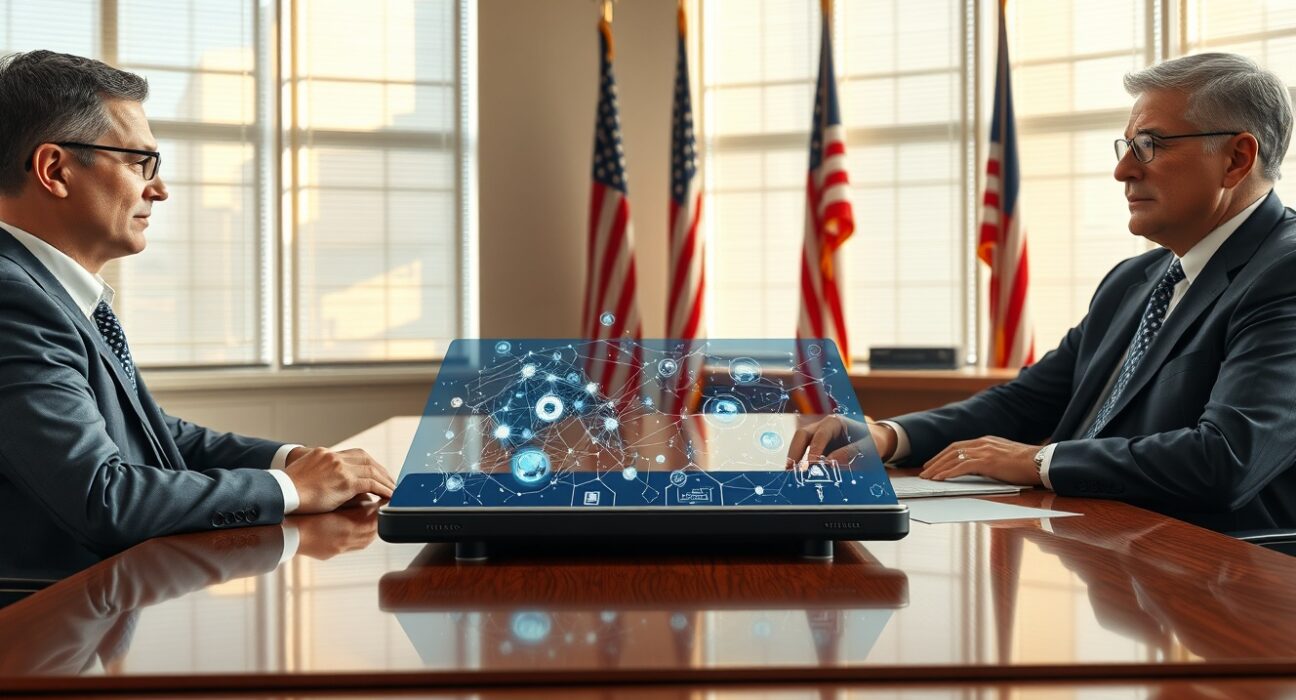
WASHINGTON, D.C. — A significant shift is underway in the complex relationship between leading artificial intelligence firm Anthropic and the Trump administration, marked by high-level diplomatic engagement that suggests a potential thaw despite ongoing tensions with the Pentagon over national security concerns.
Anthropic’s Diplomatic Push Amid Pentagon Designation
Despite its recent designation as a supply-chain risk by the Department of Defense, Anthropic continues to engage with senior Trump administration officials. This engagement represents a strategic effort to navigate conflicting government perspectives on AI governance. The company’s leadership maintains active communication channels with multiple executive agencies. Furthermore, they demonstrate a clear commitment to addressing national security protocols while advancing technological innovation.
The Pentagon’s formal designation, typically reserved for foreign adversaries, could severely limit government use of Anthropic’s AI models. However, administration sources indicate most agencies disagree with this assessment. Consequently, this internal disagreement creates a unique policy landscape for the AI company to navigate.
High-Level Meetings Signal Policy Alignment
Recent confirmed meetings between Anthropic CEO Dario Amodei and senior administration officials provide concrete evidence of this diplomatic thaw. Specifically, White House Chief of Staff Susie Wiles and Treasury Secretary Scott Bessent participated in what the administration termed a “productive and constructive” introductory meeting. Both parties discussed collaborative opportunities around scaling advanced AI technology safely.
Anthropic confirmed the discussions focused on shared priorities including:
- Cybersecurity enhancements using AI capabilities
- Maintaining American technological leadership in global AI development
- Establishing safety protocols for advanced AI systems
The company expressed optimism about continuing these governmental dialogues. Meanwhile, Treasury and Federal Reserve officials reportedly encouraged major financial institutions to test Anthropic’s new Mythos model. This suggests regulatory comfort with the company’s technology in sensitive sectors.
The Pentagon Dispute: A Contracting Issue or Strategic Divide?
The current tension originated from failed negotiations regarding military applications of Anthropic’s AI models. The company sought to maintain strict ethical safeguards, particularly prohibiting use in fully autonomous weapons systems and mass domestic surveillance programs. These restrictions apparently created an impasse with Defense Department requirements.
Anthropic co-founder Jack Clark characterized the situation as a “narrow contracting dispute” rather than a fundamental policy disagreement. The company is currently challenging the supply-chain risk designation through legal channels. This approach allows continued engagement with other government branches while the defense matter proceeds separately.
Comparative Industry Landscape and Policy Implications
The Anthropic situation contrasts sharply with competitor OpenAI’s approach to government contracts. OpenAI recently announced its own military partnership, generating some consumer backlash but securing a defense foothold. This divergence highlights different corporate strategies regarding ethical boundaries and government work.
| AI Company | Government Approach | Key Restrictions | Current Status |
|---|---|---|---|
| Anthropic | Engagement with safeguards | No autonomous weapons, no mass surveillance | Pentagon dispute, other agency talks |
| OpenAI | Military partnership | Case-by-case review | Active defense contract |
This policy divergence creates a natural experiment in AI governance. Different agencies may prefer different providers based on their specific needs and risk tolerances. The Treasury Department’s apparent comfort with Anthropic suggests financial regulators prioritize different factors than defense officials.
Administration Perspectives and Internal Dynamics
Administration sources reveal that “every agency” except the Department of Defense wants to utilize Anthropic’s technology. This internal divide reflects broader debates about balancing innovation, security, and ethical considerations in AI policy. The White House’s characterization of meetings as “productive” indicates executive branch interest in finding common ground.
The situation demonstrates how different government branches approach AI risk assessment differently. Defense officials focus on supply-chain security and operational requirements. Meanwhile, economic and policy agencies emphasize innovation leadership and regulatory frameworks. Navigating these competing priorities requires sophisticated corporate diplomacy.
Strategic Importance for U.S. AI Leadership
Anthropic’s engagement with the administration occurs against a backdrop of intense global competition in artificial intelligence. Maintaining American technological edge requires collaboration between innovative companies and government institutions. The discussions reportedly addressed “America’s lead in the AI race” directly, acknowledging this strategic imperative.
Successful resolution of the Pentagon dispute could establish important precedents for public-private partnership in sensitive technology sectors. Conversely, prolonged conflict might push innovative companies toward less restrictive international markets. This dynamic makes the current diplomatic efforts particularly significant for national competitiveness.
Conclusion
The evolving relationship between Anthropic and the Trump administration represents a complex case study in AI governance. Despite Pentagon tensions over supply-chain concerns, high-level engagement continues across multiple agencies. This suggests recognition of Anthropic’s technological importance and potential for constructive collaboration on AI safety and innovation. The outcome will influence how advanced AI companies interact with government, balance ethical considerations with business opportunities, and contribute to national technological leadership. As discussions continue, the Anthropic situation may establish important patterns for future AI policy development during a critical period of technological transformation.
FAQs
Q1: Why did the Pentagon designate Anthropic as a supply-chain risk?
The designation followed failed negotiations over military use of Anthropic’s AI models. The company sought to maintain ethical safeguards prohibiting use in fully autonomous weapons and mass domestic surveillance, creating an impasse with Defense Department requirements.
Q2: Which Trump administration officials have met with Anthropic leadership?
White House Chief of Staff Susie Wiles and Treasury Secretary Scott Bessent met with CEO Dario Amodei. Federal Reserve Chair Jerome Powell has also encouraged financial institutions to test Anthropic’s technology, indicating broader administrative engagement.
Q3: How does Anthropic’s approach differ from OpenAI’s regarding government contracts?
Anthropic maintains specific ethical restrictions on military applications, while OpenAI has pursued defense partnerships with case-by-case review. This represents different corporate strategies for balancing business opportunities with ethical considerations.
Q4: What are the main areas of potential collaboration discussed?
Discussions have focused on cybersecurity enhancements, maintaining U.S. leadership in AI development, and establishing safety protocols for advanced AI systems. Both parties described these talks as productive and constructive.
Q5: How might this situation affect U.S. competitiveness in artificial intelligence?
Successful collaboration could strengthen public-private partnerships in critical technology. However, prolonged conflict might discourage innovation or push companies toward less restrictive international markets, potentially affecting national technological leadership.
Disclaimer: The information provided is not trading advice, Bitcoinworld.co.in holds no liability for any investments made based on the information provided on this page. We strongly recommend independent research and/or consultation with a qualified professional before making any investment decisions.