

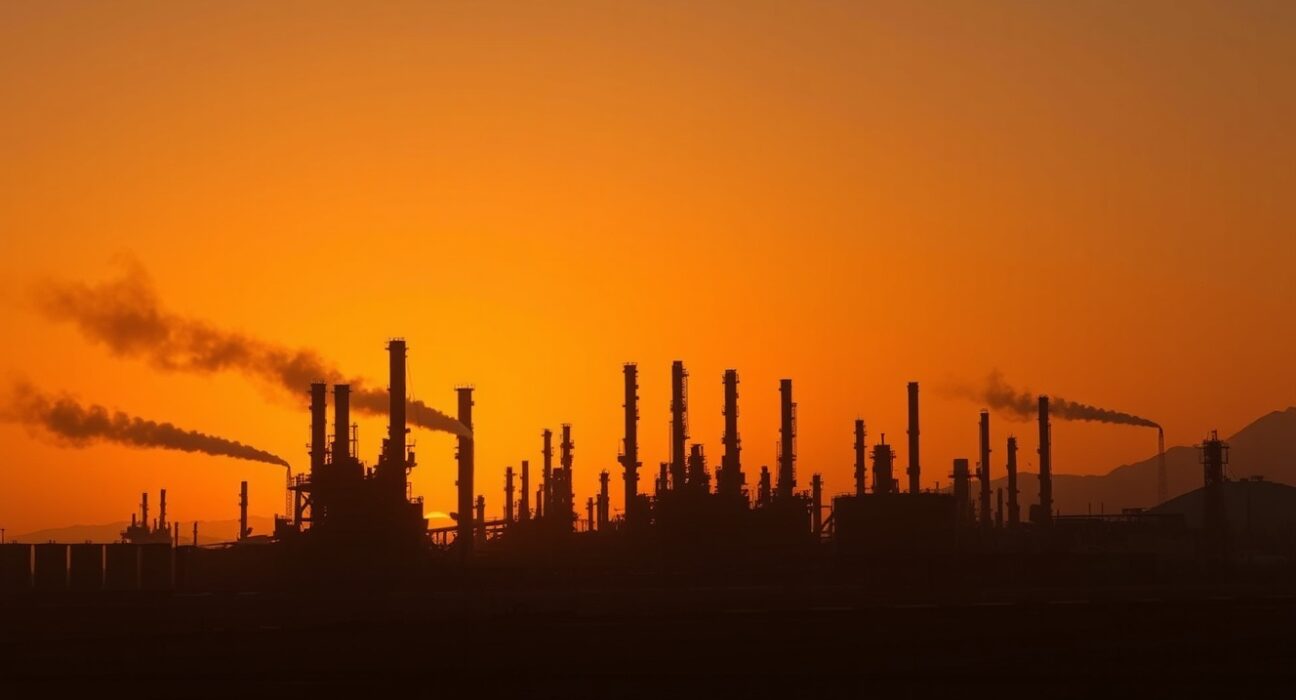
West Texas Intermediate (WTI) crude oil edged higher on Monday, trading above $89.00 per barrel, after the United States carried out a new round of military strikes targeting positions in Iran. The escalation marks the latest chapter in rising tensions between the two nations, injecting fresh uncertainty into global energy markets already grappling with supply constraints.
Market Reaction and Price Action
WTI futures climbed approximately 1.2% in early Asian trading, extending gains from the previous session. The move pushed prices past the psychologically important $89 mark, a level not seen consistently since late October. Brent crude, the international benchmark, also rose, trading near $92.50 at the time of writing.
Traders cited the direct threat to oil infrastructure and transit routes in the region as the primary catalyst. Iran sits along the Strait of Hormuz, a critical chokepoint through which about 20% of the world’s oil passes. Any disruption—real or perceived—tends to trigger immediate risk premium pricing.
Geopolitical Context
The latest US strikes were confirmed by the Pentagon late Sunday, targeting what officials described as “Iranian-linked facilities” used to support proxy forces in the region. The operation follows a series of escalating incidents over the past month, including drone attacks on commercial vessels in the Red Sea and missile strikes on US bases in Iraq and Syria.
Iran has not yet officially responded, but state media outlets condemned the action as “a violation of sovereignty.” Diplomatic channels remain open, though analysts suggest that direct negotiations are unlikely in the near term. The Biden administration has stated the strikes are “defensive in nature” and aimed at deterring further aggression.
Impact on Energy Supply Chains
Beyond the immediate price spike, the strikes raise concerns about broader supply chain stability. Insurance premiums for tankers operating in the Persian Gulf have already risen, and some shipping firms are rerouting vessels to avoid high-risk zones. This adds transit time and cost, further tightening an already balanced market.
OPEC+ production cuts, led by Saudi Arabia and Russia, have kept global inventories low throughout 2024. The cartel’s next meeting is scheduled for early December, and the current crisis is likely to dominate discussions. Some member states may push for a review of output quotas to compensate for potential Iranian supply losses.
What This Means for Consumers and Markets
For consumers, higher crude prices typically translate to increased costs at the pump. US gasoline prices, which had been moderating in recent weeks, may reverse course if WTI remains above $90. Heating oil and diesel prices are also sensitive to crude movements, raising concerns ahead of the winter heating season in the Northern Hemisphere.
For financial markets, the energy sector has been a relative outperformer in 2024. Major oil and gas stocks have rallied on the back of strong earnings and shareholder returns. However, prolonged geopolitical instability could introduce volatility that spooks broader equity indices, particularly if inflation expectations re-accelerate.
Conclusion
The US military strikes in Iran represent a significant escalation in an already volatile region. While the immediate market response has been measured, the potential for supply disruption—especially through the Strait of Hormuz—keeps the risk premium elevated. Traders and policymakers alike will be watching closely for Iran’s next move and any diplomatic off-ramps that could de-escalate tensions. For now, WTI above $89 reflects a market pricing in uncertainty, not panic.
FAQs
Q1: Why did WTI crude oil prices rise after the US strikes in Iran?
A1: The strikes raised fears of supply disruptions in the Middle East, particularly through the Strait of Hormuz, a key transit route for global oil. Traders added a risk premium to prices, pushing WTI above $89.
Q2: Could the strikes lead to a sustained oil price rally?
A2: It depends on Iran’s response and whether actual oil infrastructure is affected. If the conflict remains contained, prices may stabilize. However, any direct disruption to production or shipping could drive prices significantly higher.
Q3: How do these events affect gasoline prices for US consumers?
A3: Higher crude oil prices typically lead to higher gasoline prices at the pump. If WTI stays above $90, US drivers could see an increase of 10–20 cents per gallon in the coming weeks, depending on refinery margins and regional factors.
Disclaimer: The information provided is not trading advice, Bitcoinworld.co.in holds no liability for any investments made based on the information provided on this page. We strongly recommend independent research and/or consultation with a qualified professional before making any investment decisions.
