

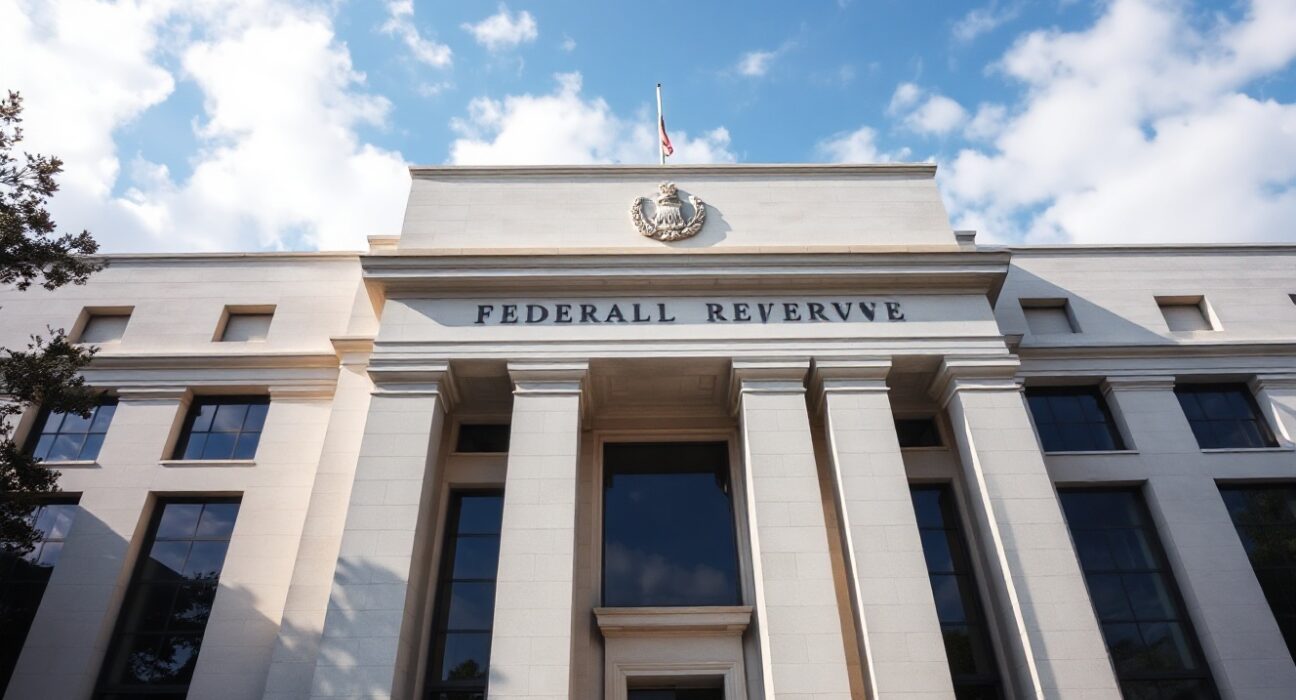
The US dollar experienced its steepest single-day decline in approximately four weeks on Wednesday after the Federal Reserve announced it would hold its benchmark interest rate steady, disappointing traders who had anticipated a more aggressive stance on inflation.
Fed Holds Firm, Markets React
The Federal Reserve’s decision to maintain the federal funds rate at its current range, as widely expected, triggered a sharp sell-off in the greenback. The dollar index, which measures the currency against a basket of six major peers, fell by over 0.7% on the day, marking its worst performance since late March. The move reversed much of the dollar’s gains from the previous week, which had been driven by speculation that the Fed might signal a rate hike at its May meeting.
Why the Dollar Dropped
The primary catalyst was the Fed’s accompanying statement and subsequent press conference by Chair Jerome Powell. While the central bank acknowledged that inflation remains elevated, it did not offer a clear commitment to raising rates in the near term. Instead, Powell emphasized a data-dependent approach, stating that the committee would need to see sustained progress on inflation before considering further tightening. This dovish tone disappointed dollar bulls who had been betting on a more hawkish signal.
Market Implications and Investor Sentiment
The dollar’s decline had immediate ripple effects across global markets. The euro and Japanese yen both strengthened against the greenback, with the euro rising above the $1.08 level for the first time in two weeks. Gold prices, which are inversely correlated with the dollar, climbed by more than 1%, while US Treasury yields fell as traders scaled back expectations for future rate hikes. For investors, the move underscores the market’s sensitivity to any perceived shift in the Fed’s policy direction.
What This Means for Consumers and Businesses
A weaker dollar has tangible effects on the broader economy. For US consumers, it can make imported goods more expensive, potentially adding to inflationary pressures. However, it also benefits US exporters by making their products cheaper for foreign buyers. For multinational corporations, a softer dollar can boost the value of overseas earnings when converted back to dollars. The travel industry may also feel the impact, as a weaker dollar makes international travel more expensive for Americans while attracting more foreign tourists to the US.
Conclusion
The dollar’s worst day in four weeks reflects a market recalibrating its expectations for Federal Reserve policy. While the central bank remains cautious, the lack of a clear hawkish signal has prompted a broad reassessment of currency positions. Traders will now turn their attention to upcoming economic data, particularly the next inflation and employment reports, which will likely determine the dollar’s near-term trajectory.
FAQs
Q1: Why did the dollar fall after the Fed held rates steady?
The dollar fell because the Federal Reserve’s statement and Chair Powell’s comments were perceived as less hawkish than expected. Traders had anticipated a stronger signal that a rate hike was imminent, but the Fed emphasized a data-dependent approach without committing to near-term tightening.
Q2: How much did the dollar drop?
The US dollar index (DXY) fell by more than 0.7% on the day, its largest single-day decline in about four weeks. This erased a significant portion of the gains the dollar had made over the previous week.
Q3: What does a weaker dollar mean for the stock market?
A weaker dollar can be positive for US stocks, particularly for multinational companies that generate significant revenue overseas. It can also boost commodity prices, which tend to rise when the dollar falls, benefiting sectors like energy and materials.
Disclaimer: The information provided is not trading advice, Bitcoinworld.co.in holds no liability for any investments made based on the information provided on this page. We strongly recommend independent research and/or consultation with a qualified professional before making any investment decisions.
