

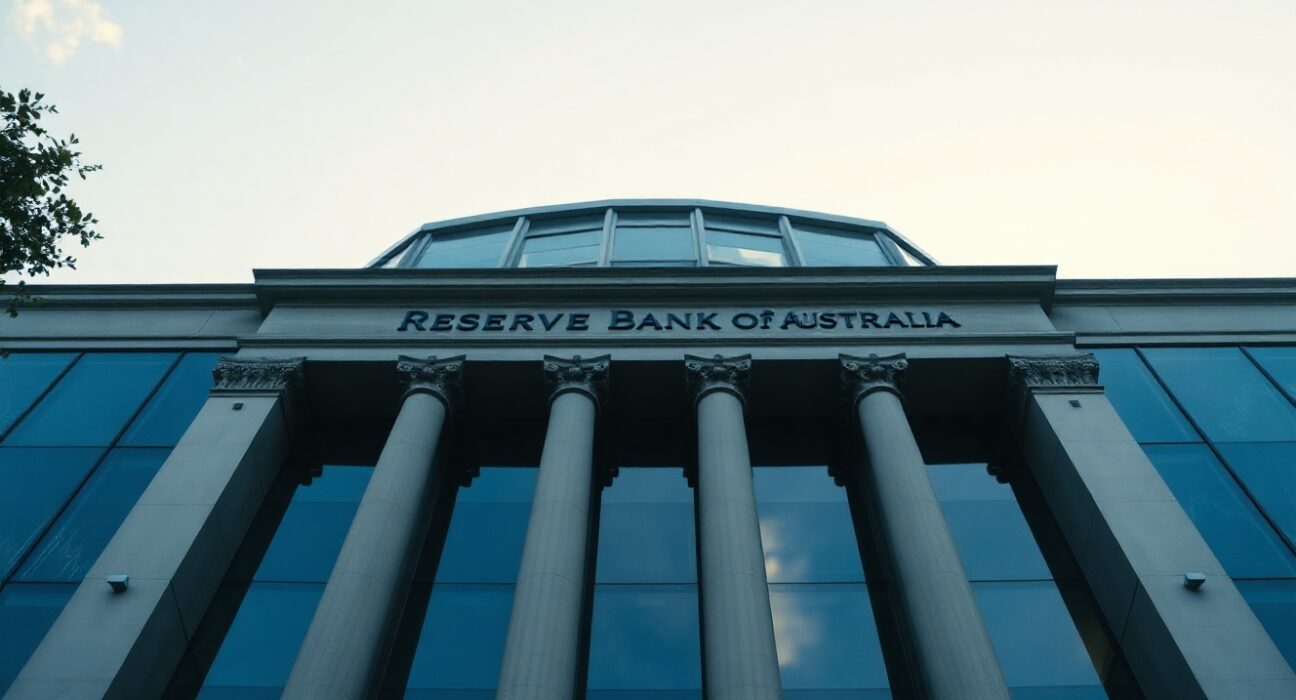
The Australian Consumer Price Index (CPI) is expected to remain elevated in the April data release, keeping the Reserve Bank of Australia (RBA) on a tightening path as markets reassess the outlook for interest rates. The upcoming figures, scheduled for release by the Australian Bureau of Statistics, will provide critical insight into whether inflationary pressures are easing or becoming entrenched.
What the April CPI Data Is Expected to Show
Economists surveyed by major financial institutions forecast the monthly CPI indicator to hold near 3.5% year-on-year, driven by persistent services inflation and elevated housing costs. While goods inflation has moderated, the stickiness of domestic services prices—including rents, insurance, and medical services—continues to challenge the RBA’s goal of returning inflation to its 2–3% target band by late 2025.
The April reading follows a March CPI print of 3.5%, which exceeded market expectations and prompted a hawkish tone from RBA Governor Michele Bullock. In her post-meeting remarks, Bullock emphasized that the board remains vigilant and prepared to raise rates further if inflation proves persistent.
RBA Tightening Outlook: What Markets Are Pricing
Interest rate futures markets currently imply a 40% probability of a 25-basis-point rate hike at the RBA’s June board meeting, up from 25% a month ago. The cash rate, currently at 4.35%, could rise to 4.60% if the board acts. Swap markets have also pushed back expectations for the first rate cut, now not fully priced until mid-2025.
The RBA’s own forecasts, released in the May Statement on Monetary Policy, project trimmed mean inflation to remain above 3% until late 2024, underscoring the challenge ahead. The bank’s central scenario sees inflation returning to target only gradually, requiring restrictive policy to be maintained for an extended period.
Implications for Borrowers and the Economy
For Australian households, an extended period of elevated interest rates means continued pressure on mortgage repayments and disposable income. The RBA’s tightening cycle, which began in May 2022, has already added over $1,000 per month to the average variable-rate mortgage. If the cash rate rises further, the financial strain on highly leveraged borrowers will intensify.
On the positive side, the labor market remains robust, with the unemployment rate at 3.8% in March and job vacancies still above pre-pandemic levels. This resilience provides some buffer against the drag from higher rates, though the full impact of past tightening is still working through the economy given the typical lag of 12–18 months.
Conclusion
The April CPI release will be a pivotal data point for the RBA and financial markets. An elevated reading would reinforce the case for further tightening, while a surprise downside could ease pressure on the central bank. Either way, the path to taming inflation in Australia remains challenging, and the outlook for interest rates will continue to dominate economic discourse in the months ahead.
FAQs
Q1: When will the April CPI data be released?
The Australian Bureau of Statistics is scheduled to release the monthly CPI indicator for April on May 29, 2024, at 11:30 am AEST.
Q2: What is the RBA’s inflation target?
The Reserve Bank of Australia targets an inflation rate of 2–3% over the medium term, as measured by the headline CPI and the trimmed mean measure.
Q3: How does elevated CPI affect interest rates?
If the CPI remains high, the RBA may raise the cash rate to cool demand and bring inflation down. Higher rates increase borrowing costs for mortgages, credit cards, and business loans, which can slow economic activity.
Disclaimer: The information provided is not trading advice, Bitcoinworld.co.in holds no liability for any investments made based on the information provided on this page. We strongly recommend independent research and/or consultation with a qualified professional before making any investment decisions.
