
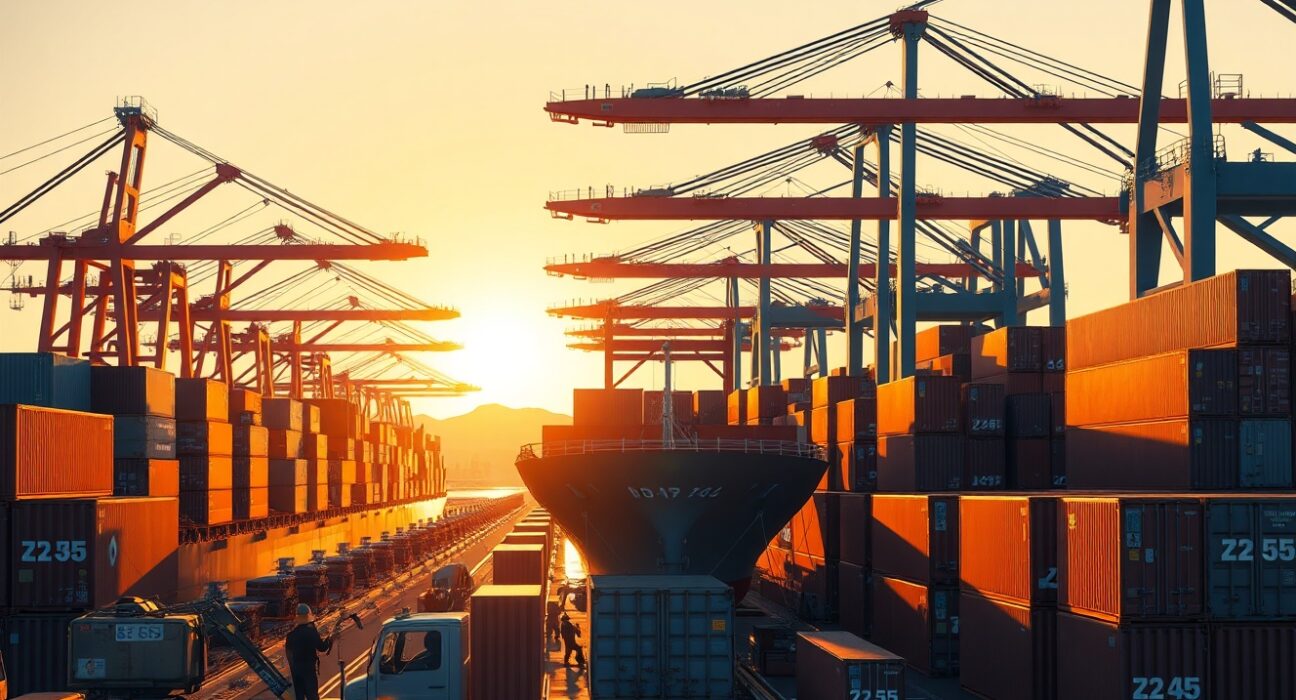
Australia’s trade balance delivered a significant positive surprise in February 2025, with the monthly surplus widening dramatically to 5,686 million Australian dollars. This substantial increase from previous months signals strengthening export performance amid evolving global economic conditions. The Australian Bureau of Statistics released these preliminary figures today, providing crucial insights into the nation’s economic trajectory.
Australia’s Trade Surplus Reaches 5,686M AUD in February
The February trade data reveals a remarkable expansion in Australia’s external balance. Specifically, the seasonally adjusted goods and services surplus increased by approximately 15% from January’s revised figure. This performance significantly exceeds market expectations and represents the strongest monthly result since mid-2024. Consequently, analysts are revising their projections for Australia’s current account position.
Several key factors contributed to this impressive outcome. Firstly, commodity exports maintained their strong performance throughout the month. Secondly, manufactured goods shipments showed unexpected resilience. Thirdly, services exports continued their post-pandemic recovery trajectory. Meanwhile, import growth remained relatively contained, further amplifying the surplus expansion.
Detailed Analysis of Export and Import Components
Breaking down the trade figures reveals important sectoral trends. Goods exports increased by 4.2% month-on-month, reaching their highest level in twelve months. Conversely, goods imports grew by a more modest 2.1%, creating the widening gap. Services trade showed particular strength, with education-related exports continuing their recovery and tourism receipts showing seasonal improvement.
Commodity Exports Drive Performance
Resource exports remained the cornerstone of Australia’s trade performance. Iron ore shipments maintained strong volumes despite some price volatility. Meanwhile, liquefied natural gas exports benefited from renewed Asian demand. Coal exports showed surprising resilience given global energy transition pressures. Agricultural exports also contributed positively, with wheat and beef shipments performing above seasonal averages.
The following table illustrates key export category performance:
| Export Category | Monthly Change | Key Drivers |
|---|---|---|
| Mineral Resources | +5.1% | Strong Asian industrial demand |
| Agricultural Products | +3.8% | Improved harvest conditions |
| Manufactured Goods | +2.9% | Automotive and machinery exports |
| Services | +4.7% | Education and tourism recovery |
Global Economic Context and Regional Trade Patterns
Australia’s trade performance occurs within a complex global environment. Regional trade agreements continue to influence export destinations. China remains Australia’s largest trading partner, accounting for approximately 30% of total exports. However, diversification efforts are showing results, with increased shipments to:
- Southeast Asian markets showing 12% year-on-year growth
- Indian subcontinent demonstrating particular strength in education services
- North American markets benefiting from manufactured goods exports
Global supply chain normalization has facilitated this export growth. Shipping costs have stabilized from pandemic-era peaks. Port operations have improved efficiency significantly. Furthermore, inventory rebuilding cycles in key markets have supported demand for Australian commodities.
Economic Implications and Policy Considerations
The substantial trade surplus carries multiple implications for Australia’s economy. Firstly, it provides support for the Australian dollar’s exchange rate. Secondly, it contributes positively to national income through terms of trade improvements. Thirdly, it strengthens the government’s fiscal position through increased royalty and tax revenues.
Monetary policy considerations are particularly relevant. The Reserve Bank of Australia monitors trade data closely when assessing economic conditions. A strong external sector can influence inflation dynamics through currency effects. Additionally, it affects employment in export-oriented industries across regional Australia.
Historical Perspective and Future Outlook
Examining historical context reveals the significance of February’s result. The current surplus represents the highest monthly figure since June 2024. It continues a trend of positive trade balances that began in early 2020. However, sustainability remains a key question for economists.
Several factors will influence future trade performance. Global economic growth projections suggest moderate demand for Australian exports. Commodity price volatility remains a persistent risk factor. Climate-related production challenges could affect agricultural exports. Geopolitical developments continue to influence trade relationships and market access.
Conclusion
Australia’s trade surplus expansion to 5,686 million AUD in February 2025 demonstrates the resilience of the nation’s export sectors. Strong commodity performance combined with services recovery created this impressive result. The data suggests positive momentum for Australia’s external accounts as global economic conditions evolve. Monitoring future months’ data will reveal whether this represents a temporary surge or sustainable trend. Ultimately, Australia’s trade surplus remains a crucial indicator of economic health and global competitiveness.
FAQs
Q1: What exactly does a trade surplus of 5,686M AUD mean for Australia?
A trade surplus means Australia exported more goods and services than it imported during February 2025, generating approximately 5.7 billion Australian dollars in net earnings from international trade. This strengthens the nation’s current account and supports economic growth.
Q2: Which export sectors contributed most to February’s trade surplus?
Mineral resources including iron ore, LNG, and coal were primary contributors, along with agricultural products and recovering services exports like education and tourism. Manufacturing exports also showed unexpected strength during the month.
Q3: How does this trade surplus compare to previous months and years?
The February 2025 surplus of 5,686M AUD represents approximately 15% growth from January’s revised figure and is the highest monthly result since June 2024. It continues Australia’s consistent run of trade surpluses that began in early 2020.
Q4: What impact does a large trade surplus have on the Australian economy?
A substantial trade surplus supports the Australian dollar’s exchange rate, contributes to national income through improved terms of trade, strengthens government revenues, and supports employment in export-oriented industries across the country.
Q5: Are there any risks to Australia maintaining this trade surplus?
Key risks include global economic slowdown reducing demand for exports, commodity price volatility, climate-related production challenges affecting agricultural output, and geopolitical developments that might influence trade relationships and market access.
Disclaimer: The information provided is not trading advice, Bitcoinworld.co.in holds no liability for any investments made based on the information provided on this page. We strongly recommend independent research and/or consultation with a qualified professional before making any investment decisions.