

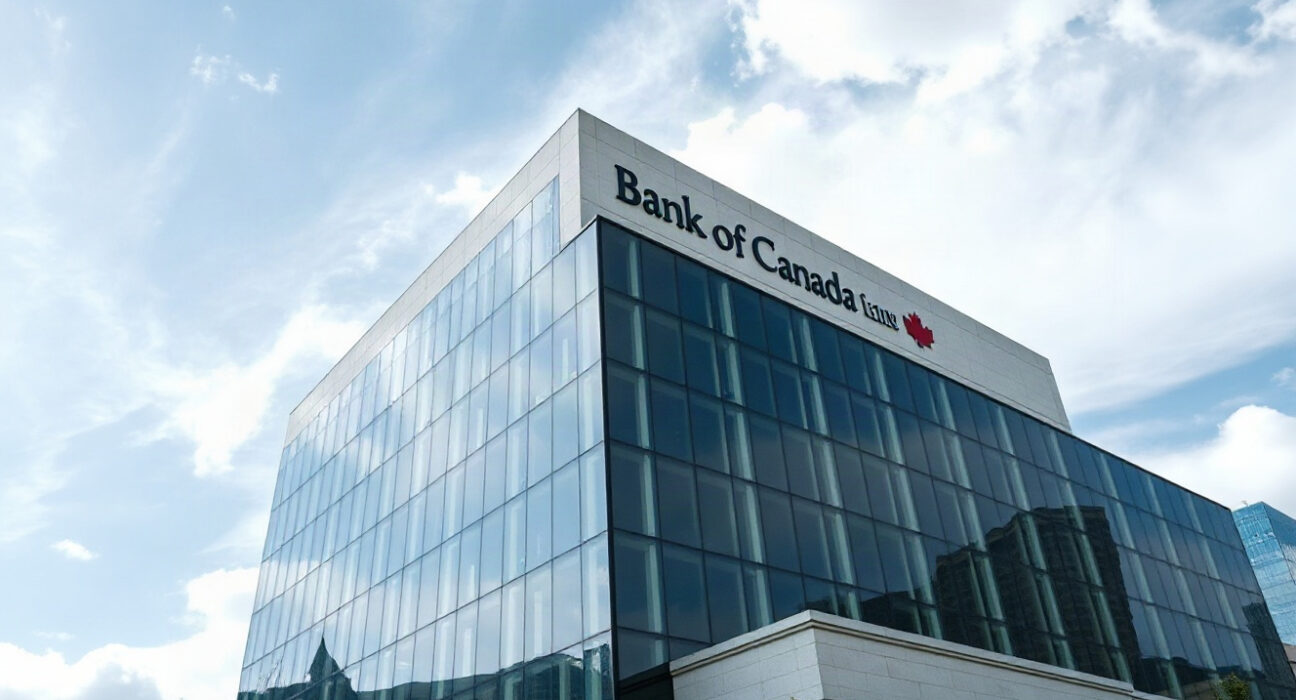
The Bank of Canada left its benchmark interest rate unchanged, according to a recent analysis from Rabobank, as the economic impact of US tariffs begins to weigh on growth and inflation. The decision to hold rates comes amid heightened trade tensions and uncertainty over the path of the Canadian economy.
Why the Bank of Canada is holding steady
Rabobank’s analysis indicates that the central bank is taking a cautious approach, pausing its monetary policy adjustments to assess the effects of new tariffs imposed by the United States. The tariffs, which target a range of Canadian goods, are expected to exert upward pressure on consumer prices while simultaneously dampening economic output. This dual threat creates a challenging environment for policymakers, who must balance the need to control inflation with supporting growth.
The decision to hold rates suggests that the Bank of Canada is waiting for clearer signals on how the trade dispute will evolve. Economists note that the full impact of tariffs often takes several quarters to materialize, making a wait-and-see approach prudent. By keeping rates unchanged, the central bank retains flexibility to respond to either rising inflation or a sharper economic slowdown, depending on which risk becomes more pronounced.
Tariffs: A double-edged sword for the Canadian economy
The tariffs in question are part of a broader trade conflict between the US and Canada, affecting industries such as steel, aluminum, and agriculture. For Canadian exporters, the tariffs mean higher costs and reduced competitiveness in the US market, which could lead to lower production and job losses in affected sectors. On the consumer side, tariffs on imported goods can push up prices, adding to inflationary pressures that the Bank of Canada has been working to contain.
Rabobank’s report highlights the complexity of the situation: while tariffs may increase inflation in the short term, they also pose a significant risk to economic growth. This stagflationary scenario—where inflation and unemployment rise simultaneously—is particularly difficult for central banks to manage. The Bank of Canada’s decision to hold rates reflects this uncertainty, as it avoids committing to a policy path that could prove counterproductive if the trade situation changes.
What this means for consumers and businesses
For Canadian households, the hold on interest rates means borrowing costs are unlikely to change in the immediate future. This provides some stability for variable-rate mortgage holders and other borrowers, but it also means that any future rate hikes—should they become necessary to combat inflation—will come as a surprise. Businesses, particularly those reliant on cross-border trade, face continued uncertainty as they navigate the tariff landscape. The central bank’s cautious stance offers little clarity on when conditions might improve, leaving many firms to make investment decisions in a fog.
Conclusion
The Bank of Canada’s decision to hold interest rates, as analyzed by Rabobank, underscores the difficult balancing act facing policymakers in the midst of a trade war. With tariffs threatening both growth and price stability, the central bank has opted for patience, waiting for more data before making its next move. For now, the Canadian economy remains in a holding pattern, with the path forward dependent on the evolution of US trade policy and its ripple effects.
FAQs
Q1: Why did the Bank of Canada hold interest rates?
The Bank of Canada held rates steady to assess the impact of US tariffs on inflation and economic growth. The tariffs create conflicting pressures, and the central bank is waiting for more data before adjusting policy.
Q2: How do US tariffs affect Canadian consumers?
US tariffs can raise prices on imported goods, contributing to inflation. They also harm Canadian exporters, potentially leading to job losses and slower economic growth, which affects consumers indirectly.
Q3: What is Rabobank’s role in this analysis?
Rabobank is a financial institution that provides economic research and analysis. Its report offers insights into the Bank of Canada’s decision, helping investors and the public understand the rationale behind the policy move.
Disclaimer: The information provided is not trading advice, Bitcoinworld.co.in holds no liability for any investments made based on the information provided on this page. We strongly recommend independent research and/or consultation with a qualified professional before making any investment decisions.
