

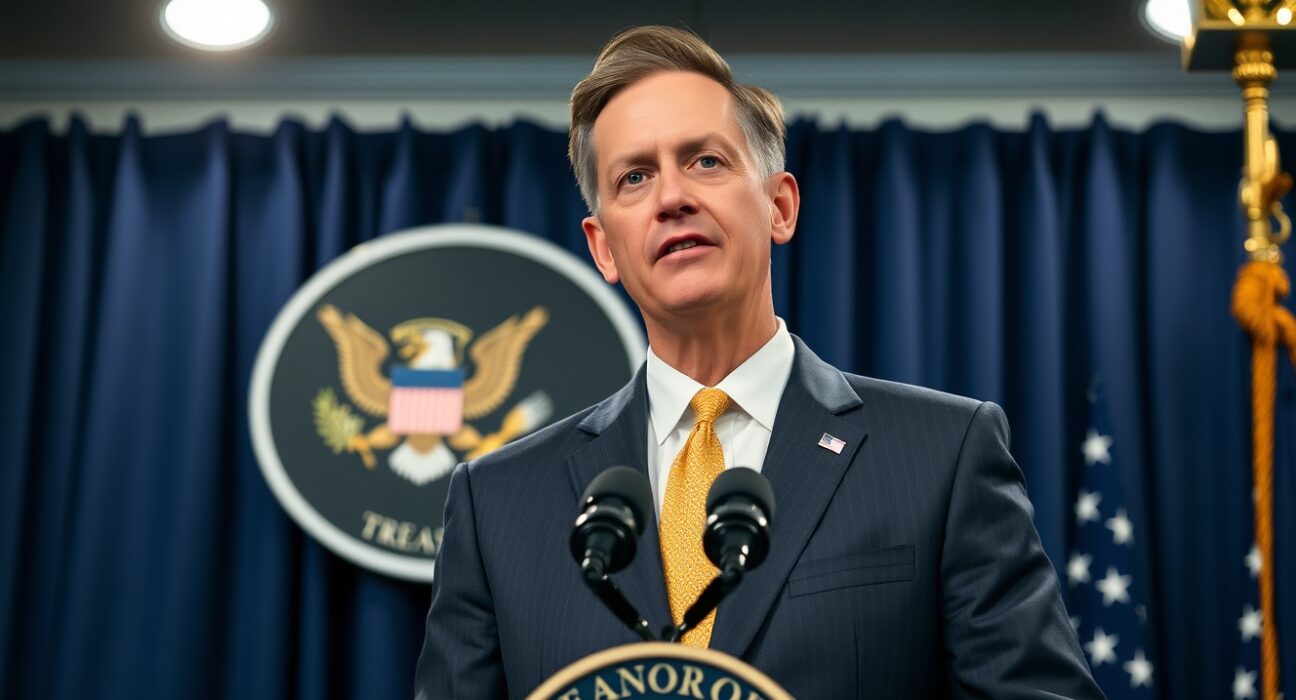
U.S. Treasury Secretary Scott Bessent stated on Tuesday that the conflict between the United States and Iran is currently paused, offering a rare diplomatic signal from the Trump administration regarding one of the most volatile geopolitical flashpoints in the Middle East.
Context of Bessent’s Statement
Speaking during a moderated discussion at the Economic Club of New York, Bessent said the administration’s approach to Iran has entered a holding pattern, though he did not elaborate on the duration or conditions of the pause. The remark comes amid ongoing tensions over Iran’s nuclear program, regional proxy activities, and the status of U.S. sanctions that have crippled Iran’s economy.
Bessent’s characterization of the conflict as ‘paused’ rather than resolved or escalated suggests a tactical recalibration rather than a permanent de-escalation. The Treasury Department oversees sanctions enforcement, making Bessent a central figure in the economic dimension of U.S.-Iran tensions.
Implications for Sanctions and Energy Markets
The pause in conflict rhetoric could signal a period of reduced escalation risk, which markets often interpret as bullish for risk assets and bearish for safe havens like gold and oil. However, analysts caution that without concrete policy changes, the statement carries limited weight.
Iranian oil exports have remained under heavy U.S. sanctions, contributing to tight global supply conditions. Any genuine easing of enforcement would likely pressure crude prices lower, but Bessent offered no indication that sanctions enforcement would change.
What This Means for Investors
For cryptocurrency and traditional finance markets, geopolitical risk premiums tied to Iran have been a persistent factor since the 2023 Hamas-Israel war and subsequent escalation of proxy conflicts. A sustained pause in U.S.-Iran tensions could reduce volatility in energy-linked assets and lower hedging demand for Bitcoin as a geopolitical hedge.
Still, experienced market observers note that diplomatic pauses have occurred before without lasting resolution. The U.S. and Iran have not engaged in direct nuclear negotiations since the collapse of the 2015 Joint Comprehensive Plan of Action (JCPOA) talks in 2022.
Reactions and Next Steps
No immediate reaction was issued from Tehran. Iran’s mission to the United Nations did not respond to requests for comment. The Biden administration had previously pursued indirect talks through European and Gulf intermediaries, but those channels have been largely inactive under the current U.S. administration.
Bessent’s comments may also reflect internal administration dynamics, as Treasury balances economic statecraft with the Pentagon’s more confrontational posture toward Iran’s military activities in the Red Sea and the Gulf of Oman.
Conclusion
Bessent’s statement that the conflict with Iran is paused provides a snapshot of the current diplomatic temperature, but does not signal a fundamental shift in U.S. policy. For readers tracking geopolitical risk, the pause appears tactical and temporary. The underlying drivers of tension — Iran’s nuclear ambitions, regional proxy networks, and the sanctions regime — remain unchanged. Markets and analysts will watch for corroborating signals from the State Department and the White House before adjusting their risk assessments.
FAQs
Q1: Did Bessent say the U.S. is ending sanctions on Iran?
No. Bessent described the conflict as paused but did not announce any changes to sanctions policy. Sanctions enforcement remains in effect.
Q2: Why does the Treasury Secretary comment on Iran?
The Treasury Department oversees sanctions, financial intelligence, and economic pressure campaigns. The Secretary often signals policy direction through public remarks.
Q3: Could this pause lead to a new nuclear deal?
Unlikely in the near term. No negotiations are currently active, and both sides remain far apart on key issues including uranium enrichment levels and sanctions relief scope.
Disclaimer: The information provided is not trading advice, Bitcoinworld.co.in holds no liability for any investments made based on the information provided on this page. We strongly recommend independent research and/or consultation with a qualified professional before making any investment decisions.
